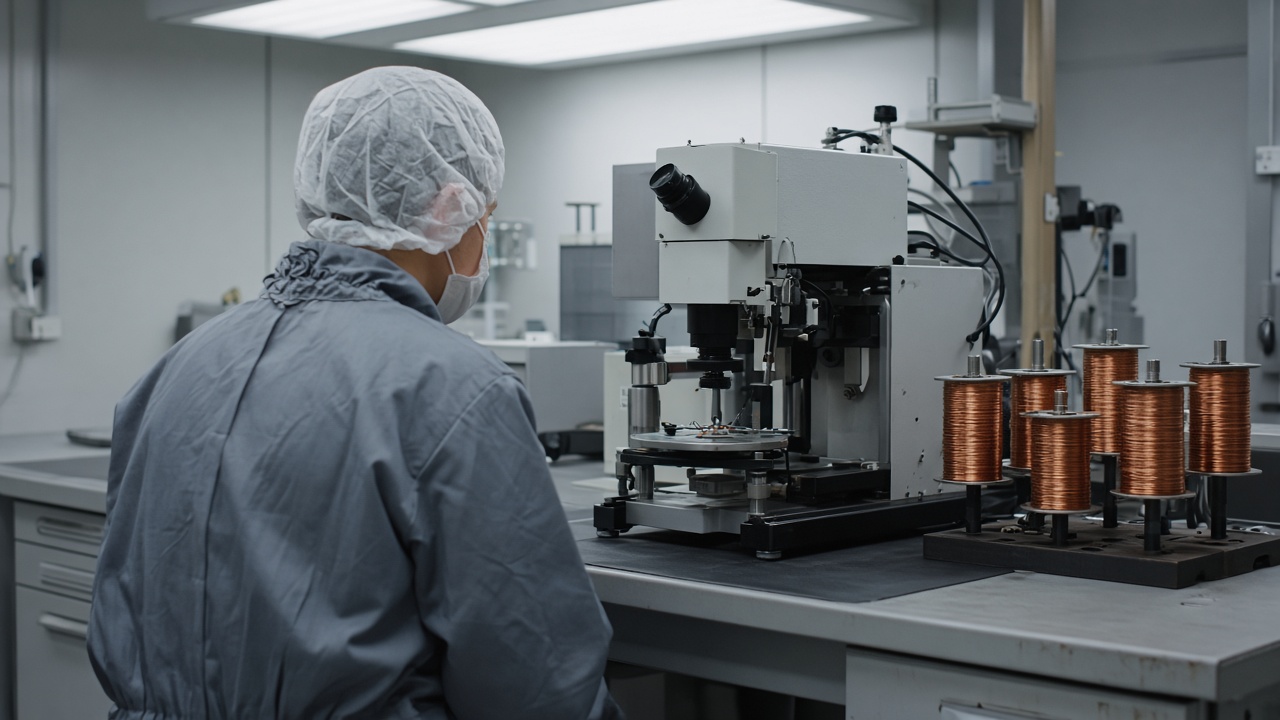
IIT Madras electrical engineering faculty approved a semiconductor packaging elective for final-year B.Tech and dual-degree students that stacks toward MeitY’s chip-lab credit pathway, pairing on-campus die-attach and wire-bond modules with mentors from Chennai-area outsourced semiconductor assembly and test partners, according to senate minutes academic affairs posted Monday and a syllabus draft the Centre for Innovation hub circulated.
What students do in lab
Modules cover substrate selection, flip-chip bump inspection, and thermal interface materials—skills OSAT lines need more than pure front-end wafer theory. Students log 40 supervised clean-room hours on tools donated through MeitY’s academic infrastructure grants; wafer lots are test-grade silicon, not production secrets. Grading mixes lab notebooks, yield calculations on dummy lots, and a capstone defect root-cause report.
MeitY credit pathway
MeitY’s India Semiconductor Mission lists packaging and testing as bottleneck skills for the ₹76,000 crore incentive scheme’s ecosystem, even when fabs grab headlines. Completing the elective with a B+ or higher earns a certificate counted toward MeitY’s summer chip-lab intensives—not a job guarantee, but priority in campus placement drives OSAT HR teams attend. AICTE’s model curriculum update last year nudged institutes to add packaging hours; IIT Madras is early to formalise credits.
Industry mentors
Two Chennai OSAT firms committed visiting faculty slots; names stay off public releases until MOUs clear legal. Mentors review capstone presentations and may offer internships tied to shift-friendly night lines—unusual for undergrads but common in Taiwan training models IIT Madras cites. Students must pass ESD safety exams before touching bonders; failures retake without credit penalty once.
Who gets seats
Forty seats per term via prerequisite GPAs in microelectronics courses; women students and candidates from non-IIT backgrounds entering through exchange programmes receive tie-break preference per institute diversity rules. Tuition is unchanged; consumables are subsidised by MeitY grants, not student lab fees.
Limits
The elective does not replace MTech clean-room theses; research faculty warned against overstating employability—packaging lines still hire diploma holders for operator roles. Fab-bound students should pair with front-end electives at IIT Bombay or IISc exchanges; Madras focuses backend assembly where Tamil Nadu already hosts suppliers serving global chipmakers.
Registration opens next week for the January term. For students, the actionable note is credit-bearing packaging hours with government-certified pathways—not a shortcut to silicon design stardom, but a recognised on-ramp into India’s OSAT hiring wave.
Library and safety overlap
IIT Madras library staff added packaging standards texts and JEDEC reference summaries to course reserves so students do not rely on pirated PDFs from Telegram groups. Safety officers run quarterly fire drills in the innovation hub wing where solvents are stored—packaging labs use lower chemical volumes than front-end fabs but still require spill kits.
Alumni working in Taiwan OSAT shops recorded guest lectures on night-shift yield meetings; videos stay on the intranet until MeitY clears export-control tags on tool close-ups. Undergraduates comparing placements said packaging electives now appear on résumés recruiters shortlist before generic VLSI MOOC certificates.