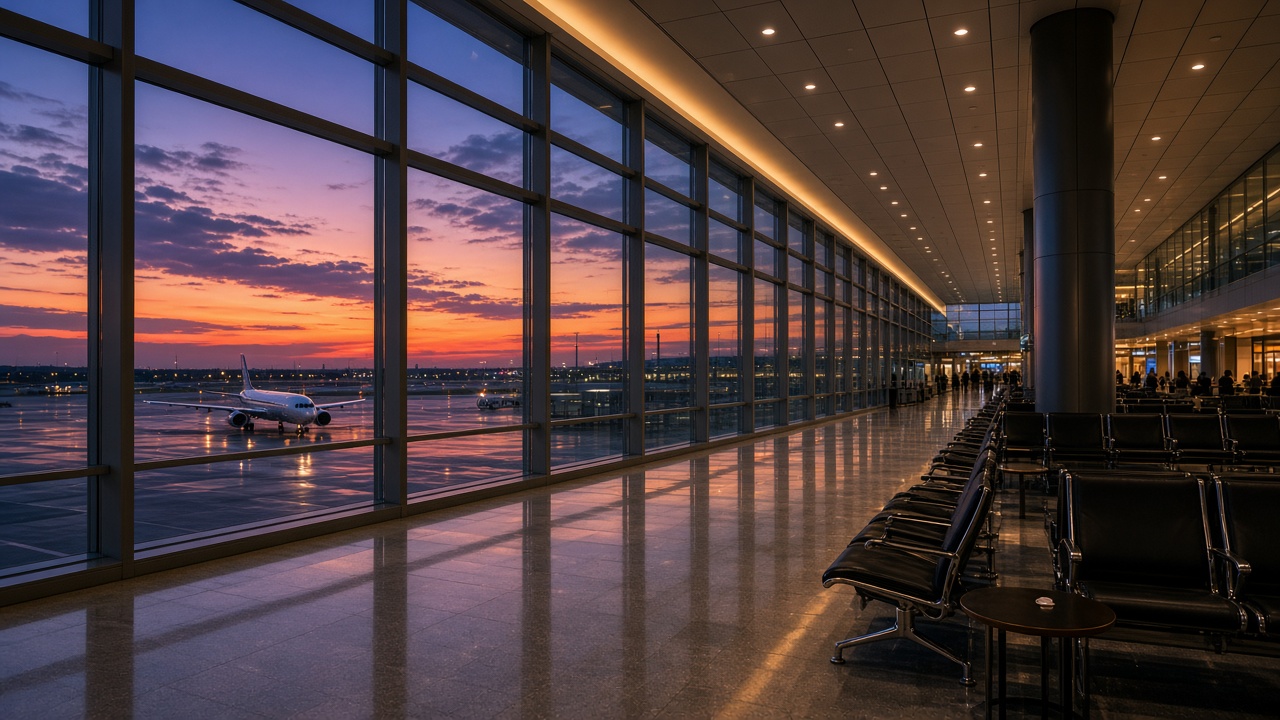
Mohsen Rezaei, secretary of Iran’s Supreme National Security Council, said Wednesday on state television that Washington has “four to five days” to meet Iran’s conditions, adding that until then there will be no negotiations and the Strait of Hormuz will not reopen; in the same interview he warned that if neighbors cooperate with U.S. efforts to ground Iranian airlines, their own airports may be unable to operate flights.
Deadline tied to Hormuz leverage
Rezaei framed the strait as non-negotiable leverage. “The Strait of Hormuz is our dignity. The Strait of Hormuz is our power,” he said, linking any reopening to American acceptance of terms Tehran has circulated through mediators during the UN General Assembly week in New York. He did not read out the full list on air, but Iranian officials have previously demanded an end to U.S. strikes, relief from naval blockade pressure, release of frozen assets, and guarantees for safe shipping routes discussed with Oman.
The remarks land after months in which Iran has effectively choked commercial traffic through Hormuz while the United States maintains pressure on southern ports. Parliament Speaker Mohammad Bagher Ghalibaf and other leaders have echoed that the waterway stays closed until Washington fulfills commitments, keeping energy markets on edge even as diplomats shuttle between hotel suites near the East River.
Airport warning as sanctions bite
Separately, Rezaei turned to aviation. U.S. Treasury Secretary Scott Bessent said Monday that Iranian carriers would be shut out of international operations from September 23 unless foreign airports and service providers risked secondary sanctions. By Wednesday, Iranian civil aviation authorities reported cancellations to Baghdad and Muscat after those hubs stopped accepting flights, while Azerbaijan suspended Iranian airline services and travelers crowded land crossings toward Turkey and Armenia.
Rezaei did not specify how Iran would disrupt foreign airports, but his language—“your airports will have no flights”—was aimed at Gulf and Caucasus states weighing compliance. Al Jazeera’s live coverage noted the threat alongside ongoing UN diplomacy, underscoring how civilian aviation has become a second front in the economic war parallel to Hormuz closures.
Araghchi, mediators, and New York messaging
Rezaei said Foreign Minister Abbas Araghchi was tasked with conveying the same conditions through intermediaries during the General Assembly, continuing message traffic that Iranian spokesmen said included Qatari facilitation. State media reported contact between Iranian and U.S. delegations on the sidelines of the summit, while hard-line outlets questioned whether Araghchi exceeded his mandate by meeting U.S. envoy Steve Witkoff—an internal dispute that shows how airport threats and Hormuz deadlines are wrapped in factional politics in Tehran.
Foreign Ministry spokesman Esmaeil Baghaei said another round of clarifications occurred through the Qatari mediator, listing demands that include ending “economic terrorism” and accepting an Oman-coordinated safe corridor. None of that produced a public American yes on Wednesday; instead, President Donald Trump told reporters he had a “very good” meeting with Iranian officials, without detailing concessions.
What markets and travelers watch
Reuters context from the day highlighted uneven enforcement: some Iranian flights to Turkey, China, and Najaf continued even as Baghdad’s international airport closed to Iranian carriers. Passengers who once transited Dubai or Istanbul now queue at border posts, a human cost Rezaei’s airport rhetoric threatens to widen if regional hubs choose U.S. compliance over Iranian overflight fees.
For the security desk, the fresh numbers are temporal and coercive: a four-to-five-day U.S. deadline, a Hormuz stay-closed pledge, and an airport disruption warning paired with Araghchi’s mediator track in New York. Whether Tehran can actually idle foreign runways remains unproven; the immediate effect is to raise the price of siding with Bessent’s aviation sanctions at the exact moment UN cameras are trained on both delegations.