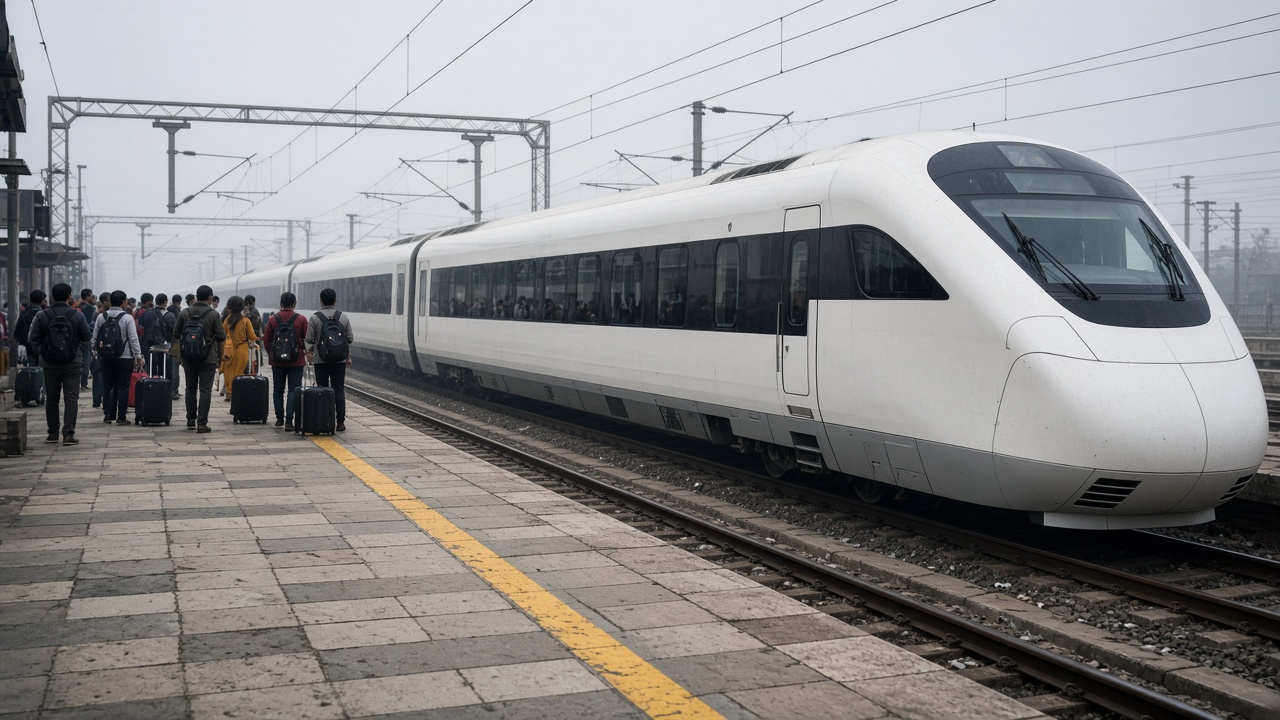
Indian Railway Catering and Tourism Corporation turned on tatkal quota push alerts for Vande Bharat Express trains serving the Delhi–Varanasi corridor this week, letting registered users watch specific train numbers and receive notifications when AC chair-car tatkal buckets open, according to release notes in the IRCTC app update changelog and help-desk scripts station agents in New Delhi shared for Navratri pilgrims.
How alerts work
Users pick train number, class, and date window; the app pings when tatkal inventory hits the central reservation system, not when third-party sites guess openings from historical timing. Alerts cover 22435/22436 and paired return services that skip intermediate stops on select days. Wait-list status is excluded—only confirmed tatkal availability triggers pings.
Why Vande Bharat and Varanasi
Navratri sends Uttar Pradesh and Delhi families toward Kashi Vishwanath Corridor visits; Vande Bharat’s 8-hour block beats overnight mail trains for short festival trips. Last year’s tatkal wars crashed unofficial alert bots; IRCTC’s native feature aims to cut credential-sharing scams that harvested IRCTC passwords.
Booking realities
Alerts do not auto-book; users still compete at 10:00 IST tatkal opening. Payment must be pre-saved under UPI or card vault rules IRCTC tightened in August. Dynamic pricing can jump fares within minutes of opening; alerts only signal bucket existence, not price caps. Senior citizens and concession quotas follow separate timers—not covered by this release.
Third-party apps and station tips
Scraper apps may still sell “priority” notifications; railways warn they violate terms and may steal logins. At New Delhi platform 16, RPF staff expect longer queues on Friday mornings before Navratri weekends; arrive 45 minutes before departure for biometric checks introduced on premium trains. Varanasi Cantt adds exit marshals toward the corridor shuttle—plan ground time after alighting.
What could fail
Push notifications depend on Google and Apple delivery; flaky data on the Rajdhani approach track can delay pings seconds behind desktop users. IRCTC said it will monitor server load and pause alerts if CRS latency spikes—rare, but possible on the first Navratri tatkal day.
For pilgrims, the practical gain is a sanctioned watch on official inventory instead of paying middlemen for tatkal guesses—still no substitute for fingers on the pay button at 10:00, but fewer password leaks to unofficial alert farms.
Corridor capacity context
Railway Board data show Delhi–Varanasi Vande Bharat services ran above 95 percent occupancy on pre-Navratri weekends last year; extra coaches are not slated until the winter timetable. Alerts therefore help allocate attention, not create seats—pilgrims should list alternate dates in the app watch list.
Kashi corridor hotels asked IRCTC to stagger arrival peaks; the train’s fixed morning Varanasi arrival still clusters auto queues at Cantt. IRCTC help desks said users can set up to three concurrent watches per account to cover return legs without paying for third-party “bot” tiers.