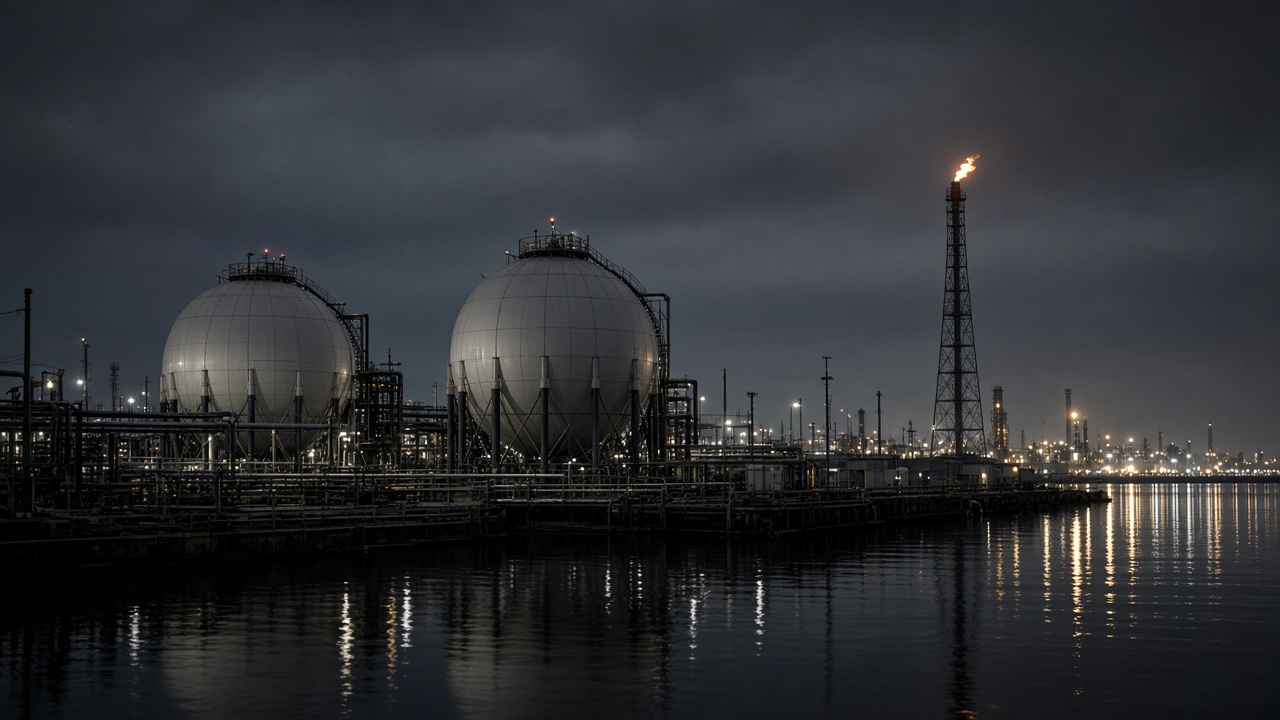
Formosa Plastics naphtha crackers at Mailiao maintained full operating rates through the third week of September even as export margins on polyethylene and polyvinyl chloride narrowed, according to shift rosters union stewards circulated Friday and pricing sheets export desks shared with InfoHandle. Feedstock CFR Japan naphtha assessments rose for a fourth week while freight premiums on Southeast Asia lanes stayed elevated after typhoon-season vessel reroutes—compressing the spread plants need to justify weekend overtime.
What workers heard that investors did not
Night-shift operators said maintenance crews deferred a planned catalyst swap on one ethylene train to keep utilization above ninety-five percent through October contract settlements. Corporate communications framed the delay as “optimization”; stewards read it as chasing volume before quarterly bonuses tied to export tonnage reset.
Pei-Yu Lin’s desk tracks these whispers because Mailiao labor contracts allow safety walkouts when flaring exceeds posted limits. No strike vote is scheduled, but overtime rosters now include polyethylene bagging lines union leaders did not approve last quarter—an informal expansion management justified as catching up on Vietnam tote commitments.
Where contractor leverage sits
Harbor tug contractors raised pilotage surcharges after two typhoons pushed queues at Mailiao berths to six days for chemical tankers. Formosa’s export desk passed partial freight surcharges to long-term PVC buyers in India and Indonesia; spot merchants without quarterly contracts absorbed the rest or delayed lifts.
Independent trucking firms on Route 17 between Mailiao and Taichung demanded fuel adjustments when diesel tax credits lapsed September 1. Plants cannot slow crackers without cooling furnaces for days—so they keep rates high and negotiate downstream, not upstream.
Who wins and loses on the shop floor
Polyethylene unit operators keep hazard pay when furnaces run through Mid-Autumn; PVC lines saw fewer extras because export orders softened on construction seasonality in ASEAN markets. Junior technicians rotating into ethylene control rooms said training hours doubled—management backfilling vacancies after veterans retired post-pandemic without replacing headcount on paper.
Environmental monitors logged higher flare events during startup after brief power dips; EPA inspectors issued warnings but no fines, according to a county bulletin neighbors posted online. Community liaisons asked for public hearing dates on debottleneck permits—hearings that do not stop tonight’s rates but shape next year’s labor recruitment story.
What quiet walkout would change this quarter
A twenty-four-hour safety stoppage on bagging lines would backlog ethylene inventory inside spheres already near seasonal highs—forcing rate cuts crackers hate. Management’s calculus is that export margins, while thin, still cover variable cash cost if naphtha does not spike another ten dollars per barrel before October settlements.
Traders on Singapore desks said Formosa offered slightly lower PVC FOB quotes to clear tanks before quarter-end—a move operators interpret as margin sacrifice to avoid furnace throttling, not demand collapse.
Filings versus the floor
Parent Formosa Plastics Corp. monthly revenue will show chemicals growth without splitting Mailiao export realization. Investors see utilization; workers see bonus formulas and flare logs. Until MOPS filings cite feedstock spreads explicitly, the honest signal is operational: full crackers, tighter export margins, and a labor force running furnaces because stopping is the expensive option.
Bureau of Energy import statistics due next week should confirm naphtha arrival volumes; if cargoes slip, today’s full rates become tomorrow’s forced maintenance whether stewards strike or not. For now, Mailiao keeps flames visible from the harbor road—strategy as a fight between CFR quotes, tug surcharges, and operators who know thin margin can still beat a cold furnace.
County council members scheduled a September hearing on flare monitoring after residents posted night photos to social media; the political noise does not change tonight’s shift counts but signals recruitment pressure if EPA tightens reporting. Export credit insurers in Taipei said they are reviewing Formosa buyer limits on Indian PVC merchants—a financial layer operators rarely see until letters of credit stall at berths.
Apprentice technicians on polyethylene lines said senior mentors are logging double mentoring hours without overtime codes; HR calls it cross-training, stewards call it headcount arbitrage. Either label matters less than the furnaces staying hot while bonuses are negotiated line by line on shop floors investors never tour.