A Melbourne man accused of acting as a principal online propagandist for the Islamic State group appeared before counter-terrorism investigators Wednesday after a border inspection of his electronics snowballed into a multi-agency probe spanning nearly five years of alleged file sharing.
What police alleged in Carlton
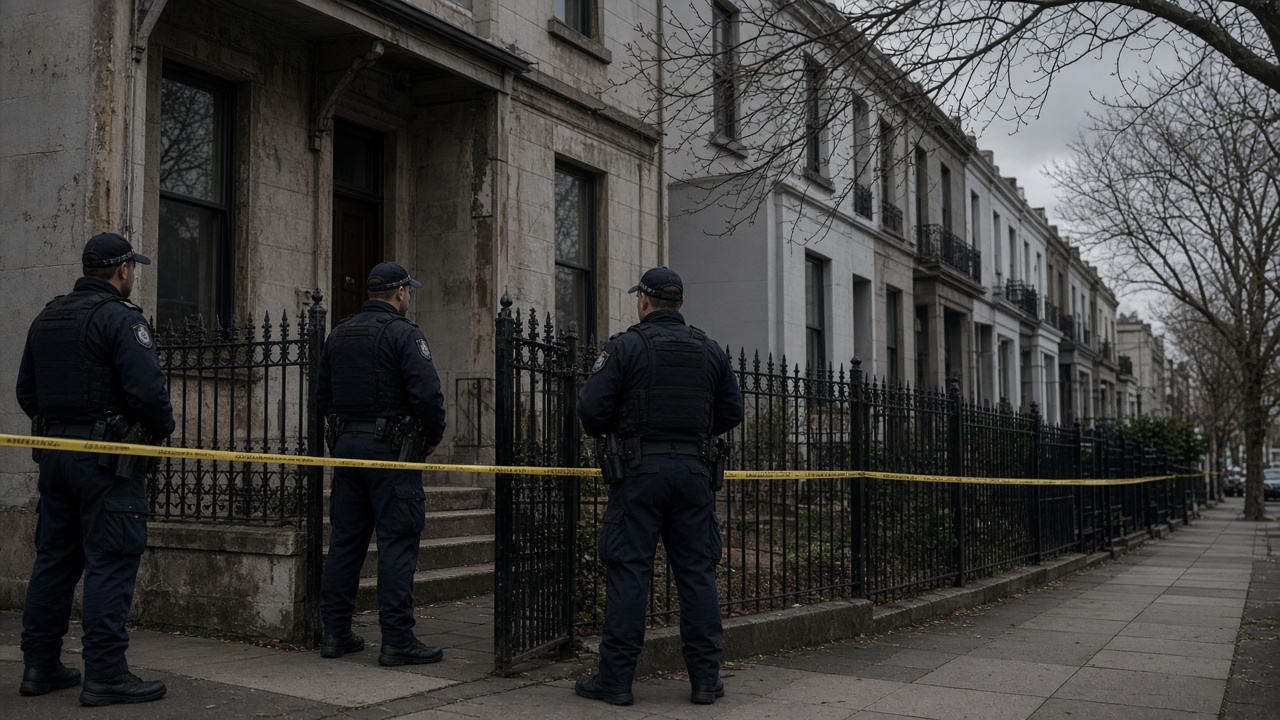
The Australian Federal Police said the Victoria Joint Counter Terrorism Team, which includes AFP, Victoria Police and ASIO, arrested the 65-year-old during a raid on a Carlton home Wednesday morning. Acting Assistant Commissioner Paula Hudson told reporters the man would face federal charges including membership of a terrorist organisation, possessing violent extremist material and using a carriage service to cause offence.
According to an AFP media release, border officers initially seized devices as the man left Melbourne on an international flight. A forensic review allegedly uncovered roughly 10,000 files of ISIS propaganda—including videos, images and documents depicting executions and battlefield scenes—shared on an encrypted messaging platform between November 2015 and July 2020.
Scale of the propaganda role
Hudson said analysts ranked the suspect as one of the principal distributors of ISIS material within the group he frequented online, not merely a passive downloader. Police allege he pledged allegiance to the terrorist organisation and used Australian internet infrastructure to radicalize others, a combination that triggers some of the Commonwealth’s most serious terrorism statutes.
ABC News reported that investigators portrayed the case as prevention-focused: identifying a node that could inspire lone actors even years after ISIS lost territorial control in Iraq and Syria.
Legal exposure and process
Charges include one count of membership of a terrorist organisation under section 102.3 of the Criminal Code, three counts of using a carriage service to menace or harass, and one count of possessing violent extremist material obtained via a carriage service. Convictions on membership alone can carry lengthy prison terms, with additional penalties for each distribution count.
The man was expected to face court in Melbourne later Wednesday; police did not release his name in public statements, consistent with usual practice before first appearances.
Why the border stop mattered
For the security desk, the operational lesson is procedural: a routine outbound screening—not an anonymous tip—opened a device examination that allegedly revealed a half-decade archive of violent content. With Parliament debating expanded social-media duty-of-care rules separately, this arrest underscores how law-enforcement agencies still rely on border and telecommunications powers to map extremist networks inside Australia’s cities.