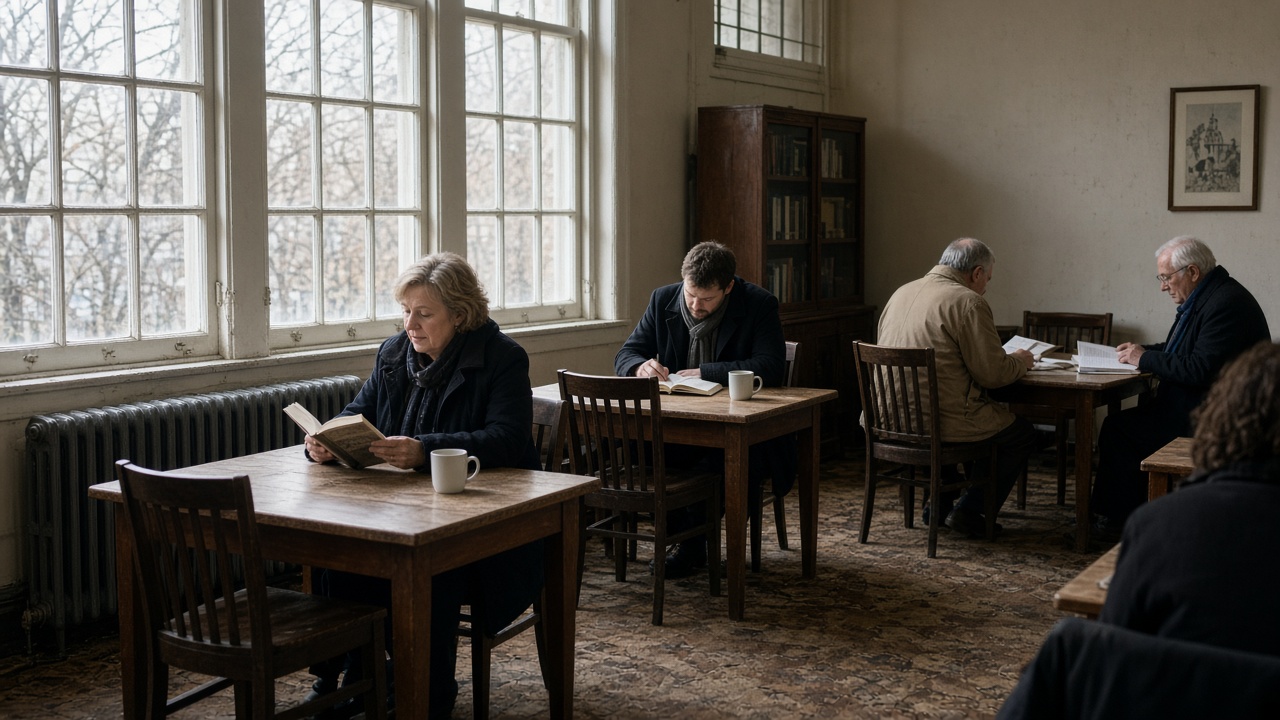
National Energy Action launched a searchable warm-space registry Tuesday so households can find libraries, faith halls, and council buildings offering heated rooms during daytime hours, timed one week before Ofgem’s October price-cap reset changes default tariff unit rates and standing charges for millions of direct-debit customers, according to the charity’s site update and briefing for local authority energy officers reviewed by InfoHandle. Registration is voluntary—venues submit opening hours, accessibility steps, and whether hot drinks are free or pay-as-you-go—then appear on a postcode map NEA maintains through winter.
What October tariff means at the kitchen table
The cap sets maximum unit prices suppliers can charge on default tariffs; it is not a total bill limit. When October tables publish, households on standard variable rates see new pence-per-kWh figures from 1 October unless a fixed deal ends later. NEA’s push is operational: read meters on 30 September, submit readings before suppliers estimate, and know where to sit warm if heating stays off until payday.
Who does the work
Council leisure teams upload venues; volunteers staff phone lines NEA routes to Citizens Advice for complex debt cases. Libraries already run summer cool spaces; winter mode adds blanket stocks and safeguarding training. The labour is front-desk sign-ins and kettle rotas, not policy tweets—unpaid hours that determine whether a registry entry is real or a PDF.
Costs and limits
Heating a village hall for six hours can add hundreds of pounds weekly to electricity bills venues must reconcile against grants that arrive late. NEA lists funding pots but does not underwrite fuel; some sites charge nominal café prices to cover gas. Mobile data matters—lookup works on basic smartphones, but rural postcodes may show only one site within bus distance.
Practical steps this week
Photograph your meter display before October rates apply; screenshot your current unit rate for comparison when the email arrives. If you manage a community building, register hours honestly—empty pins erode trust. If you rely on warm spaces, pack ID only where children’s activities require it; most reading rooms simply ask you to sign the fire register.
After the cap headlines
Energy charities expect media focus on average annual figures that mask prepayment meter households and electric-only flats. NEA said it will refresh the map when venues close for refurbishment—check the site weekly rather than saving a autumn PDF. Government cost-of-living hubs still point to existing discounts; the registry fills the gap between benefit eligibility and keeping one room warm enough to read a school permission slip.
School gates and shift workers
Parents waiting after 3 p.m. pickup sometimes move to library warm rooms because home heating stays off until the tariff email is understood—NEA asks schools to link to the map in newsletters without implying council endorsement of every listed site. Night-shift workers use daytime warm spaces before evening shifts; venues that close at 4 p.m. leave that cohort out, and the charity said it will badge “early evening” hours where volunteers extend stays.