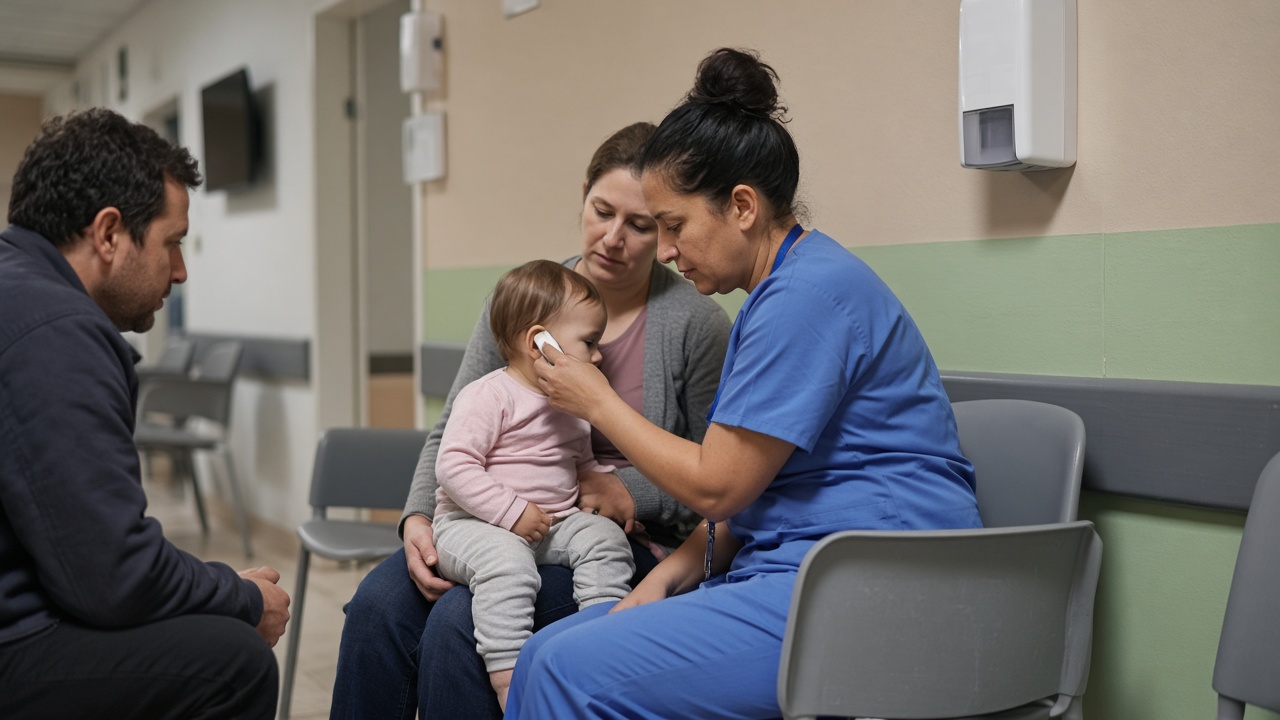
Taipei pediatric wards reported enterovirus-related admissions pushing bed occupancy above 85 percent after Mid-Autumn holiday playgroups reconvened and mixed toddlers from multiple daycares, according to bed-management logs three municipal hospitals shared with infection-control staff Monday and summaries the Taiwan Centers for Disease Control posted for clinicians. The Ministry of Health and Welfare asked licensed daycares to screen fevers at drop-off and separate siblings attending different centers—not a new regulation, but a seasonal reminder when hand-foot-and-mouth disease and other enteroviruses spike in humid September classrooms.
What clinicians are seeing
Most cases present with oral ulcers, palm-and-sole rashes, and low-grade fever; a smaller fraction develop myocarditis or encephalitis, especially with enterovirus A71 in unvaccinated toddlers. ER triage nurses in Songshan and Wanhua districts said weekend volumes doubled after grandparents hosted “reunion playdates” where cousins shared water bottles and unlabeled sippy cups. Negative rapid influenza tests do not rule out enterovirus; PCR panels take longer but guide isolation decisions when wards must cohort patients by pathogen.
What the evidence supports
MOHW briefing slides cite surveillance showing enterovirus waves peak roughly four to six weeks after school terms resume in northern Taiwan—not because the virus is new, but because contact networks widen when holiday travel reconnects cousins from Taichung, Hsinchu, and overseas visits. The inactivated EV71 vaccine remains on the routine schedule for eligible infants; it reduces severe A71 outcomes but does not prevent every serotype parents hear about in Line parent groups. Absolute risk matters: even in busy seasons, most infected children recover at home with hydration and pain control; hospitalization clusters still represent a minority of community cases.
Daycare and school responses
Taipei’s education bureau allows temporary class closures when two or more unrelated children in a room develop compatible rashes within 48 hours, but enforcement varies by district auditors’ visit schedules. Some private playgroups operating in community clubhouses lack childcare licenses; they are not on the official closure list when outbreaks trace back to weekend birthday parties. MOHW said inspectors will prioritize venues that advertised holiday “enrichment camps” without nurse staffing.
Who gets squeezed
Dual-income parents lose sick leave when both spouses’ employers demand paper doctor notes for enterovirus that physicians often manage by phone. Migrant domestic caregivers may lack NHI cards at the clinic nearest the ward with isolation beds, forcing transfers across town. NICU graduates and children with congenital heart disease need earlier reviews—pediatric societies flagged delayed follow-ups when outpatient clinics shortened hours for Mid-Autumn.
What readers should not do
Do not dose adult cold medicines to toddlers; pharmacists reported calls after social posts suggested aspirin alternatives that are unsafe at pediatric weights. Do not break isolation early because rashes faded while oral ulcers remain—shedding can continue. If a child shows persistent vomiting, lethargy, or chest pain, seek emergency care; myocarditis can progress faster than viral rashes suggest.
Hospital websites will post morning pediatric ER wait estimates. For caregivers, the practical checklist is fever logs before playdates, labeled bottles, and keeping febrile children home even when a reunion photo feels obligatory—because once isolation beds fill, the bottleneck is nursing ratios, not lack of acetaminophen on pharmacy shelves.