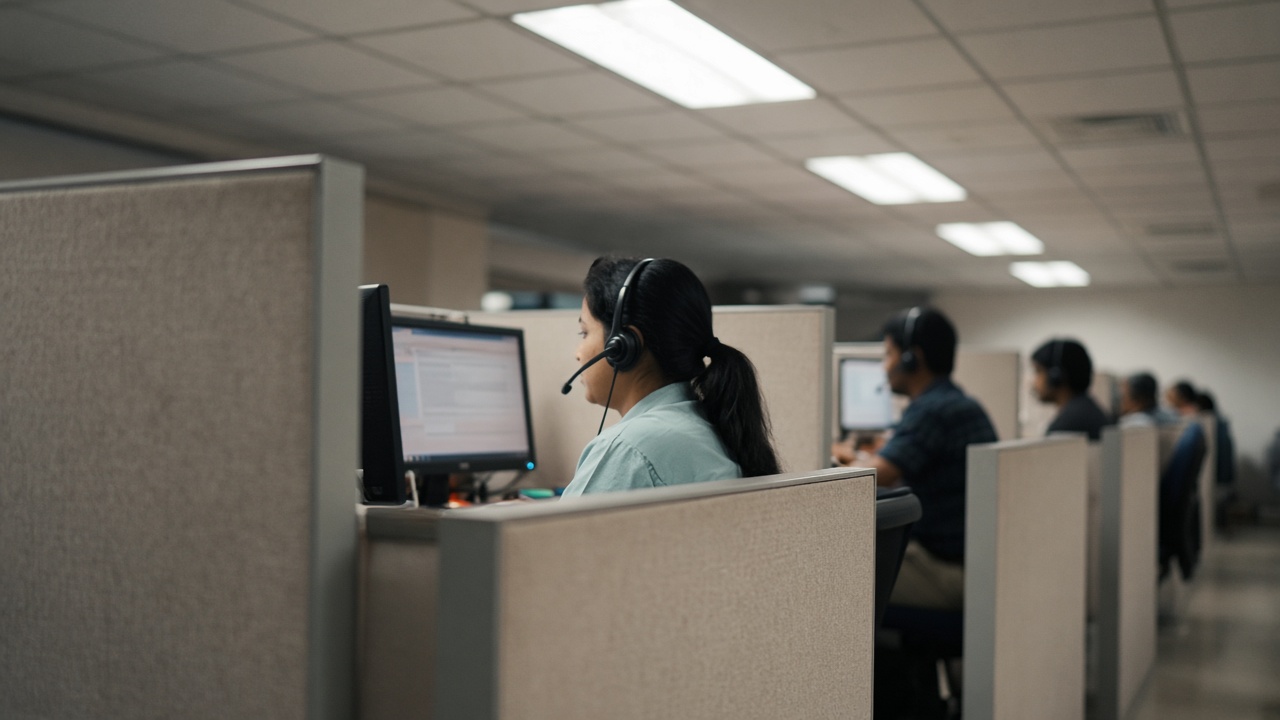
Sarvam AI Pvt. Ltd. released a commercial Indic voice application programming interface aimed at Bengaluru business-process outsourcing pilots that need automatic speech recognition and synthesis across Kannada, Telugu, and Hindi in single utterances—code-switching patterns common in Karnataka utility and fintech collections desks. Early adopters include a power discom chatbot vendor and a non-banking finance company testing outbound payment reminders, Sarvam said in a developer blog timed to NASSCOM’s autumn BPM summit.
What the API ships
Developers receive streaming speech-to-text with punctuation tuned for Indian accents, neural text-to-speech voices per language, and a lightweight language-identification front end that tags when callers hop between Kannada and English mid-sentence. Sarvam hosts inference in Indian data centres and publishes latency service-level objectives under 300 milliseconds for recognition on standard agent headsets—a threshold pilot managers said matters more than benchmark word-error rates on clean lab audio.
Pricing follows per-minute metering with volume discounts for call centres above five million monthly minutes; sandbox keys include 1,000 free minutes and sample Postman collections integrating with Genesys and Cisco contact-center middleware popular in Bengaluru tech parks.
Why Bengaluru call centres
Karnataka hosts thousands of domestic-facing agents serving banks, telcos, and state utilities that must speak local languages credibly, not only English-lite scripts written in Gurgaon. Legacy vendors forced separate language models per call flow; Sarvam’s unified Indic stack reduces branching logic when customers answer in mixed Kannada-English.
MeitY’s Bhashini mission open-sourced datasets Sarvam partially trained on, but Sarvam’s commercial API adds proprietary augmentation for noisy call-floor backgrounds and mobile network codecs. Competitors including Gnani.ai and Reverie pitch similar APIs; Sarvam bets its foundation-model research team and Bangalore proximity to pilots win bake-offs.
Compliance and TRAI context
Telecom Regulatory Authority of India rules on commercial communication and do-not-disturb registries still apply; voice bots must identify themselves and honor opt-outs. Sarvam documented compliance hooks—automatic pause when callers say “registered DND”—but legal liability stays with enterprises deploying bots. Recording consent banners must be updated to mention AI transcription; a Karnataka discom pilot lawyer flagged this as a gating item before production traffic.
Data localization expectations mean audio snippets for quality assurance should remain in India; Sarvam offers customer-managed encryption keys and optional on-premise edge boxes for banks that refuse even transient cloud audio.
Technical limits pilots are testing
Noisy open-plan floors and cheap USB headsets degrade accuracy; Sarvam ships noise-suppression models but recommends directional mics for production. Telugu-Kannada confusion persists on short function words; Sarvam’s roadmap lists dialect packs for North Karnataka and Rayalaseema variants requested by two pilots.
Outbound campaigns hitting rural mobile networks see packet loss; developers buffer audio client-side—a pattern Sarvam sample apps demonstrate but contact-center IT teams must harden for peak evening call spikes after office hours.
Business stakes for Sarvam
Sarvam raised venture funding to compete with global speech APIs from Microsoft and Google that dominate English-centric centres. Domestic voice minutes are a defensible niche if word-error rates beat open models fine-tuned in-house by BPM giants Infosys and Wipro for their own platforms. Revenue from call-centre APIs also funds Sarvam’s broader Indic LLM roadmap, tying speech margins to sovereign model ambitions MeitY promotes.
Analysts caution that enterprises may insource once open-weight speech models mature; Sarvam must keep integration ergonomics and support response times ahead of DIY teams.
What pilots report this month
The discom bot pilot cut average handle time on balance-inquiry calls by a double-digit percentage in staging, according to a product manager authorized on background. The NBFC outbound trial is smaller—10,000 calls—to test compliance scripting before festival-season delinquency spikes. If both graduate, Sarvam plans Chennai and Hyderabad roadshows for Tamil and Telugu-heavy centres.
For Bengaluru’s domestic BPM corridor, the test is whether an Indic-native voice API finally matches how Indians actually speak on the phone—not how benchmark datasets wish they would.
Developer experience
Sarvam’s documentation includes Grafana dashboards for recognition confidence histograms agents can use to coach pronunciation of product names transliterated across scripts. Weekend hackathons at Electronic City incubators this month featured sample apps tying voice intents to UPI collect flows—a sign integrators want speech layers on top of payments APIs already localized for India.
Support engineers staff an Bangalore office escalation line during IST business hours; global clients with follow-the-sun operations asked for handoffs to Sarvam’s email queue overnight—a gap the startup said it will close if enterprise contracts sign before December.