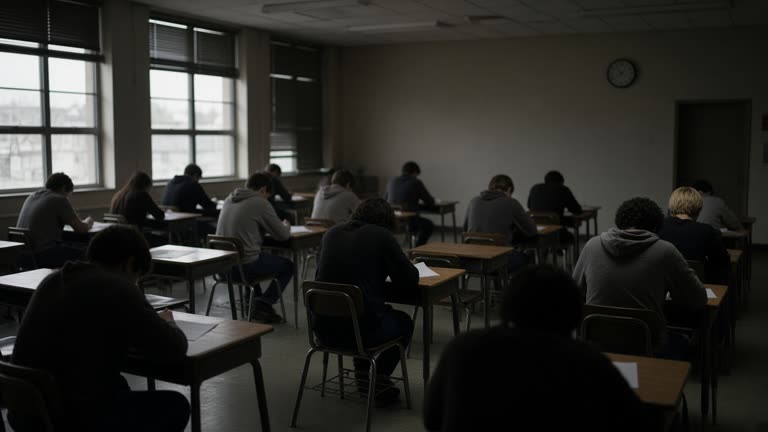
Tuesday is the last structured revision day many Primary Six pupils will see before English papers kick off the written PSLE season. Schools used the final timetable day to run comprehension drills, oral reminders, and logistics briefings ahead of Thursday’s back-to-back English Language components—the first written papers in the 2026 schedule published by the Singapore Examinations and Assessment Board.
What Thursday’s papers look like
According to SEAB’s 2026 PSLE timetable, English Language Paper 1 runs 8.15am to 9.25am (one hour ten minutes), followed by Paper 2 from 10.30am to 12.20pm (one hour fifty minutes). Foundation English candidates sit Paper 1 at the same morning slot, with Foundation Paper 2 from 10.30am to 11.30am. Listening comprehension already took place on 15 September; orals were held in August. Written papers continue through 30 September with mathematics, mother tongue, and science to follow.
That spacing matters for fatigue management. Paper 2’s longer sit tests synthesis and editing under time pressure—skills teachers often rehearse with timed segments rather than full mocks on the eve of exams.
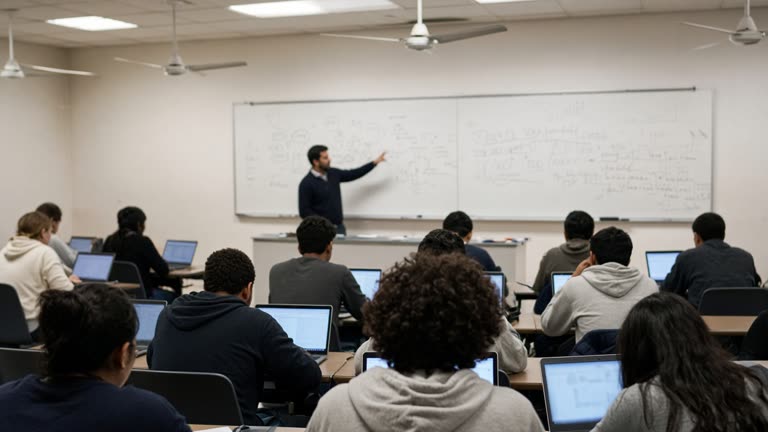
How schools used revision day
Principals contacted by education desk reporters described a lighter touch than mid-year exams: no new content, emphasis on sleep, transport plans, and what to bring. MOE’s standing guidance discourages cramming the night before high-stakes papers; instead, schools circulated checklists—NRIC or student pass, approved stationery, transparent water bottles, and reporting times for gate security.
Private tuition centres, which boomed during the September weekend, were asked not to schedule mock papers on Tuesday evening; several chains shifted slots to afternoon blocks so pupils could return home for early dinners. For pupils with access arrangements, case managers confirmed separate rooms and extra time flags in SEAB’s registration system.
What parents can still control
Confirm Thursday morning transport against school reporting times—some campuses open gates only 30 minutes before Paper 1. Pack snacks for the break between papers if the school allows them; otherwise rely on canteen arrangements schools announce today. Avoid introducing new assessment books; revisit error logs from prelim papers instead.
Results release remains tentatively 24–25 November per SEAB’s candidate calendar, with marking scheduled 12–14 October. Mathematics papers follow on 25 September, then mother tongue and science in the final week of the month—so English sets the tone for stamina as much as for scores.
Teachers asked parents to keep Tuesday nights quiet: no surprise tuition tests, no late-night messaging groups dissecting prelim marks. For pupils, the goal is sleep and a familiar breakfast routine before the 8.15am bell on Paper 1. Tuesday’s revision day is less about squeezing another point and more about making Thursday’s start feel routine.