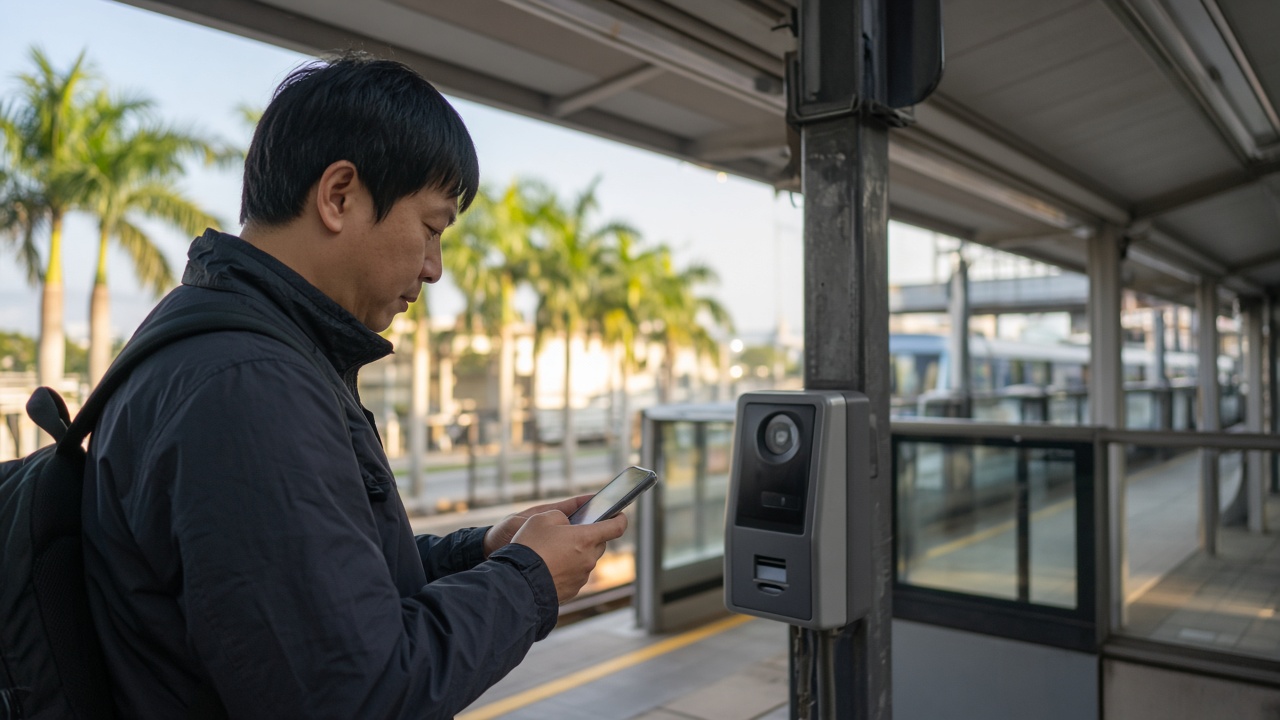
Sinopac Digital Finance Co. tied Sinopac Wallet QR top-ups for Kaohsiung and Tainan light-rail stored-value cards to tiered cashback rebates on eligible Sinopac credit cards, according to app release notes and branch circulars effective September 23 reviewed by InfoHandle. The program is not a transit subsidy; it is a payment-marketing play that rebates a percentage of reload amounts when commuters meet minimum top-up thresholds and pay with designated card products.
What rate and fee changed
Transit fares themselves follow Kaohsiung Rapid Transit and Tainan light-rail tariffs; Sinopac did not cut ticket prices. Cashback tiers run 3 percent on reloads of NT$200 to NT$499, 5 percent on NT$500 to NT$999, and 8 percent on NT$1,000 or more per transaction, credited to the linked card statement within two billing cycles.
Wallet top-ups remain free of Sinopac handling fees; the bank earns interchange when commuters later tap rides, plus interchange on card-funded reloads. Foreign-card funding is excluded—only Taiwan-issued Sinopac Visa and Mastercard products qualify.
Who it is for
Sinopac courts southern salaried workers who switched to QR transit wallets after paper ticket booths reduced hours. The bank gains wallet active-user metrics regulators now scrutinize under open-banking road maps without cutting deposit rates on savings accounts.
Students and seniors who reload NT$100 increments see only the lowest tier; the Taiwan Pay transit guidelines allow operators to set minimum QR amounts, and Sinopac aligned its marketing tiers to nudge larger single reloads.
What the issuer gains
Light-rail QR reloads keep commuters inside Sinopac’s ecosystem instead of topping up at convenience-store kiosks that route through competing acquirers. Aggregated reload data helps branch planners staff digital onboarding desks near KRTC stations without hiring seasonal temps solely for October tourism peaks.
Cashback is marketing expense capped at NT$3,000 per card per month—cheaper than blanket MRT discounts that erode interchange on every tap.
Gotchas if you carry a balance or miss a statement
Fang-Yi Wu’s desk reminds readers that cashback is statement credit, not cash you can withdraw at ATMs. If you revolve card balances after funding reloads, purchase APRs erase rebate value within one cycle.
Missed minimum-payment due dates void promotional cashback for that month even if transit taps were flawless. Auto-debit from savings avoids interest but may forfeit reward points Sinopac uses to market the program—confirm which funding source you select in the wallet confirmation screen.
Fine print on tiers and caps
Cashback applies to reload principal only, not convenience-store purchase bundles. Splitting NT$1,000 into five NT$200 reloads lands in the 3 percent bucket each time—plan fewer, larger top-ups if you chase the 8 percent tier.
Corporate cards and co-brand airline products are excluded unless listed in the campaign appendix. Dynamic currency conversion does not apply, but tourists using foreign phones must still register Taiwan mobile numbers to activate Sinopac Wallet.
How this compares
CTBC and Cathay wallets offer MRT cashback in northern cities with different caps; Sinopac’s southern light-rail focus is geographic differentiation, not necessarily the highest lifetime rebate. FSC marketing rules require bold disclosure of caps and excluded MCC codes—read the PDF before assuming every tap doubles rewards.
Before you reload
Match your commute pattern to tier breakpoints, link the correct Sinopac card before scanning station QR posters, and set payment reminders so a missed statement does not claw back September rebates. If you already carry revolving debt from Mid-Autumn travel, pay that down before chasing 8 percent on NT$1,000 reloads—transit marketing is cheaper than revolving APRs.
Sinopac customer service extended chat hours through October tourism season; save campaign screenshots because in-app banners rotate when caps exhaust mid-month.
KRTC station staff said QR reload desks saw longer queues Monday morning as commuters tested tiers—bring patience or reload off-peak to avoid missing trains, not because the bank charges platform fees.
Tainan light-rail operators posted bilingual FAQ sheets after tourists asked whether foreign Apple Pay cards trigger cashback—they do not. Sinopac’s campaign targets resident wallet users funding Sinopac plastic, a distinction branch staff must repeat when Line groups share screenshots missing the fine print.
Reward accountants inside the bank modeled the NT$3,000 cap assuming average commuters reload twice weekly at the NT$500 tier; power users hitting the cap mid-month should switch cards or accept that marketing rebates are budgets, not unlimited entitlements.