Prime Minister Keir Starmer used his United Nations General Assembly speech on Tuesday to announce that Britain will host Chagos Archipelago follow-on negotiations in London in mid-October, seeking to stabilise the Diego Garcia base lease even as U.S. President Donald Trump renewed his attack on the Mauritius handover and Greater Manchester Mayor Andy Burnham told a New York fringe forum the payout model is “unsellable at home.”
What Starmer committed
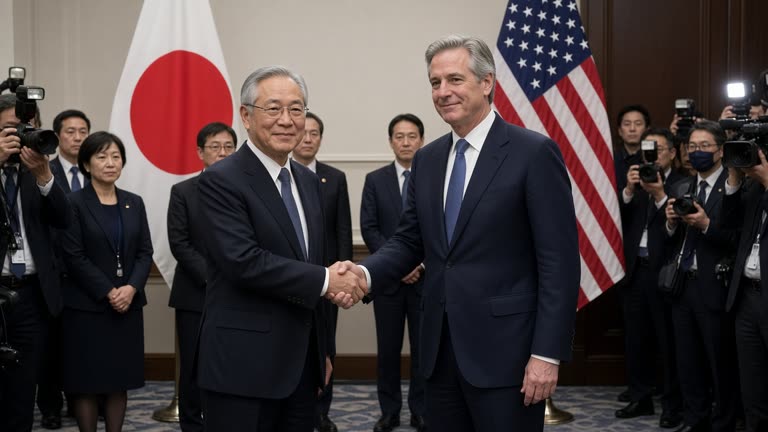
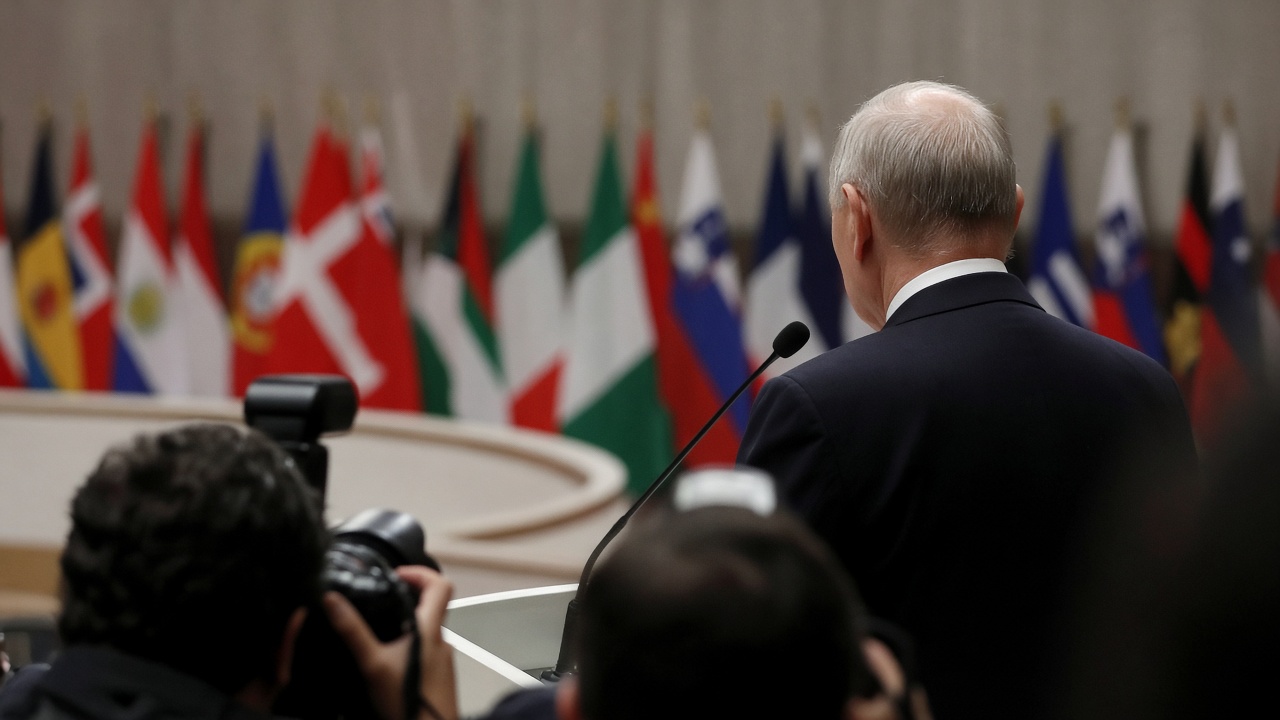
Starmer told delegates Britain remains willing to recognise Mauritian sovereignty while securing “decades-long, operationally unimpeded” U.S. and UK use of the Indian Ocean airfield. He named FCDO ministerial leads for the October round and invited Mauritian Prime Minister Navin Ramgoolam’s team plus U.S. observers, framing London as a neutral room after a week of sidewalk diplomacy. Downing Street said ratification timelines stay paused until Washington re-engages—a nod to Trump’s April withdrawal of U.S. support for the Starmer-era financial package worth roughly £101 million annually in lease payments.
Labour whips briefed MPs that Starmer will not bring a fresh vote before October talks conclude, but backbenchers who opposed the original payout want a costed options paper on the order paper—not another UN photo line.
Trump’s UN pushback
Hours before Starmer spoke, Trump told reporters the Chagos deal is “terrible” for U.S. security and suggested Britain got “ripped off” paying Mauritius for access to a base American forces rely on for Middle East sorties. He stopped short of threatening base closure but repeated that Diego Garcia is “strategically very important” amid Iran-related operations—a message U.S. defence officials have delivered privately since spring.
Starmer’s team answered that hosting talks is how allies resolve disagreements without abandoning Mauritian law. Conservative opposition leaders said Trump’s comments give Starmer cover to renegotiate downward; SNP spokespeople argued any lease model that depends on White House moods needs parliamentary scrutiny.
Burnham’s fringe friction
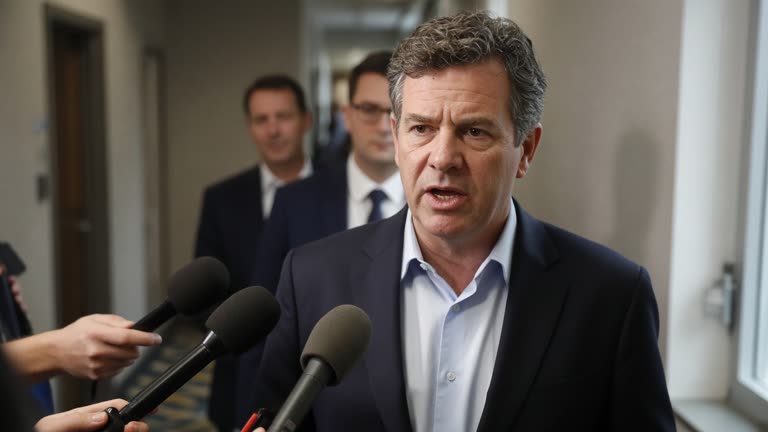
Andy Burnham, speaking at a Labour-aligned foreign-policy breakfast blocks from UN headquarters, said the current financial offer would not survive “a straight question in the Commons” and urged Starmer to invite cross-party negotiators to October talks. Burnham does not speak for government, but his remarks tracked Trump’s headline critique closely enough to dominate British clip packages—split-screen coverage Starmer aides had hoped to avoid during aid-and-AI safety messaging.
Reform UK’s Nigel Farage posted that the deal is “dead”; Burnham’s language stopped short of that but gave domestic opponents a centre-left echo of Trump’s attack. Downing Street declined to rebuke Burnham publicly, calling him “an engaged mayor with views on national security.”
Calendar and votes
Foreign Affairs questions next week will test whether Starmer can keep October talks on track if Trump continues public barbs. The October session is pencilled for the week of the 13th; FCDO lawyers are drafting invitation letters that stress base operations are the agenda’s first item, not reparations alone.
Mauritius wants sovereignty recognition on a faster clock; the U.S. wants indefinite access without annual rent optics. Starmer’s wager is that a London table lets all three save face—if Trump and Burnham stop trading sound bites for strategy.
What remains unsettled
No new pound figure was announced; insurers of parliamentary majorities still worry about Labour rebels if lease costs rise. U.S. ratification instruments stay frozen; Mauritian courts have not signed final texts. For Tuesday, the actionable facts are the London host date, Trump’s renewed opposition, and a visible Labour split amplified by Burnham—not a resolved base, but a calendar that forces decisions off Twitter and into a booked room.