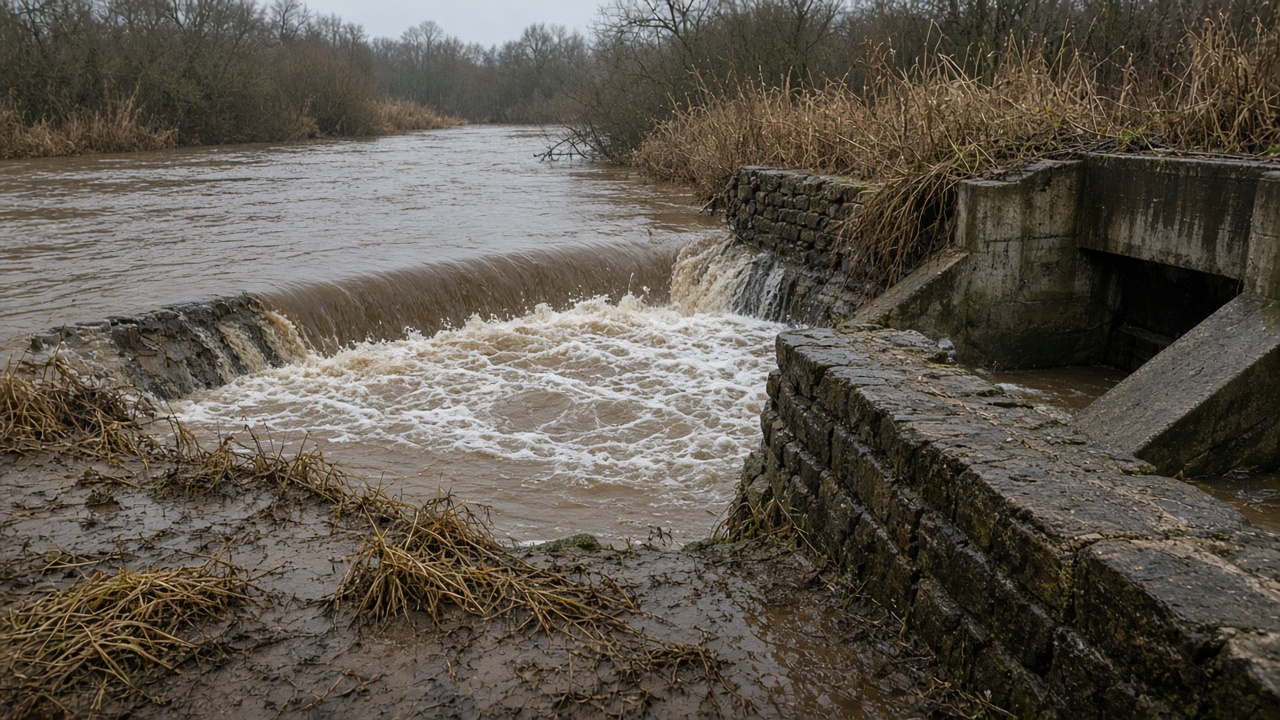
Ofwat notified Thames Water Monday of a draft financial penalty and performance commitments after the company’s Event Duration Monitoring returns for 2024/25 showed storm overflows exceeding permitted discharge frequency across hundreds of London and Thames Valley sites, according to a redacted notice described to InfoHandle by people familiar with the case. The proposed fine sits in the hundreds of millions of pounds—exact figures remain confidential until consultation closes—but it would be among the largest water-sector penalties if confirmed, layered on top of customer bill caps already strained by debt servicing.
Where on the map
Breaches cluster along the Thames tideway tributaries and aging combined sewer overflows in west London, plus inland treatment works serving Reading and Slough where rainfall overwhelmed storage before upgrades finish. Environment Agency maps tie each monitor to a named outfall; campaigners cited the Lea and Colne catchments in submissions to Ofwat. Regulators distinguish illegal dry-weather spills—rare but prosecuted—from storm overflows permitted under environmental licences but capped by improving annual limits under DEFRA’s reduction plan.
Who regulates what
Ofwat sets price controls and can impose penalties for delivery failures; the Environment Agency pursues criminal pollution cases separately. Thames Water’s interim leadership said it will respond to the draft notice with a remediation timetable citing Thames Tideway Tunnel commissioning and smaller nature-based schemes, but bondholders read penalties as cash outflows that compete with capital maintenance. Special administration remains a government backstop if the company cannot fund operations—Monday’s notice does not trigger that step.
Household stakes
Customer bills already include recovery of past fines through five-year price reviews; Ofwat must decide whether new penalties are shareholder-funded or passed through. River users see the issue as swimming and rowing safety; plumbers see basement back-ups when networks surcharge. Absolute health risk from brief overflow events is lower than dry spills of raw sewage, but the political story is frequency—monitors recording thousands of hours of discharge across a wet year.
What happens next
Thames Water has a statutory window to challenge assumptions on rainfall normalization and asset readiness. Ministers may comment but cannot veto Ofwat’s final number without legislation. For residents along the lower Thames, the near-term change is not cleaner water this weekend—it is whether enforcement cash accelerates pipe separation projects already in business plans, or disappears into Treasury receipts while bills keep rising.
Rowing and wildlife groups
Thames rowing clubs said autumn regattas still cancel when upstream monitors flash after overnight rain; coaches read Event Duration Monitoring dashboards like tide tables. Wildlife trusts want nutrient reduction targets paired with fines, arguing penalties without habitat spend repeat past cycles. Ofwat’s draft ties some payments to demonstrable spill-hour reductions next year—auditors will compare sensor logs, not press releases.
Plumbers in west London report surge pricing after basement backups when networks surcharge; insurers distinguish flood from sewer escape in policies homeowners rarely read until a storm hits. The company’s debt stack means every penalty line item is fought in court and in bondholder calls—customers hear about fines in headlines while leak-repair vans still miss appointment windows.