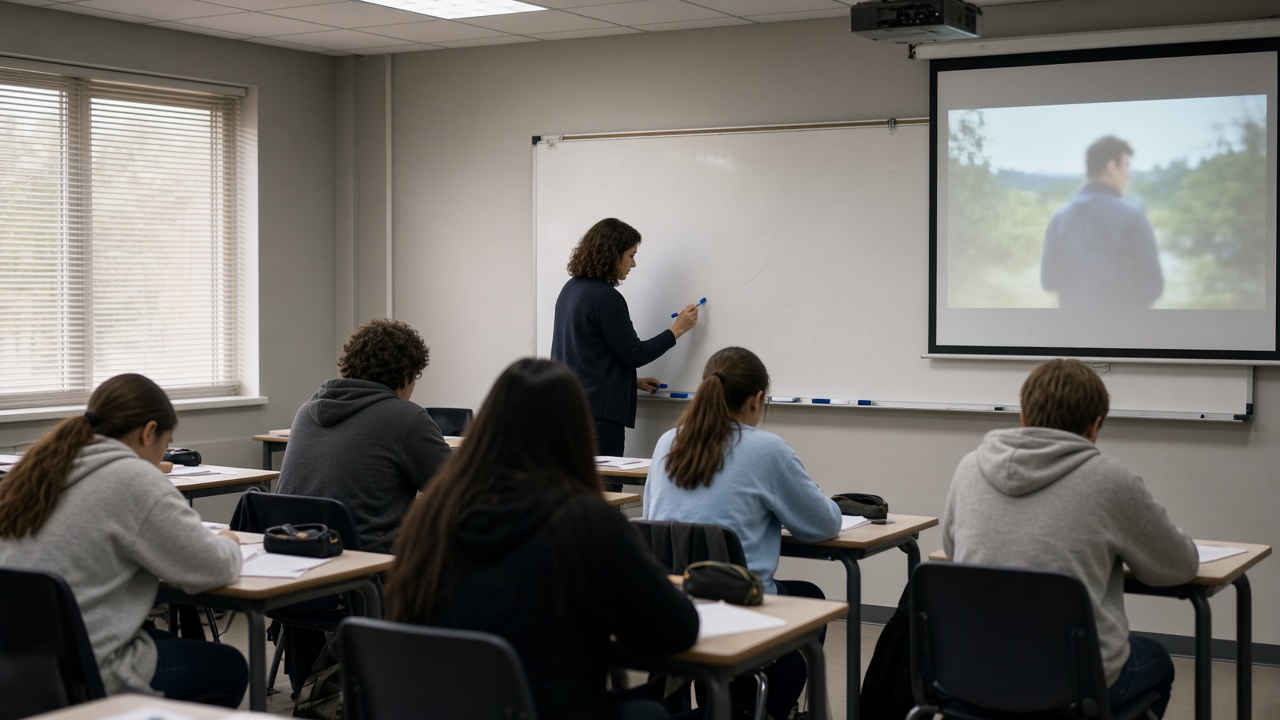
The Victorian Curriculum and Assessment Authority will trial new Year 9 media-literacy units in term four after principals reported classroom time lost to synthetic videos and voice clones circulated on group chats. The pilot stitches existing Level 9 English outcomes—analysing how media texts persuade—with eSafety Commissioner guidance on image-based abuse, without creating a standalone “deepfake subject” that would dodge timetabled assessment.
What classrooms will cover
Modules ask students to trace how a clip was made: lip-sync apps, generative audio, and cropped context. Teachers receive slide decks aligned to Victorian Curriculum content descriptions on evaluating multimodal texts and identifying bias. Lessons distinguish political satire from targeted harassment, and they rehearse school reporting paths when intimate imagery is involved—even when pixels are fake. Consent education already mandatory from Foundation to Year 12 supplies the ethical frame; the pilot adds technical spotting drills.
Why Year 9
VCAA advisers said Year 9 sits after students gain personal devices at scale but before senior assessment pressure narrows electives. eSafety data show reports of digitally altered intimate images involving under-18s more than doubled in 18 months, with most targets girls. Incidents in Victorian schools this winter pushed the authority to bundle professional learning with the classroom pack rather than leave each campus to improvise from PDFs.
Teacher supports
Participating schools access eSafety’s Toolkit for Schools response guide, which tells staff to prioritise wellbeing, preserve limited evidence for police, and notify parents without amplifying harm on assembly stages. VCAA’s respectful-relationships cross-curriculum resources supply assessment rubrics so media analysis still counts toward reported outcomes. Unions asked for clear boundaries on searching phones; the pilot tells teachers to escalate to principals rather than confiscate devices mid-lesson unless immediate safety requires it.
What families should know
Modules do not teach students to build deepfakes; they teach refusal skills and platform reporting. Parents can mirror the vocabulary at home—ask whether a startling clip arrived with original audio, and whether the face matches lighting. If your child is targeted, schools must follow mandatory reporting rules alongside eSafety’s portal. The pilot runs in dozens of campuses this term; statewide rollout depends on term-four feedback, but the authority said waiting for perfect tools is how term one becomes another crisis.
Assessment remains essay and discussion based—students might compare two news clips and annotate which metadata signals manipulation. VCAA will survey teachers on workload after the first four weeks; unions want guarantee that counsellors, not English staff alone, handle distressed students. eSafety’s Champions Network webinars run in parallel for staff who miss the in-service day. None of it replaces police involvement when imagery sexualises minors; the pilot’s job is to shrink the minutes between discovery and a competent adult response.