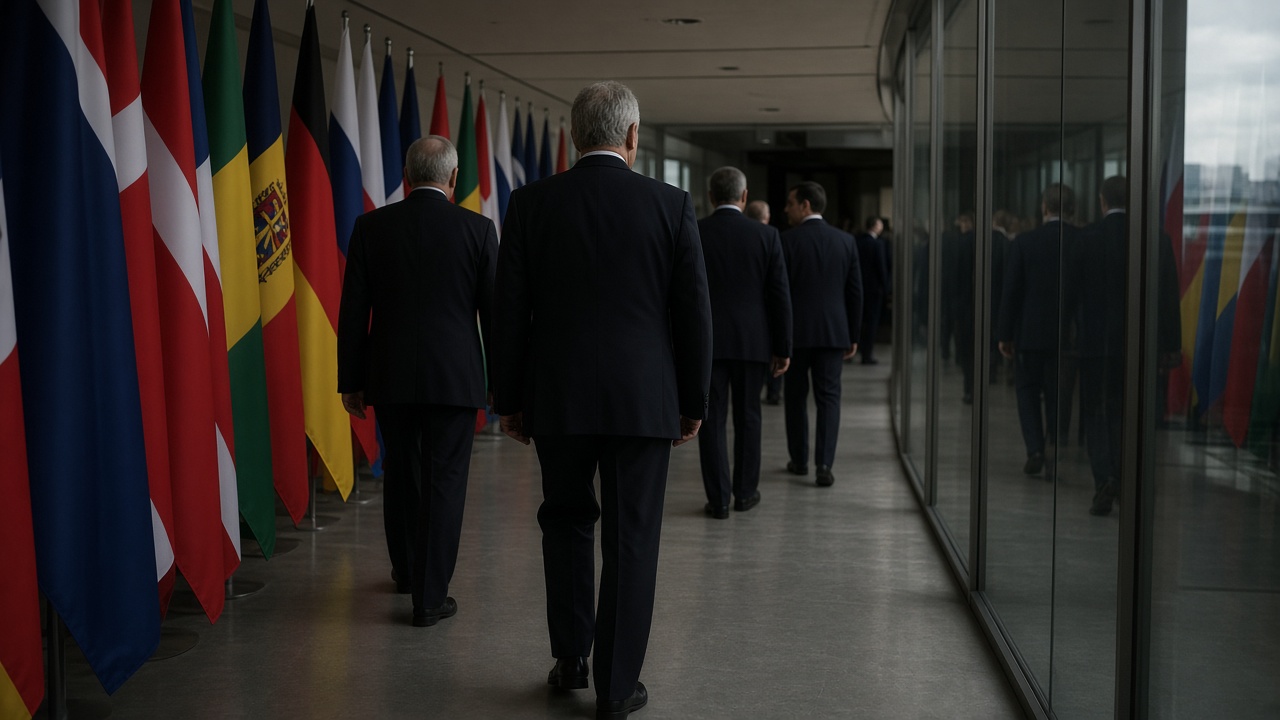
Qatari mediators carried messages between U.S. President Donald Trump’s envoy Steve Witkoff and Iranian Foreign Minister Abbas Araghchi for much of Tuesday at the United Nations, marking the first structured U.S.–Iran contact since a June ceasefire understanding unraveled and Washington tightened its naval blockade on Iranian ports.
What happened in the corridors
Al Jazeera reported that the two sides engaged in hours of indirect talks through mediators on UNGA sidelines, with accounts differing over whether American and Iranian officials ever sat in the same room. Iran’s foreign ministry spokesman Esmail Baghaei told state media that negotiations ran through a Qatari intermediary who relayed Tehran’s conditions, including an end to U.S. “acts of aggression” across the region and relief from economic pressure.
Witkoff posted on X that the parties “successfully completed a round of discussions that we hope will prove constructive and promising,” adding that mediators would keep working. When reporters asked him leaving the UN complex, he gave a thumbs up but offered no details on sanctions, frozen assets, or shipping lanes.
Trump’s parallel pressure campaign
The shuttle diplomacy unfolded the same day Trump used his General Assembly address to threaten further military action against Iran if talks fail, language that drew a partial walkout from some delegations according to wire pool reports. CNBC noted Trump also told reporters he believed a fuller deal might wait until after November’s U.S. midterm elections, saying Tehran was “waiting to see how I do.”
Iranian officials reiterated that reopening the Strait of Hormuz could happen within seven days if the U.S. eases its blockade, a proposal traders have heard before but that gained fresh attention as Brent crude slipped on hints of renewed dialogue. Kpler data cited by CNBC showed Iranian crude loadings falling to zero so far in September from nearly 900,000 barrels per day in July, underscoring how much leverage Washington believes it still holds at sea.
Why mediators stayed in the building
Qatar hosts the largest U.S. air base in the Gulf and has carried messages between Tehran and Washington since the June memorandum collapsed in July. Doha’s foreign ministry has framed any pause as needing to cover both military strikes and insurance markets that still treat Hormuz as a war zone, because tanker owners will not sail on rhetoric alone.
European diplomats said Tuesday’s round was less about instant breakthroughs than about preventing a second escalation spiral while Zelenskyy and Gulf leaders compete for Trump’s attention in the same week. A senior Gulf official, speaking on background, said mediators were testing whether Iran would accept a sequenced deal: partial port access first, followed by talks on Hezbollah and Yemen only after shipping resumes.
What investors and allies watch next
Oil desks will look for any change in U.S. Navy boarding patterns or Iranian tug movements near Bandar Abbas. Asian refiners with term contracts want written assurances, not social media posts, before they nominate Hormuz cargoes again.
For the politics desk, the new fact is procedural but real: Witkoff and Araghchi are talking again through mediators, with Tehran publicly linking Hormuz to blockade relief and Washington publicly linking any relief to broader war termination. The handshake may be indirect, but the calendar slot is now occupied—and that alone moved markets before a single barrel cleared the strait.