Seven hundred eighty-one migrants crossed the English Channel in small boats on Wednesday, provisional Home Office data show, marking the busiest single day of 2026 so far and puncturing weeks of relative calm after five days with no arrivals. The spike, spread across ten detected vessels averaging about 78 passengers each, arrived days after two boats reached Kent beaches without interception—near Folkestone on Monday and at Samphire Hoe on Tuesday—prompting Home Secretary Shabana Mahmood to demand an urgent Border Security Command review.
Record day in context
The Independent reported that overall small-boat arrivals for 2026 now stand at 18,565, down 42 percent from the 32,188 recorded by the same point in 2025 and 26 percent below the 25,165 logged in 2024. Government spokespeople cite the summer trajectory as the lowest since 2020 even as Wednesday’s figure approached the daily highs that dominated 2022, when 1,305 people arrived on a single September day during the previous peak.
Crossings resumed modestly earlier in the week—about 150 people on both Monday and Tuesday according to the same provisional series—before smugglers launched the larger flotilla Wednesday. French police have noted launches shifting west along the Pas-de-Calais coast to evade patrols, lengthening routes but sometimes reducing visibility to Dover radar.
Undetected landings trigger review
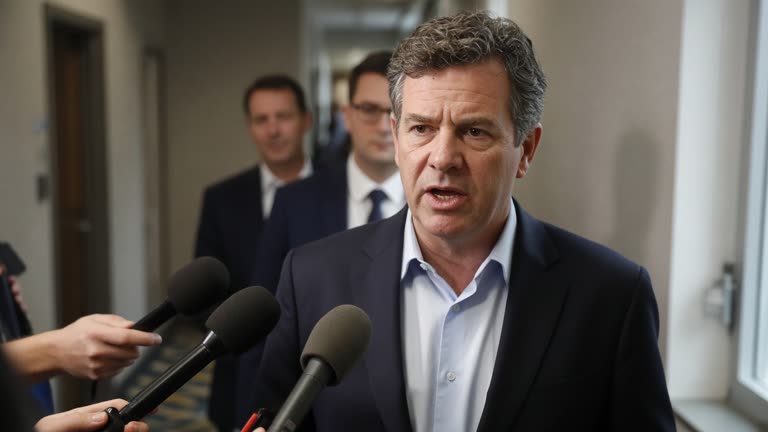
Mahmood told reporters the failure to stop Monday’s and Tuesday’s boats was “not acceptable,” ordering Border Security Command to explain how craft reached shore without Royal National Lifeboat Institution or Border Force interception. The Samphire Hoe landing was the first undetected arrival in about a year, a political embarrassment for a government elected on promises to “stop the boats.”
Education Secretary Lucy Powell defended the broader trend on BBC Radio 4’s Today programme, saying “you can’t stop everything all of the time” while insisting Mahmood’s review would address gaps. Powell later said critics had taken her remarks out of context, emphasizing daily enforcement work with France and intelligence partners.
Opposition and messaging
Reform UK shadow home secretary Zia Yusuf called Powell’s comments an “abject surrender of our borders,” attempting to link the undetected landings to broader patrol cuts. Labour ministers counter that enhanced drone coverage and French beach dismantling teams have reduced totals even if individual days spike when weather windows align.
A government spokesperson said progress in 2026 is “indisputable” with the 42 percent year-on-year decline, but conceded this week’s events show peaks remain far below 2022 yet still require “pushing further and harder” against smuggling networks.
Operational questions
Border Security Command, created to unify Navy, Border Force, and intelligence tasking, must now reconcile Wednesday’s high detections with Monday and Tuesday’s misses. Analysts note undetected landings may involve smaller inflatables hugging cliffs east of Dover where radar shadowing complicates drone tracking.
Charities including the Refugee Council warn that focusing solely on interception ignores asylum backlogs that leave people in hotels for months, while coastal councils ask for funding to monitor remote beaches used when smugglers avoid Gravelines launch points highlighted in Getty images accompanying Independent coverage.
What comes next
Mahmood expects an interim review findings memo before Parliament returns from conference season, though officials have not published a deadline. French Interior Ministry liaisons scheduled another weekend operation to dismantle stash houses near Dunkirk, according to routine briefing notes cited by BBC regional reporters when asked about Wednesday’s surge.
For the politics desk, the new numbers are 781 arrivals in one day, 18,565 year-to-date, two undetected landings this week, and a cabinet-level review—enough to dominate broadcast clips even as statisticians emphasize the longer downward slope compared with last year.