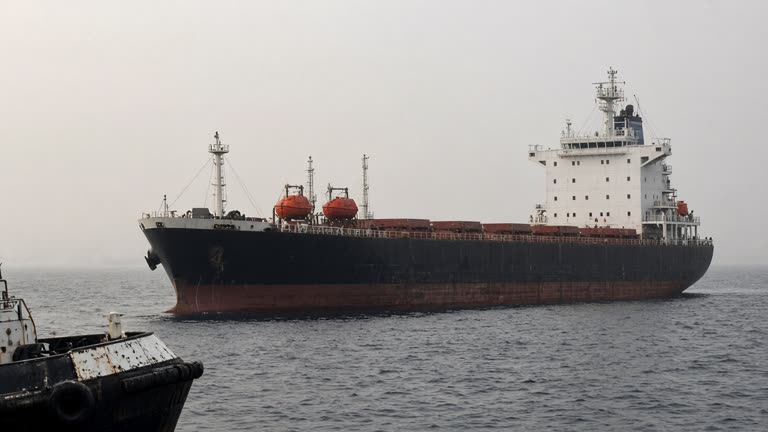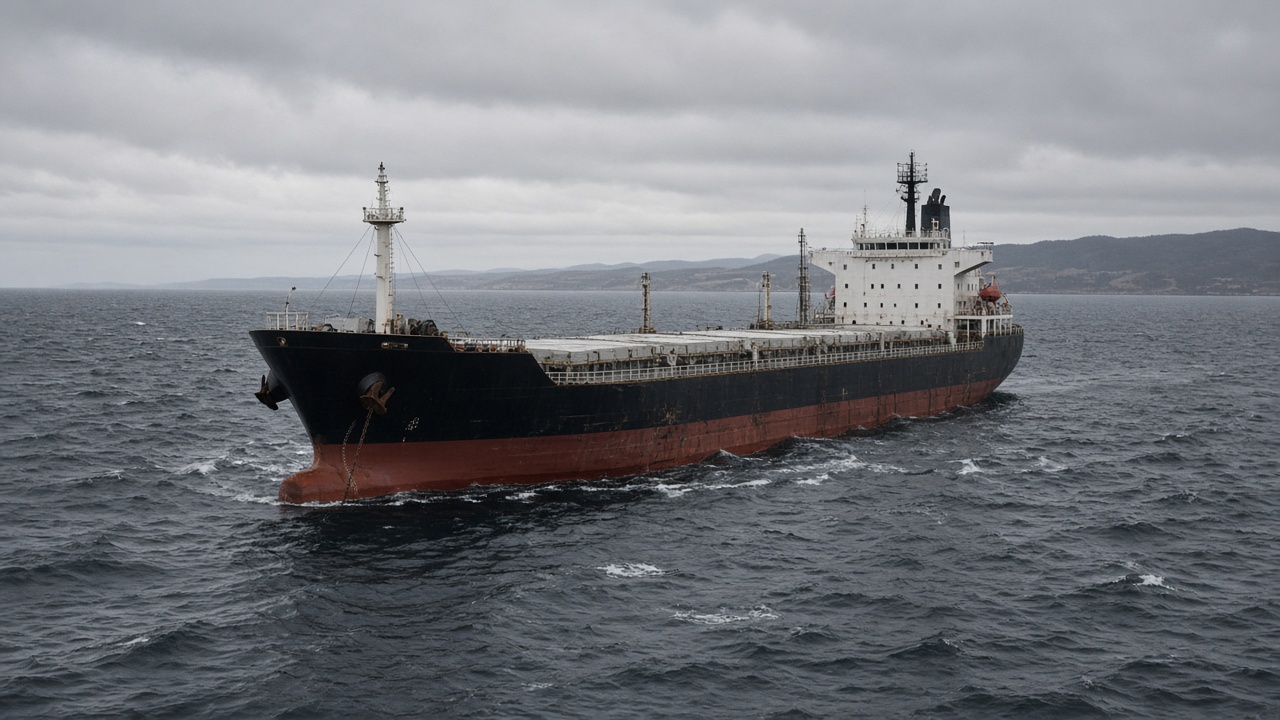
Turkish President Recep Tayyip Erdogan told Ukrainian President Volodymyr Zelenskyy that attacks on commercial vessels in the Black Sea are “inexplicable” and that both governments must take concrete steps to protect shipping lanes, according to a readout from Erdogan’s office on Thursday.
Erdogan’s call and Turkey’s chokepoint role
Ankara has positioned itself as a mediator on Black Sea corridors since Russia’s full-scale invasion, brokering earlier grain initiatives that moved Ukrainian exports through Turkish inspection hubs. Erdogan’s message this week lands after a fresh wave of Russian strikes across Ukraine—including attacks that damaged infrastructure far from the front—and amid renewed diplomatic shuttling by U.S. officials at the United Nations General Assembly.
Turkish officials did not publish a full transcript, but the presidential communications directorate said Erdogan stressed that any strike endangering civilian merchant crews undermines food security well beyond the Black Sea basin. Turkey controls the Bosporus and Dardanelles straits, giving Erdogan leverage but also exposure when insurers raise premiums on routes touching Ukrainian ports.
Grain economics under fire
Ukraine harvested a strong wheat crop this year, according to Kyiv’s agriculture ministry, but export volumes still depend on safe passage through Odessa-region ports and overland alternatives when seaborne routes are threatened. German Foreign Minister Johann Wadephul echoed the food-security angle on Thursday, calling for a full ceasefire starting in the Black Sea to safeguard grain shipments.
The European Bank for Reconstruction and Development reported the same day that growth in developing economies is slowing, partly because energy and wheat prices remain elevated by the war’s logistics drag. The bank’s economists tied those pressures directly to disrupted Ukrainian exports and volatile Black Sea insurance markets.
Diplomacy in New York, violence on the ground
U.S. diplomats met separately with Russian and Ukrainian officials on the sidelines of UNGA this week to discuss de-escalation steps, according to officials briefed on the sessions. Those talks did not produce a public ceasefire announcement, and Thursday’s strikes in Kharkiv region and Kyiv underscored the gap between assembly-hall statements and battlefield tempo.
Zelenskyy used his General Assembly address to argue that Russia’s revenues must remain a target for sanctions enforcers. Erdogan’s follow-up call reframes the conversation around maritime safety—a narrower, operational demand that Turkey can pitch to both Kyiv and Moscow without endorsing every Ukrainian military objective.
What shippers and insurers need
Maritime underwriters track war-risk premiums daily; any Erdogan-Zelenskyy understanding that produces escorted convoys or clearer naval deconfliction channels could move markets faster than another UN resolution. Port operators in Romania and Bulgaria also watch Turkish diplomacy because alternative routes add cost and time.
For the security desk, the confirmed development is diplomatic: Turkey’s president pressing Ukraine’s president on vessel safety while multilateral lenders quantify the macro damage from stalled grain flows. Until navigational guarantees improve, the Black Sea remains both a battlefield and a global grocery aisle—with Erdogan trying to keep the second function alive.