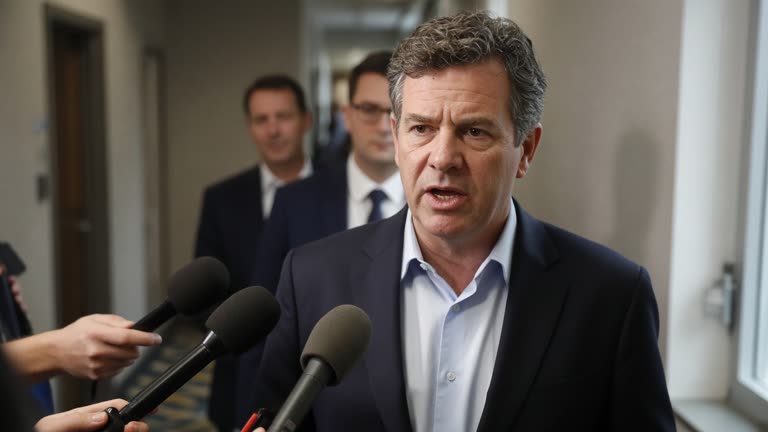
Israeli Prime Minister Benjamin Netanyahu is set to take the United Nations General Assembly podium on Thursday under dual spotlights: a Gaza war that has drained international patience and a domestic election season in which his Likud party is trailing in polls. Wire services and broadcasters reported that Palestinian Authority President Mahmoud Abbas would address the same debate by video link after the United States denied him a visa to enter New York, a procedural snub that Arab delegations said underscored how hollow the chamber’s promises of equal hearing had become.
What changed on the UN calendar
Thursday is the third day of the annual general debate, the stretch when heads of government pack the East River hall with set-piece speeches. Netanyahu’s slot arrives after a week in which U.S. envoy Steve Witkoff told reporters that President Donald Trump’s Gaza peace framework could yield movement within days, and after Yemen’s Houthis claimed a drone strike that wounded 22 people in the Israeli resort city of Eilat. Those threads do not merge into a single narrative, but they compress the pressure on Netanyahu to sound both defiant abroad and indispensable at home.
French President Emmanuel Macron and British Prime Minister Keir Starmer have already used their turns at the rostrum to press for ceasefire language and humanitarian access. London and Paris have imposed limited sanctions on certain Israeli exports tied to West Bank settlements, moves Netanyahu’s office has denounced as rewarding Hamas. Macron’s remark that Hamas was not active in the West Bank—accurate in the sense that the group’s military leadership is concentrated in Gaza—drew a sharp rebuttal from Jerusalem, previewing the tone Netanyahu is expected to carry into his own remarks.
Protests and security in New York
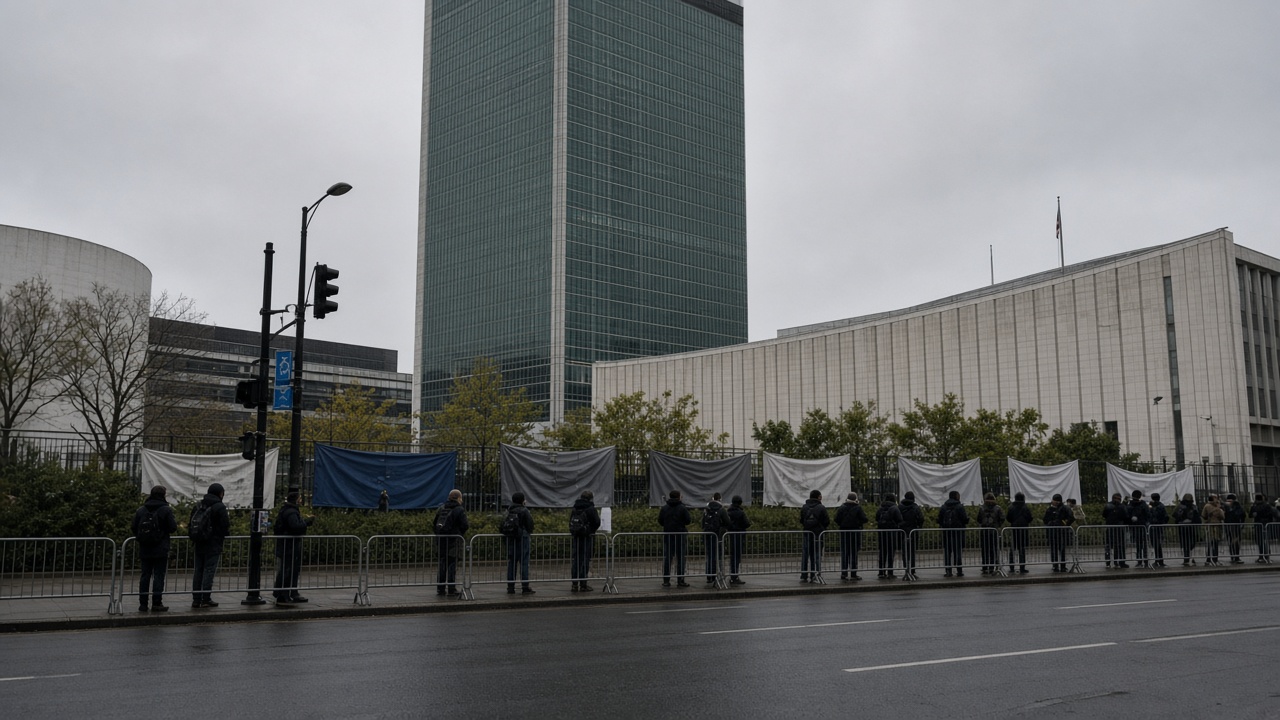
Organizers scheduled marches from Bryant Park toward Turtle Bay, framing the day as a rejection of what they called impunity for civilian casualties in Gaza. New York Mayor Zohran Mamdani, who Netanyahu accused this week of inciting unrest against Jewish communities—a charge Mamdani’s office rejected—said city police would protect lawful demonstration while keeping UN access routes open. Israeli media reported that Netanyahu’s U.S. visit might be compressed into a single day, citing unspecified security concerns, though his office did not publish a detailed itinerary.
Inside the hall, diplomats expect empty seats or symbolic walkouts when Netanyahu speaks, a pattern that has repeated at prior UN sessions since Hamas’s October 2023 attack and Israel’s subsequent ground campaign. U.S. officials have not announced a bilateral meeting between Trump and Netanyahu on this trip, a omission that opposition lawmakers in Jerusalem read as a warning sign even as Washington continues military resupply flights.
Abbas by video, allies in the crosshairs
Abbas’s virtual appearance keeps the Palestinian file on the agenda without placing him physically in a country that hosts the UN headquarters. Palestinian diplomats said the visa denial violated the host agreement’s spirit; U.S. spokespeople have declined to detail the consular reasoning. Abbas is likely to repeat calls for recognition and for international courts to weigh occupation policy, themes that play better to Ramallah’s base than to swing voters in Tel Aviv suburbs.
Netanyahu, addressing his fifteenth General Assembly, has historically used the stage to warn on Iran and to cast Israel as the Middle East’s stabilizer. With Iran’s President Masoud Pezeshkian also in New York this week, security hawks in his coalition want explicit threats; centrist ministers worry that escalating rhetoric could spook investors already nervous about regional shipping routes.
What Israeli voters will hear
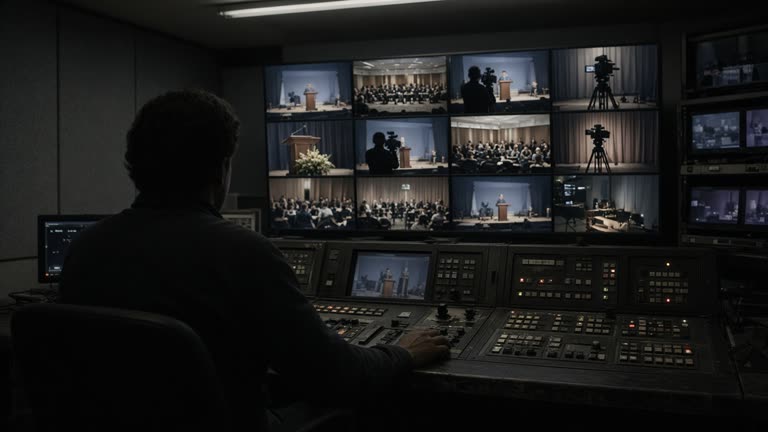
Domestic broadcasters planned live cut-ins, treating the speech as a campaign event as much as a diplomatic one. Pollsters say trust in Netanyahu’s management of the multi-front war has slipped, even among voters who still reject a premature ceasefire. A strong UN performance cannot replace hostage-deal progress or lower grocery bills, but Likud strategists hope it will remind viewers that only their leader commands the U.S. relationship.
For the world desk, the new fact is procedural and political at once: Netanyahu speaks live while Abbas is relegated to a screen, protests surround the building, and European partners Netanyahu once counted as quiet allies are now imposing trade consequences tied to West Bank policy. The Gaza war’s battlefield tempo will not pause for rhetoric—but the General Assembly week is where that war’s diplomatic costs are being invoiced in public.