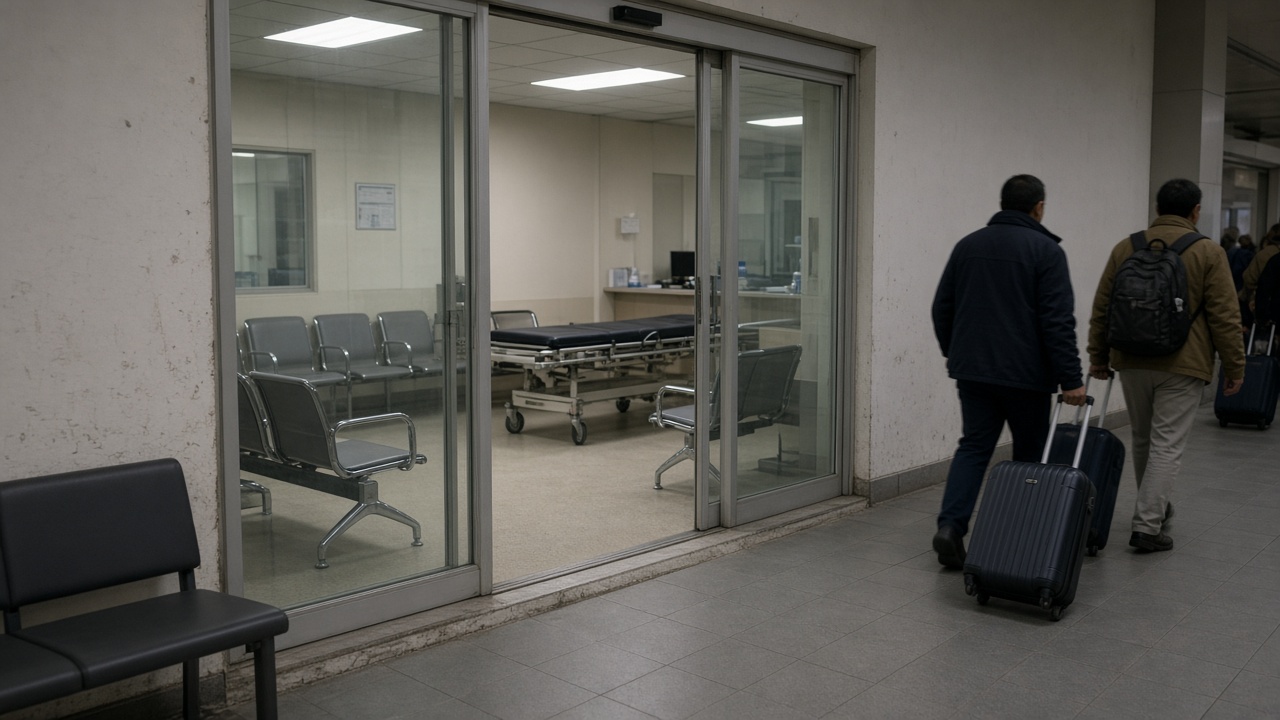
The National Health Insurance Service said it will fund extended urgent-care hours at 38 expressway rest-stop clinics through the Chuseok travel peak, keeping physicians on site past midnight on the busiest corridors so drivers and bus passengers can treat dehydration, minor trauma, and chronic-condition flare-ups without detouring to distant hometown hospitals. The program mirrors a 2025 pilot that logged more than 9,200 visits during Lunar New Year, mostly heat exhaustion and lacerations from luggage handling rather than life-threatening emergencies.
Where hours expand
Clinics at Gyeongbu, Seohae, and Jungbu expressway hubs—including Anseong, Yeoju, and Haman service areas—will run 6 a.m. to 2 a.m. from Wednesday through holiday Sunday. Jeolla and Gangwon nodes with lower traffic keep standard 8 a.m. to 10 p.m. windows unless local NHIS branches approve surge staffing when congestion indexes trip thresholds Korea Expressway Corporation publishes hourly.
What NHIS covers
Visits bill through normal national insurance copays; NHIS pays supplemental facility fees so operators are not tempted to redirect patients to profit-driven telemedicine kiosks without physicians. Covered services include IV fluids, suturing, blood-pressure stabilization, and insulin adjustment counseling—not elective imaging. Severe cases still transfer by ambulance to regional trauma centers; rest-stop clinics maintain blue-light staging lanes co-funded with fire agencies.
Coordination with traffic control
Expressway police asked clinic staff to report aggregate heat-stroke counts without patient identifiers so variable message signs can warn drivers to hydrate during afternoon queues. Bus companies on intercity routes received NHIS pamphlets on medication storage in non-refrigerated luggage—a recurring issue when elderly riders forget insulin packs in cargo holds.
Limits travelers should know
Rest-stop clinics do not refill controlled pain prescriptions or perform complex orthopedics; they stabilize and refer. Foreign passport holders with travel insurance still use the same desks but must pay upfront and claim later unless enrolled in Korean national insurance. NHIS said English-speaking coordinators rotate at the five busiest sites near Incheon and Gimhae airport approaches.
Pharmacy kiosks adjacent to some plazas stay open for over-the-counter rehydration salts and fever reducers, but NHIS urged travelers to pack chronic medications before leaving Seoul because kiosk stock rotates toward snack demand during holidays. Volunteer nurses from regional medical associations will staff information booths—not treatment bays—at three mega-rest areas to triage lines before physicians see patients.
NHIS will publish daily visit counts by plaza on a public dashboard after the holiday, a transparency habit begun during the Lunar New Year pilot that helps planners decide which sites deserve permanent extended hours beyond Chuseok.
For holiday drivers, the practical takeaway is that highway plazas are not substitutes for family doctors—but they are no longer dark after dinner when a child spikes a fever halfway to Gwangju.