Contractors working for Singapore’s National Parks Board combed green buffers near Mei Hwa Drive in Serangoon Gardens on Thursday after residents reported seeing a black spitting cobra, a highly venomous snake that can project venom toward eyes from a distance. NParks group director of wildlife management How Choon Beng told media outlets that the agency was alerted to repeated sightings and that teams were dispatched after each report, but that no snake had been located during the surveys conducted so far.
What residents reported
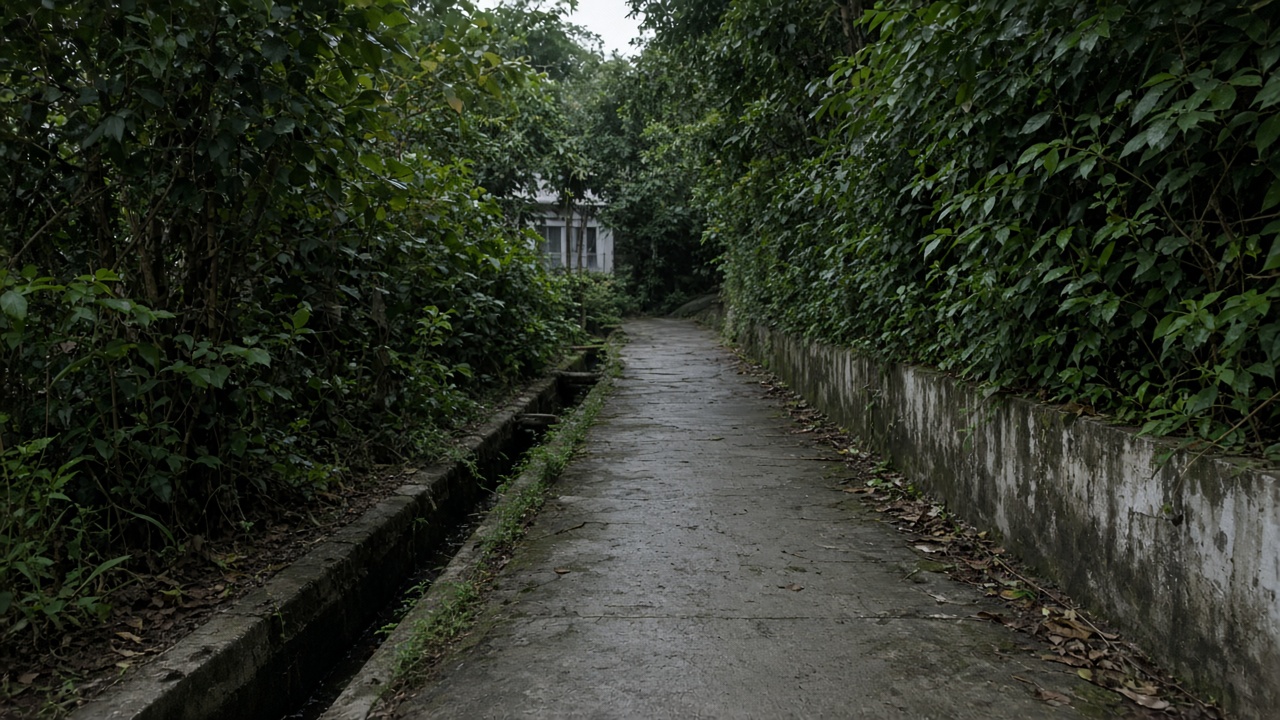
AsiaOne and other local outlets said the reptile was identified as Naja sumatrana, commonly called the black spitting cobra or Sumatran spitting cobra. Sightings clustered around the Serangoon Gardens estate, a mature residential neighborhood where lowland forest fragments meet drainage channels that snakes use as corridors. NParks did not publish a precise count of reports, but the activation of contracted snake handlers indicates officials treated the tips as credible rather than as single mistaken identifications.
Unlike reticulated pythons, which dominate headlines when they appear in canals, spitting cobras pose a distinct risk because defensive strikes can target faces without a bite. Hospital emergency departments in the region stock antivenom for cobra envenomation, but ophthalmology units also prepare for corneal injuries when venom is projected.
NParks response
How said contractors surveyed the area immediately after alerts and will continue monitoring. The board’s standard protocol is to relocate captured snakes away from dense housing, often toward forested reserves, rather than killing them unless an animal is injured or poses an imminent threat. Thursday’s statement emphasized that the species is generally shy and prefers to retreat when given space.
NParks has run public education campaigns on coexistence with urban wildlife, but cobra sightings still trigger anxious Telegram chats among estate committees. Serangoon Gardens’ mix of landed homes and narrow lanes gives snakes cover near garbage bins and compost heaps where rodents attract predators.
Advice to the public
Officials repeated familiar guidance: do not approach or attempt to catch the snake; back away slowly; call NParks’ 24-hour Animal Response Centre or the police if someone is bitten or venom enters the eyes. Parents were reminded to keep children on paths and away from thick shrubbery until contractors clear the area.
The Singapore Civil Defence Force was not activated for Thursday’s searches, indicating no injuries had been reported. Schools in the vicinity did not announce closures, though some tuition centres messaged parents to use main roads rather than cut-through parks at dusk, when snakes are more active.
Why this matters locally
Singapore records relatively few snakebite fatalities compared with regional neighbors, but each cobra alert tests the balance between biodiversity in a garden city and household safety. Wildlife groups said dry weather can push snakes toward irrigated gardens; others noted that construction along nearby drains may have displaced an individual rather than signaling a population boom.
For the Singapore desk, the breaking element is operational: confirmed species identification, active contractor sweeps, and an uncaptured animal that authorities say they will keep searching for—without panic, but with clear venom warnings that justify treating the story as more than a novelty photo in a chat group.