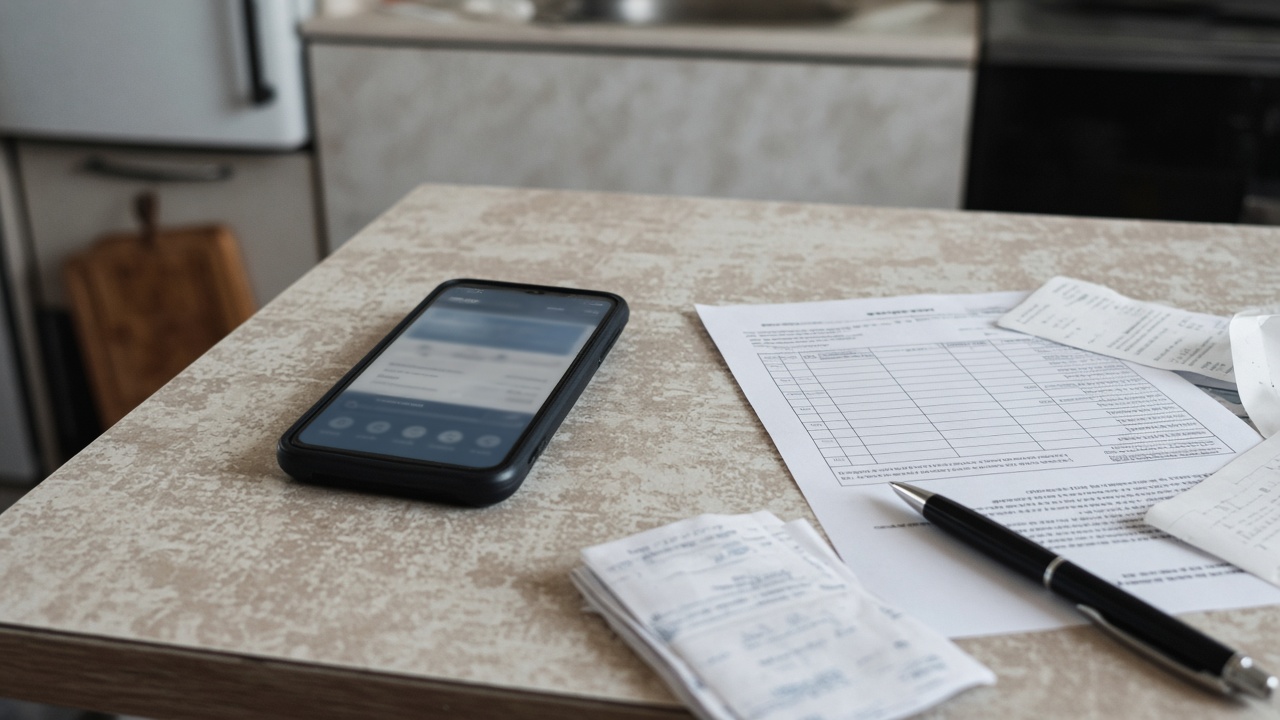
Rakuten Card Co published updated Silver Week guidance telling cardholders to assemble typhoon refund documentation before disputes escalate to network chargebacks, after Typhoon Dujuan cancelled flights, darkened Chiba hotels, and left merchants citing force majeure while charges still posted to Rakuten-issued plastic. The notice is procedural—clearer evidence rules for the issuer’s dispute desk—not a promise to waive merchant contracts or override acquirer timelines.
What changed on the dispute path
App banners and help-centre articles now list minimum files for storm-related refunds: airline disruption numbers, hotel correspondence showing cancellation refusal or partial credit, municipal evacuation notices where applicable, and timestamped utility outage screenshots when properties claim impossibility rather than inconvenience. Rakuten said its OCR pipeline would pre-fill dispute forms when JAL or ANA disruption codes match transaction metadata on Rakuten cards, shortening intake but not changing network reason codes.
Chargebacks remain the last resort after merchant refusal; the card network routes liability differently than goodwill credits or travel insurance riders bundled on some Rakuten products. Yuki Sato’s credit-cards lens: documentation rules protect the issuer from automatic chargeback losses when customers skip merchant channels— they do not guarantee wins if merchants prove services were available.
Who needs the checklist
Silver Week travellers who prepaid Boso resorts, Makuhari event packages, or onsen itineraries in outage corridors face the tightest windows. Rakuten co-branded travel bookings that charged flights and hotels on one statement need separate dispute lines per merchant ID—even when a single OTA screen sold the bundle.
Marketplace sellers using Rakuten Pay may see longer acquirer investigations when storm evidence is ambiguous; consumers should still contact merchants first because chargeback fees can bar future purchases on some marketplace accounts.
What the issuer gains
Structured typhoon intake reduces call-centre churn during congested mobile networks and limits interchange disputes Rakuten would rather resolve through insurance partners or merchant goodwill. Clear evidence standards also deter opportunistic claims when travel was merely delayed rather than impossible—hotels that restored power before check-in often win representments.
Rakuten Points accrual on reversed charges can complicate year-end campaigns; the guidance tells cardholders to expect point clawbacks when provisional credits post, then finalize after representment deadlines.
What if you carry a balance
Hotel charges accrue purchase APR if statements close before credits land; documentation extensions help paperwork, not interest clocks. Cardholders financing large ryokan bills should pay undisputed portions while investigations run to protect credit scores, then pursue storm lines separately.
Partial refunds require split dispute entries tied to one reservation code—a fix Rakuten emphasized after prior typhoon seasons when merchants refunded nights piecemeal.
Risks cardholders should read
Policies exclude self-inflicted cancellations and trips that remained feasible with altered routes. Social posts showing beach weather can weaken cases insurers and acquirers review when volumes spike after disasters. Keep airline SMS, TEPCO outage maps, and official cancellation emails—not screenshots of aggregator apps alone.
Employer-issued Rakuten corporate cards follow group riders; some route storm claims to HR with shorter windows than consumer portals.
Competitive context
MUFG, Saison, and SMBC issued parallel Silver Week dispute memos; differentiation is portal UX and co-brand metadata quality. Rakuten’s advantage is integrated ecommerce receipts when the same account booked travel—metadata helps adjudicators match merchant IDs obscured on third-party sites.
For household ledgers, treat chargebacks and insurance as parallel tracks: insurance when covered, chargebacks when merchants refuse documented storm cancellations.
Regulatory read
Financial Services Agency disclosure expectations require issuers to explain dispute rights without implying automatic refunds. Consumer Affairs Agency guidance encourages longer filing horizons after national disasters while preserving anti-abuse checks—Rakuten’s OCR pre-fill is framed as speeding honest claims, not loosening standards.
Sato’s household test: upload evidence before Silver Week ends, pay non-disputed balances on time, and reserve chargebacks for merchant bad faith after a paper trail exists.
Statement quirks
Provisional credits may post as pending items excluded from bonus spend tallies; tag reversed hotel charges manually if chasing October campaigns. Insurance reimbursements sometimes arrive as separate deposits—not on the same statement as original charges—so spreadsheets need a second column.
Bottom line
Rakuten Card did not open a blanket typhoon refund window; it told cardholders how to survive representment if merchants say no. The winners are households that document cancellations like accountants; the losers assume storm headlines alone force chargebacks without files.