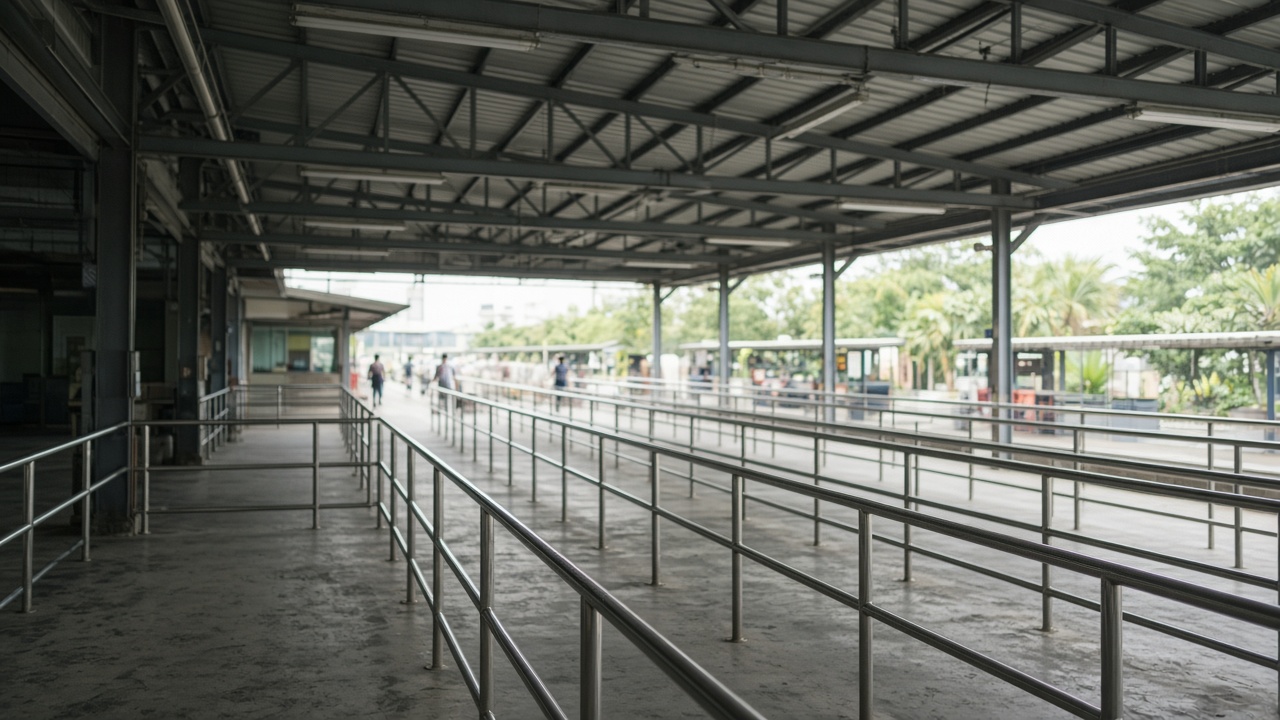
Thursday, Sept 24, is the first full commute day after Singapore’s bus nuisance penalties left the briefing slides and hit the concourse. At Woodlands Bus Interchange—the Republic’s busiest terminal for Johor-linked services—SMRT Buses staff logged the first Administrative Notifications of Offences under the Land Transport Authority’s (LTA) new schedule, turning feet-on-seats disputes and loud-speaker clips into paperwork the authority can investigate instead of leaving every case to a captain’s shout and a passenger’s phone camera.
Woodlands as enforcement thermometer
Woodlands sees Malaysian workers, school groups and airport-bound tourists share bays with double-deckers on the 950-series and express links. That mix made it an obvious place to test whether ticket inspectors and interchange teams will actually reach for forms on day two, when commuters still treat Tuesday’s headlines as fresh. Operators told LTA they would prioritise education, but the regulations activated on Sept 23 give authorised employees a formal path: document the act, issue a notice, forward repeat or contested cases upstream.
Channel News Asia reported that authorised staff may escalate beyond verbal warnings when someone refuses to comply after instruction. Woodlands’ concourse rules now mirror cabin etiquette—queue spillover, eating at bays, and obstruction near frisk-search lanes can attract higher tiers up to S$5,000, the same ceiling as egregious rail offences. Day one across the network was deliberately quiet in public messaging; day two is when shift rosters normalise and inspectors know which routes draw repeat noise complaints.
What changed after Sep 23
The Bus Services Industry (Control of Conduct and Activities – Public Bus) Regulations 2026 and companion interchange rules align bus powers with the Rapid Transit Systems framework Parliament targeted in the Transport Sector (Miscellaneous Amendments) Act 2025. SBS Transit, Tower Transit and Go-Ahead ran parallel briefings; SMRT’s Woodlands footprint means its interchange team sets the tone for north-side enforcement. LTA’s Sept 21 release stressed discretion for commuters with physical or mental health conditions, but the backend is monetary: a S$500 composition sum is roughly two months of adult transport passes on many lines.
For households the shift is not theatrical security theatre—it is a price list on shared cabins. Parents shepherding children after tuition may need to enforce snack rules that were socially policed before this week. Tourists on airport-linked services share cabins with residents who already see platform etiquette messaging on the North-South Line; buses now carry the same implied contract.
Documentation over drama
Captains retain powers to instruct passengers, require alighting without fare refund, or hold a bus for police when someone refuses. The Woodlands notices add a paper trail for repeat loud-speaker commuters or passengers who treat priority seats as footrests. The Straits Times noted that operators will continue to exercise judgment on first offences, but repeat cases or contested incidents are exactly where Administrative Notifications matter—LTA investigates after the form, not in the middle of a packed 168.
Interchange foot traffic at Woodlands rivals train stations. Rules now cover concourses explicitly so someone cannot step off the bus to escape cabin etiquette. Operator staff at terminals will watch queue spillover during peak hours; Thursday morning is unlikely to mean mass summonses, but the authority to issue notices is live and logged.
Politics and commuter expectations
Senior Minister of State for Transport Murali Pillai told the House last year that bus powers lagged rail; aligning frameworks by 2026 was the stated goal. Online footage of priority-seat disputes helped push the legislative agenda; enforcement may start where clips already documented repeat offenders. Schools and employers have a calendar hook before year-end holidays, when late-night services draw noise complaints on routes that terminate at Woodlands.
LTA said its priority is minimising inconvenience to other commuters while keeping services moving. That language matters for captains who fear stopping a full bus over a headphone dispute. The regulations complement, not replace, operator Conditions of Carriage, so the first weeks will test how often staff reach for forms versus verbal reminders—Woodlands’ first notices are the early answer.
What riders should do this week
Headphones at reasonable volume, feet on the floor, and wrappers in bins remain the low-friction compliance path. If the S$500 tier dampens open-speaker trips without clogging courts, LTA may extend route-specific messaging. Until then the policy is blunt: shared cabin, shared price list, and from Woodlands outward the list is enforceable on buses and at interchanges—not merely announced on Sept 23.