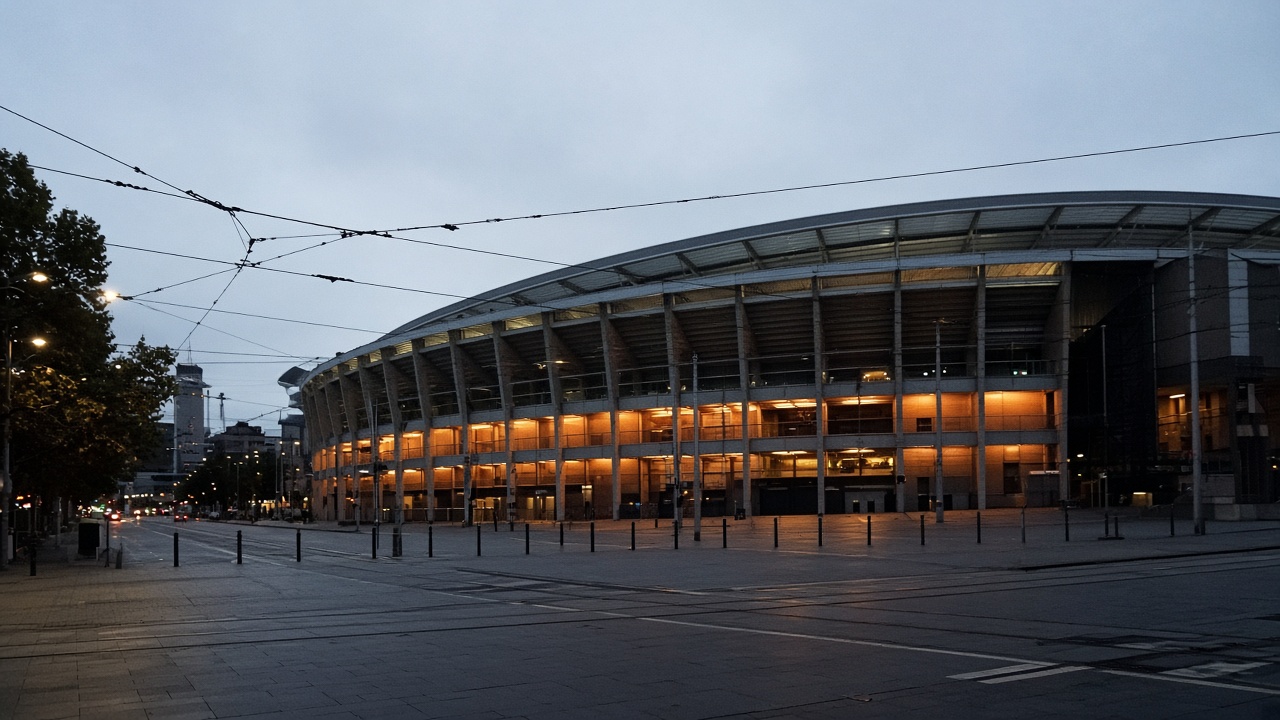
Family violence services and Victoria Police are telling Victorians to treat this weekend’s AFL grand final not only as sport but as a known risk window for abuse, with last year’s grand final day producing 315 family-violence incidents in the state—a 5 per cent rise on the prior year’s decider Saturday.
What police and advocates expect
ABC News reports frontline groups are preparing surge staffing as Brisbane meets Fremantle at the MCG on Saturday. Victoria Police reiterated that major sporting weekends overlap with long-weekend drinking, crowded pubs and heightened tension in homes where gambling losses or team rivalry already strain relationships. Acting Assistant Commissioner Sharon McKinnon told Nine.com.au police see upticks during holiday periods tied to big fixtures, and that every report will be taken seriously.
Ranges Trader Mail quoted police noting 796 family-violence incidents across the three-day grand final weekend in 2024, up nine per cent from 729 in 2023—figures that sit alongside Crime Statistics Agency trends showing more than 100,000 family-violence incidents in Victoria across the preceding 12 months, a record officials called an unwanted milestone.
Sport, alcohol and gambling context
The AFL’s marquee game arrives with familiar sponsor portfolios: beer brands on signage, wagering partners in app notifications, and hospitality venues extending trading hours. Advocates including Our Watch have long cited research that Victoria Police plan for up to a 20 per cent spike in violence against women on grand final day, while State of Origin nights in New South Wales can see even sharper surges. None of that makes football the sole cause; it does mean the league’s celebratory imagery shares airtime with helplines broadcasting emergency numbers.
Where to turn
PEDESTRIAN.TV and state services list 1800RESPECT, Safe Steps in Victoria, and local men’s referral lines for behaviour change. Police encourage neighbours to report audible assaults rather than assuming “it’s just the game.” Hospitals in Melbourne routinely staff social workers heavier for Saturday night presentations linked to intimate partner violence.
Limits on the data
Incident counts reflect reports police attend, not every unreported assault; year-on-year comparisons can shift with awareness campaigns that encourage calling. Still, the direction matches two decades of Australian research tying sporting events to alcohol consumption and domestic tension.
For fans travelling to the ‘G, the practical note is blunt: celebrate if your side wins, but treat exhaustion, alcohol and betting slips as combustible mixers at home. Clubs have run respect campaigns for years; this weekend tests whether warnings from police and frontline NGOs translate into fewer 000 calls than last September’s 315.
Queensland and Western Australian fans flooding Melbourne add hotel-bar crowds to suburban lounges; family violence helplines operate nationally even when incidents are counted in Victorian crime statistics.