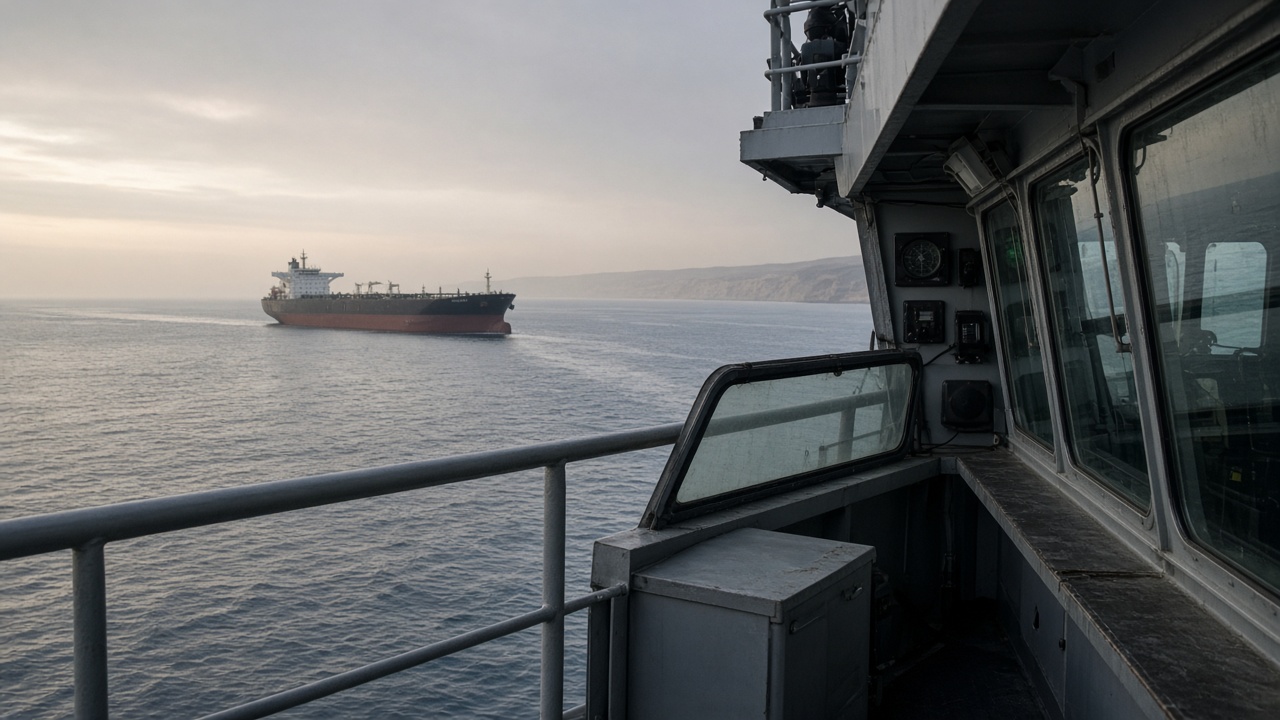
Iran’s foreign minister said Friday at the United Nations General Assembly that Tehran has proposed reopening the Strait of Hormuz within seven days if the United States meets conditions set out in a June memorandum of understanding, according to remarks reported by BBC News. The proposal is a public Iranian signal this week that the chokepoint could return to normal transit on a short timeline.
A U.S. official described the indirect talks as positive, according to Just Security’s early edition, while stopping short of confirming that Washington has accepted the terms or that a reopening is scheduled. The official’s account, like Araghchi’s, leaves the operative details — verification, sanctions relief, sequencing, and the status of naval escorts — unclear.
What Iran is offering
Araghchi, speaking on the sidelines of UNGA, framed the seven-day window as conditional rather than unilateral. Iran would move to reopen the strait if the U.S. complies with the June MOU, the terms of which have not been detailed in the public remarks. The proposal is distinct from a four-day warning issued earlier this week by Iranian military figure Rezaei, which had raised fears of near-term disruption to shipping. The seven-day language suggests a diplomatic off-ramp, but it also sets a clock that Iran controls.
The Strait of Hormuz is the narrow waterway between the Persian Gulf and the Gulf of Oman. It handles roughly one-fifth of global oil consumption and a significant share of liquefied natural gas shipments. Any sustained disruption forces tankers onto longer routes, raises war-risk insurance premiums, and draws in U.S. and allied naval forces. A reopening would not instantly reset those costs; insurers and charterers typically wait for sustained, verifiable safe passage before lowering rates.
Confirmed, claimed, and unknown
Confirmed: Araghchi publicly described the seven-day proposal. Claimed: Iran says it can reopen the strait within that window if U.S. conditions are met. Not confirmed: whether Washington has agreed to the June MOU terms, whether mediators have a signed implementation plan, and whether the U.S. Navy or regional navies would need to provide guarantees. The U.S. official’s positive characterization is a signal, not a commitment.
For shipping operators, the immediate questions are practical. Which routes would be certified as safe? What notice would Iran give? Would insurance underwriters treat a seven-day reopening as durable enough to quote lower premiums? For the U.S. government, the question is whether meeting the June terms requires sanctions adjustments, a prisoner exchange, or a broader nuclear-related understanding. None of those details appeared in the public remarks.
Why it matters beyond the Gulf
Oil markets and LNG buyers would be watching for whether a credible seven-day reopening eases the risk premium priced into front-month contracts. A conditional offer can also become a deadline if talks stall. The distinction matters for U.S. forces in the region, which would be exposed if a diplomatic opening collapses and Iran reverts to the four-day warning posture.
The next useful signals will come from mediators and from the U.S. side: whether Washington confirms direct or indirect acceptance of the June terms, whether shipping advisories change, and whether insurers begin revising war-risk premiums. Until then, the seven-day offer remains a claim with a short fuse, not a confirmed reopening.