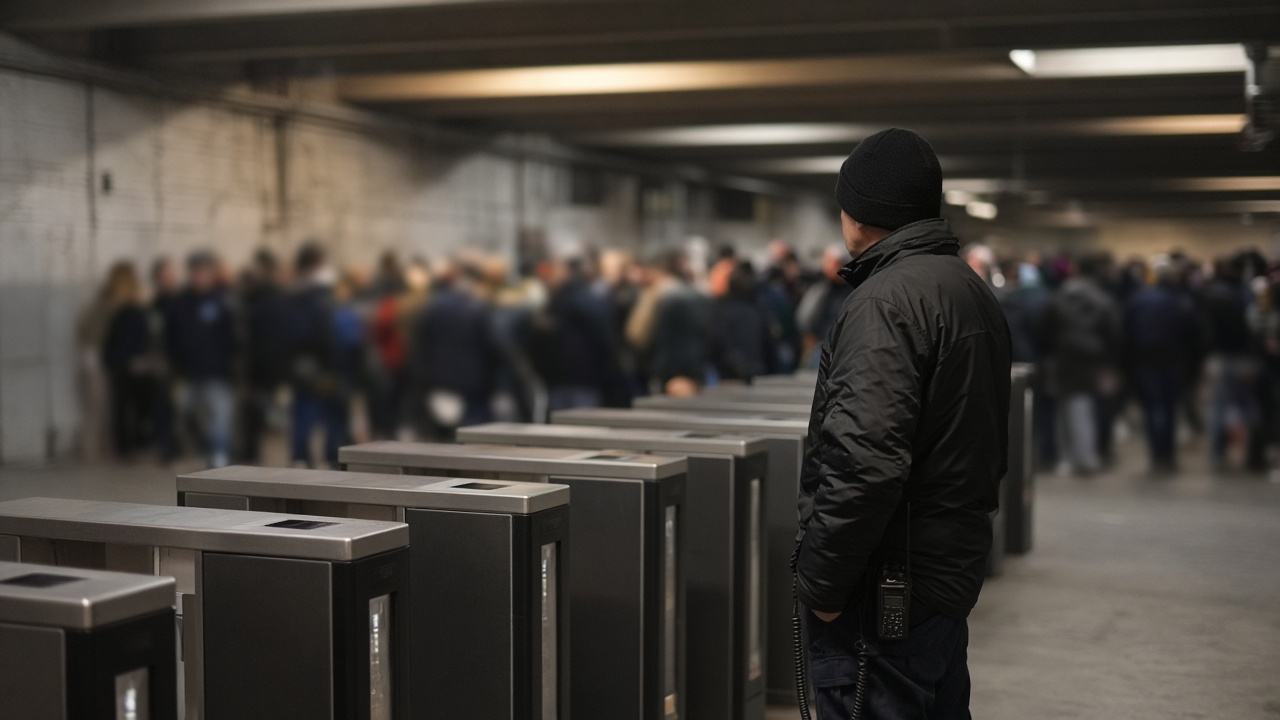
Promoters affiliated with Johnny & Associates opened Arashi’s Tokyo Dome arena leg Thursday with arena-wide warnings against third-party QR ticket listings, as Ren Takahashi’s entertainment desk tracked turnstile identity checks and fan-club ballot rules designed to keep official sales inside verified apps—not payment links forwarded on messaging platforms after the group’s reunion tour sold out primary windows in minutes.
What promoters told fans
Pre-show advisories displayed on venue screens and official tour pages said QR codes presented at gates must match purchaser accounts tied to fan-club ballots or authorized resale partners—anything else may be invalid or copied from screenshots. Staff at Tokyo Dome concourses rehearsed manual review queues for mismatched names, a labor line item tour economics hide behind gross headlines but matter when reunion demand spikes post-holiday travel.
National Consumer Affairs Center materials Takahashi chips remind buyers that unofficial resale sites often demand bank transfers or prepaid cards with no chargeback path—patterns Metropolitan Police cybercrime pages flag during major concert seasons.
Why QR tickets need discipline
Digital tickets speed entry but clone easily when buyers share screen recordings. Promoters rotated dynamic QR refresh intervals for premium seats while keeping static codes for general admission—a split that confuses fans accustomed to screenshot wallets. Entertainment desks treat scam warnings as consumer-protection process, not allegations against named sellers police have charged.
Japan Live Entertainment Association guidance urges venues to staff help desks before doors open so elderly fans do not learn validity rules at turnstiles; Tokyo Dome added bilingual signage Thursday after overseas visitors arrived straight from Silver Week flights.
Box office economics
Reunion tours concentrate merchandise and sponsor activations in opening weekends; invalid tickets do not just block entry—they delay concession revenue and inflate complaint volumes call centers measure. Promoters absorb overtime for gate staff because social posts about rejected codes spread faster than set lists.
What fans should verify
Start from promoter URLs bookmarked before search ads appear; never pay strangers who promise “last-minute QR” delivery on chat apps. If a code fails at the gate, use on-site help desks—not sidewalk brokers offering replacements.
Takahashi will chart attendance and gate rejection rates if promoters release them; until then, the story is documented warnings and venue process as the tour’s first Dome nights run under fraud-season vigilance every major Japanese act now plans for.
Labor and accessibility
Usher unions asked for clear break schedules when manual ID checks extend queues; promoters added water stations in exterior lines to reduce heat issues while fans wait. Subtitle screens and audio loops repeated scam warnings—dull repetition that beats one viral clip about forged codes.
Entertainment measure is paid seats honored at scanners, not social impressions: Arashi’s Dome open is also a test of whether Japan’s QR-first ticketing culture can keep reunion hype from becoming chargeback chaos.