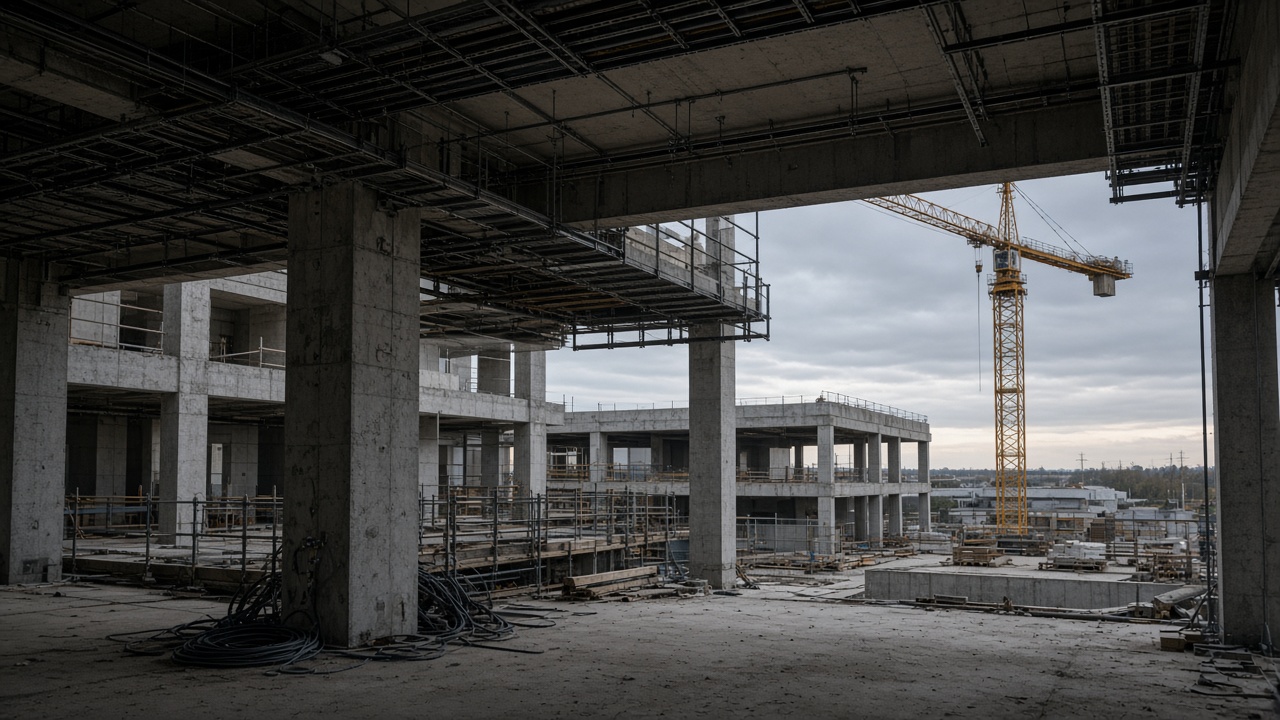
Reserve Bank of Australia governor Michele Bullock used her CEDA fireside chat in Sydney on 22 September to draw a line between AI’s long-run productivity promise and its near-term inflation footprint. Australia is investing heavily in data centres, housing and energy transition projects, she said, but there is scant evidence yet that frontier models are expanding supply capacity. Instead, the AI build-out is competing for labour and construction inputs while the economy is already running with excess demand.
Demand before supply
Bullock told the Committee for Economic Development of Australia audience that central bankers worldwide treat AI as the “great white hope” for productivity, yet see little supply-side impact so far. In Australia’s sequencing, data-centre cranes are arriving before measurable efficiency gains in services or manufacturing. She linked that imbalance to tighter job markets and wage pressure, reinforcing her view that unemployment may need to sit between 4.5 and 5 per cent to cool inflation.
The Guardian reported she also warned that a messy deflation of AI valuations could itself become a macro shock, even as policymakers grapple with energy-driven imported inflation. That reads as a dual mandate problem: encourage digital investment without letting capex booms re-ignite domestic price setting ahead of the 28–29 September board meeting where markets expect a hike to 4.6 per cent.
Financing the build
ABC News cited an RBA staff note showing Australian-focused operators raised at least $35 billion this year, up from $24 billion in all of 2025. Debt accounted for about 85 per cent of new funding—higher than US estimates—meaning rate-sensitive borrowing is underwriting GPU halls in Sydney and Melbourne corridors. Bullock’s speech paired with that analysis suggests the board is watching whether the boom overshoots and keeps inflation sticky even if oil shocks fade.
Housing trade-offs
During the CEDA Q&A, Bullock acknowledged data-centre demand may pull electricians and concrete crews away from residential construction—a political sore point while housing affordability dominates Canberra debates. AI policy therefore intersects with inflation not only via power prices and equipment imports but via skilled trades diverted from apartments to hyperscale shells.
What the RBA will watch next
August minutes already flagged disorderly unwinds in AI investment as a tail risk. Bullock’s public comments make clear the near-term bias: until productivity shows up in measured output per hour, the RBA will treat AI capex as aggregate demand. For markets, that cements rate-hike expectations and keeps infrastructure-linked equities in the same conversation as oil and wages heading into board week.
ABC’s Tuesday markets live blog paired Bullock’s CEDA remarks with a firmer ASX session as investors digested her labour-market and AI comments together. The RBA speech transcript shows Bullock engaging directly with CEDA chief executive on whether digital investment converts to productivity within a decade—a horizon longer than the board’s quarterly inflation forecasts but central to why policymakers tolerate capex booms skeptically.
Energy inputs for data centres also intersect with Australia’s grid debate: new halls require firm power contracts and backup generation, feeding into the same inflation conversation Bullock had about imported fuel. AI policy advocates in Canberra may cite long-run gains, but the governor’s Sydney appearance gave traders a near-term script: demand shocks first, supply shocks maybe later.
CEDA hosted the event at the Fullerton Hotel on 22 September, signalling that business leaders—not only traders—are being briefed on the sequencing problem before the board’s rate decision. Bullock’s repeated references to overseas colleagues suggest G20 central banks are comparing notes on whether AI investment is repeating dot-com capex patterns with sharper energy intensity.
Staff analysis showing debt-funded data-centre builds also matters for financial stability watchers: if borrowing costs rise while GPU demand cools, refinancing cliffs could hit operators that pledged Australian land and power without long-term tenant contracts. Bullock did not predict a crash, but she left room for a disorderly repricing to feed back into growth—a risk the board will weigh beside September CPI components tied to construction wages.