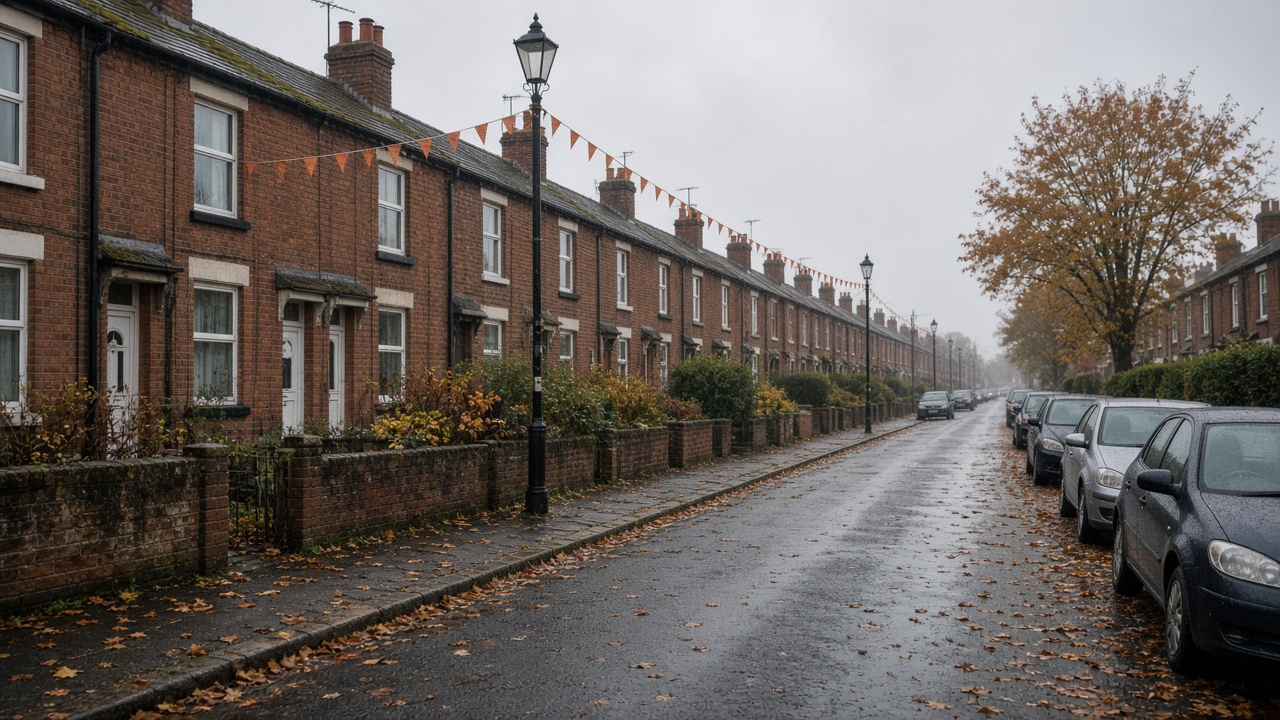
The Parades Commission has cleared the Orange Order to complete its return walk along the Garvaghy Road in Portadown, the first time the contested route has been permitted for the Drumcree parade since 1998.
The determination was issued on Friday, after the High Court quashed the Commission's earlier decision and returned the question to the statutory body. A legal challenge is listed for Saturday, so the parade could yet be halted before it moves.
What the Commission decided
The determination permits the return leg along the Garvaghy Road and sets out the conditions attached to it, including the size of the participating party and the conduct expected of those taking part. The Commission does not police its own decisions: enforcement falls to the Police Service of Northern Ireland, which must now plan for a route it has spent three decades managing as a flashpoint.
The Commission is a small statutory body created by the Public Processions (Northern Ireland) Act 1998. Its members are appointed by the Secretary of State and its determinations bind organisers and the police alike. Its first high-profile ruling, in July 1998, barred the Drumcree parade from the Garvaghy Road and set the pattern for a generation of standoffs. Friday's decision reverses that inheritance.
The legal timetable
Friday's determination is not the end of the process. A challenge is listed for Saturday, and the courts have moved quickly on parading cases before. If a judge intervenes, the matter returns to the Commission, which would have to re-determine on a compressed timetable. If the determination stands, the question shifts to operational planning: how many officers are deployed, which roads close, and how long the route stays open.
That timetable compresses everything into a single weekend: a determination on Friday, a courtroom on Saturday, and a contested road at the end of it.
Reaction
The Prime Minister, Andy Burnham, urged people to work calmly after the decision, framing the moment as one for restraint rather than celebration on either side. Dublin issued a similar appeal, with the Irish Government saying it was watching developments closely and asking community leaders to keep lines of communication open.
Sinn Fein described the ruling as reckless, arguing that the Commission had prioritised the parade over the residents of the Garvaghy Road. Alliance appealed for calm and for the determinations process to be respected while the legal challenge runs its course.
What happens next
Community groups along the road have spent the week in meetings with police liaison officers, while the PSNI has been planning for protests, counter-protests and disruption to traffic across Portadown. The operation is expected to draw officers from across Northern Ireland, and the cost falls on a force already managing a crowded calendar.
For the Orange Order, the ruling is a long-sought institutional win: the argument that the route is a matter of civil liberty rather than concession has now been accepted by the body that once rejected it. For residents' groups, the decision confirms a fear they have carried since the 1990s, that the Commission's calculus has shifted.
For the Commission itself, the next quarter is a test of authority. A determination that survives court scrutiny while the road stays quiet would strengthen its standing. A determination that is overturned, or that produces disorder the police cannot contain, would put the parading framework back in front of ministers and, potentially, the Assembly.
Papers filed on Saturday will set the shape of the weekend, and, if the challenge succeeds, of the next round of determinations.