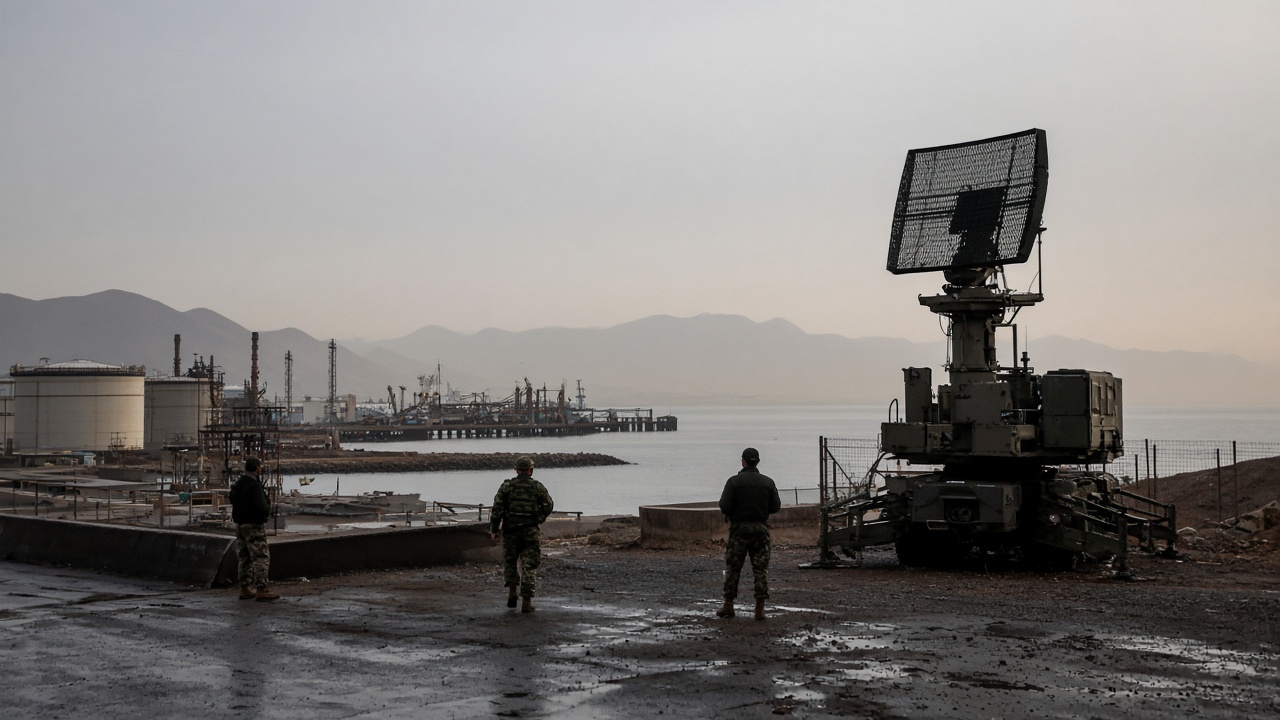
Breaking — France is sending troops, radar systems and air-defense assets to Yanbu, the Saudi Red Sea oil terminal, after Houthi missile attacks targeted Saudi Aramco sites, according to Euronews and Al Jazeera. The deployment, announced by French President Emmanuel Macron, marks a direct French military role in protecting infrastructure that carries Saudi crude away from the Strait of Hormuz.
Saudi Arabia said its forces intercepted six ballistic missiles fired by the Houthis in Yemen on 25 September, Reuters reported. The intercepts came as the Iran-aligned group pressed a new wave of attacks on Saudi energy and transport targets. Aramco has not reported damage to Yanbu operations, but the strikes have put the terminal and its export loadings under heightened alert.
Why Yanbu matters
Yanbu sits on the Red Sea coast, west of the kingdom. It anchors the East-West Pipeline, which can move crude from eastern oilfields to Red Sea export terminals, allowing Riyadh to ship oil without passing through the Strait of Hormuz. That makes Yanbu a pressure point not only for Saudi export capacity but for global oil markets already watching for supply shocks. Brent crude spiked as traders assessed the risk to Red Sea flows.
France's contribution is expected to include soldiers, radars and air-defense systems, though Paris has not published a full force size. The support follows appeals from Saudi Arabia and its allies for help in shielding critical infrastructure. The French role is defensive, officials have framed it as protecting a vital energy corridor rather than joining offensive operations.
Mecca pact allies convene
Military chiefs from the Mecca pact — Saudi Arabia, Pakistan and Turkey — are meeting as the attacks intensify, Al Jazeera reported. The coalition was formed around shared security commitments, and the Yanbu strikes have given its members an immediate test. The talks are expected to focus on air defense, intelligence sharing and maritime security in the Red Sea, not on a new diplomatic channel with Iran.
The timing reflects a broader shift in the region's security map. For years, Gulf states relied on U.S. naval power and bilateral arrangements to keep oil moving through Hormuz. The Houthi campaign is forcing them to harden alternate routes. Yanbu's terminals, pipelines and desalination plants are difficult to defend from ballistic missiles and drones, and a successful strike could disrupt exports even if the wider strait remains open.
Saudi officials say they will continue to respond to attacks. The Houthis have repeatedly targeted Saudi sites during the war, and the group's missile and drone campaign has forced Riyadh to reinforce defenses across the kingdom.
The next 24 hours will show whether France's deployment is a one-off reinforcement or the start of a sustained allied presence on Saudi's west coast. For oil markets, the question is simpler: whether Red Sea export capacity can keep running while missiles fly.