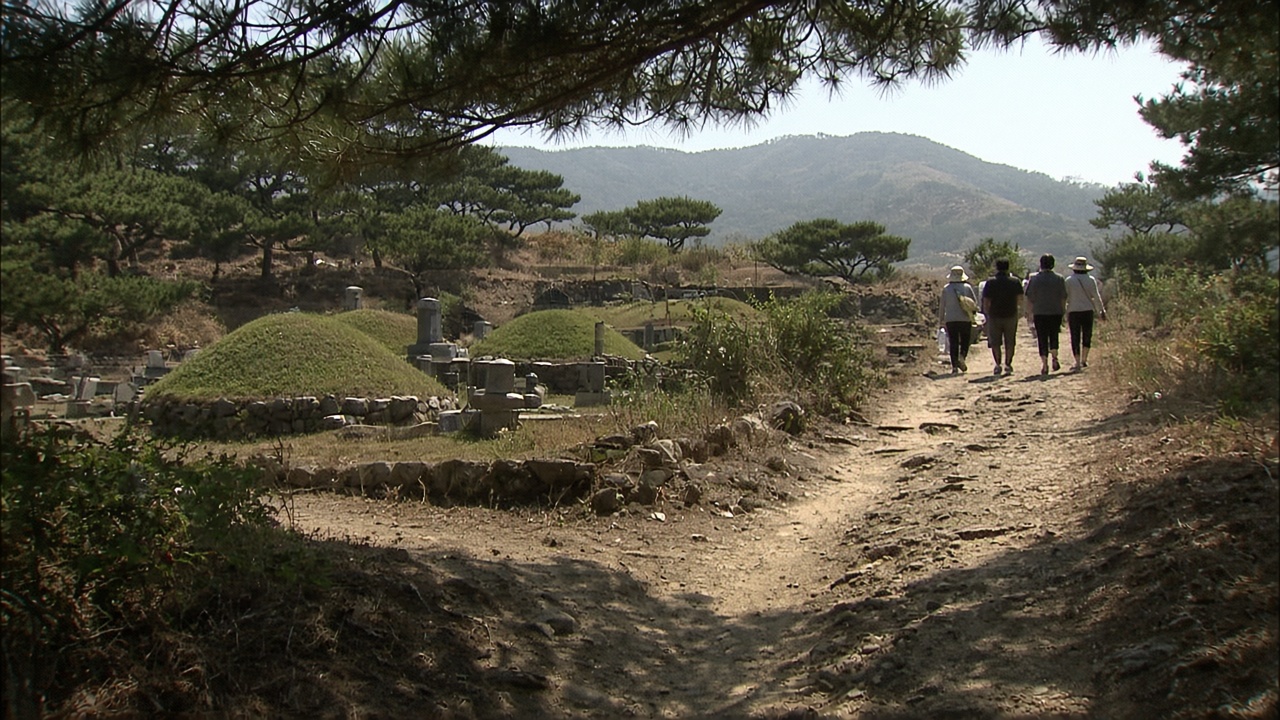
The Korea Disease Control and Prevention Agency issued a regional heat-illness advisory Thursday for grave-site rituals across Gyeongsang provinces as Chuseok visits peak, telling families to schedule weeding and incense work before noon and to treat dizziness during hillside climbs as a signal to stop—not a holiday inconvenience to push through.
What KDCA cited
The agency's bulletin, posted on its heat-illness portal, references emergency-room counts from last Chuseok in Busan, Ulsan, and Daegu hospitals: heat-related visits rose sharply between 1 p.m. and 4 p.m. on grave days, with a plurality involving adults over sixty who had skipped water breaks during bowing sequences. KDCA did not claim a controlled trial; it aggregated triage codes hospitals voluntarily report—a limitation Eunji Shin's health desk notes when readers ask for absolute risk percentages.
Meteorological offices forecast afternoon heat indices near thirty-four degrees Celsius in inland Gyeongbuk valleys Saturday and Sunday, with humidity that slows sweat evaporation on exposed slopes where shade trees were trimmed after typhoon damage earlier this month.
Advice for grave sites
KDCA tells visitors to bring shaded rest breaks, share heavy lifting among younger relatives, and avoid alcohol until rituals end— a cultural friction point during ancestral rice-wine offerings, which the agency says can dehydrate faster than families expect when combined with direct sun. Local community health centers in Gyeongnam said they would extend afternoon hours for blood-pressure checks near popular cemetery access roads.
What this means in waiting rooms
Heat stroke admissions already ran above the five-year average in parts of the southeast this summer, according to KDCA's weekly surveillance chart. Chuseok adds a predictable bump: long drives, heavy meals, then strenuous outdoor work. Eunji Shin's lens is absolute burden—one extra ER visit is one family whose holiday ends in an IV line, even if population risk stays modest.
Limits readers should keep
The advisory is preventive, not a ban on rituals. KDCA is not ordering cemeteries closed; it asks families to plan like they would for a hiking day. If symptoms appear—confusion, hot dry skin, or collapse—call 119 before finishing the rite. For policymakers, the bulletin is a reminder that holiday culture and climate stress collide every autumn; for Gyeongsang readers, it is a schedule nudge, not a sermon.
Regional coordination
Busan city disaster offices said they would keep misting tents near popular hillside cemeteries through Sunday, a measure borrowed from summer festivals. Gyeongbuk provincial hospitals listed extra IV fluids on emergency carts—not because admissions are guaranteed, but because last year's holiday surge emptied pediatric bags faster than weekday averages. Eunji Shin's desk treats those logistics as the real-world translation of KDCA's percentages: capacity planning, not fear marketing.
Pharmacies near Ulsan industrial districts reported higher sales of oral rehydration salts Wednesday, a soft indicator that some families are heeding the bulletin early. KDCA said it will update the portal if heat indices exceed forecasts, but it will not issue a nationwide alert unless other regions match Gyeongsang conditions.