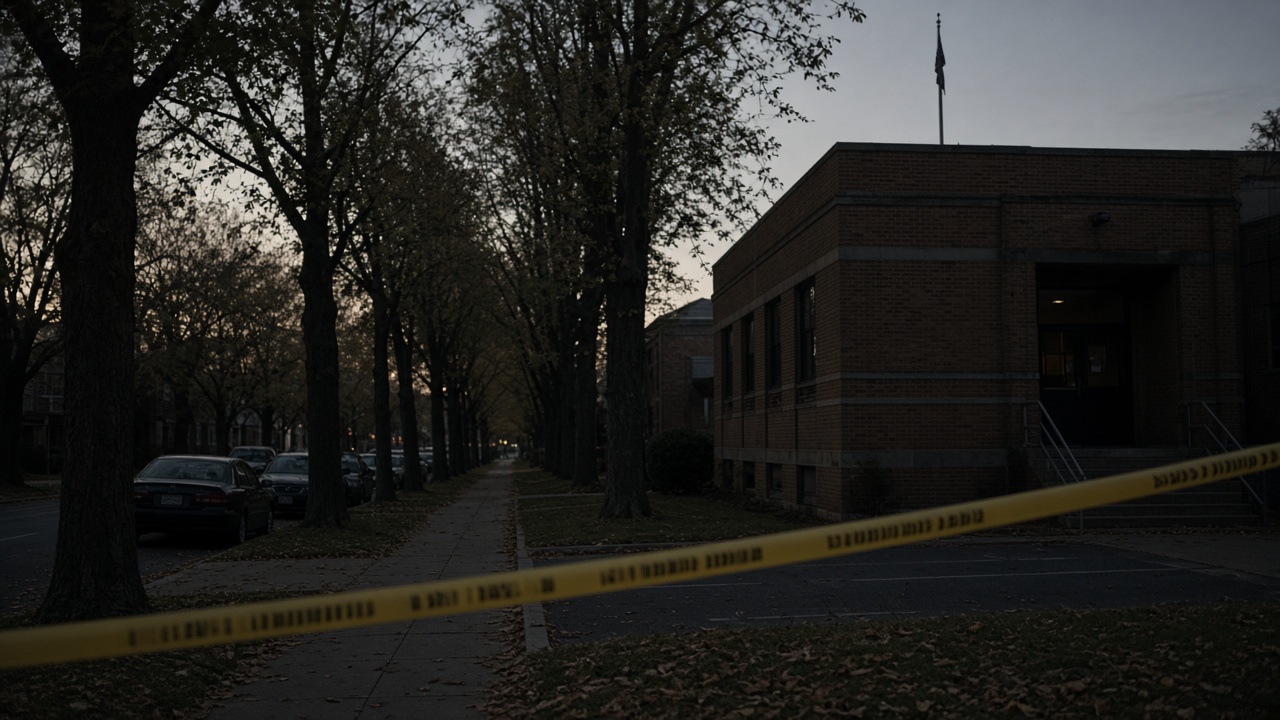
New South Wales Police identified 24-year-old constable Mia Lay as the officer killed when a marked patrol car crashed into a tree on Gibbons Street in Redfern about 1:30 a.m. Friday. Lay died at the scene; a male colleague was hospitalised in stable condition. Commissioner Mal Lanyon said the crew was travelling under lights and sirens to a reported vehicle theft in Glebe when the car split in half on impact, metres from Redfern Police Station.
What police have confirmed
Lanyon told a Friday media conference that the officers were responding to an urgent call when the single-vehicle crash occurred in Sydney’s inner west. Police established a crime scene and declared a critical incident, triggering an investigation by the Professional Standards Command with oversight from the Law Enforcement Conduct Commission. Authorities have not released the surviving constable’s name.
NSW Police Minister Yasmin Catley described Lay as an “enthusiastic” young officer whose death was “heartbreaking news.” Premier Chris Minns said the force would grieve collectively, noting that police “put themselves in harm’s way to keep the rest of us safe.” Opposition Leader Kellie Sloane said Lay was working while most of the city slept, protecting the community.
The scene at Redfern
Residents near Gibbons Street reported hearing the impact before dawn. Vision from the area showed emergency services working around a severely damaged police vehicle wedged against a tree trunk. The proximity to Redfern Police Station meant colleagues were among the first responders—a detail that amplifies the emotional toll inside the command.
Investigators will reconstruct speed, road conditions, and whether other vehicles were involved. Early briefings emphasised that the crash happened during an active response, not a routine patrol, which affects how the critical-incident protocol applies to statements and access to body-worn camera footage.
Critical incident process
Under NSW rules, any death involving police operations triggers external scrutiny. The Professional Standards Command examines whether policy was followed; the LECC can monitor the investigation’s independence. Families of officers killed on duty are assigned liaison officers, and psychological support teams were dispatched to commands Lay had worked with since graduating from the academy.
Parliament is not in session Friday, but ministers flagged that condolence motions and a possible coronial inquest lie ahead. Coronial findings could take months and may examine vehicle maintenance, training for emergency driving, and dispatch instructions from the night of the crash.
Community response
Floral tributes appeared outside Redfern Police Station by mid-morning. Social media accounts associated with local rugby and community groups shared messages for Lay’s family. Police unions urged the public to avoid speculation about fault while the critical incident runs.
For the politics desk in Canberra and Macquarie Street, the immediate calendar item is support for the force and the family, not legislation. Longer term, opposition spokespeople may ask whether pursuit policies need review, but no party moved Friday to change road rules before investigators file interim reports.
What happens next
NSW Police promised updates when the surviving officer’s condition allows and when crash reconstruction teams complete initial measurements. Commissioner Lanyon asked media to respect the family’s privacy while identifying Lay so the public could understand the human cost.
Until the investigation publishes facts on speed, communications, and mechanical factors, the knowable story is the loss itself: a 24-year-old constable killed on Gibbons Street during an emergency run to Glebe, a colleague injured, and a city waking to mourning at one of its most recognisable stations.