Mitsubishi Heavy Industries Ltd outlined a staged export timeline for factory-built small modular reactor modules after a U.S. utility engineering team visited its Yokohama campus this week, saying overseas shipments hinge on U.S. licensing milestones, Japanese fabrication slots, and port handling METI lists in its nuclear export talking points. Kenji Watanabe’s business desk reads the briefing as commercial choreography—not a signed reactor order—meant to show American partners how MHI would sequence module delivery if a customer advances beyond site studies into front-end engineering.
What the visit covered
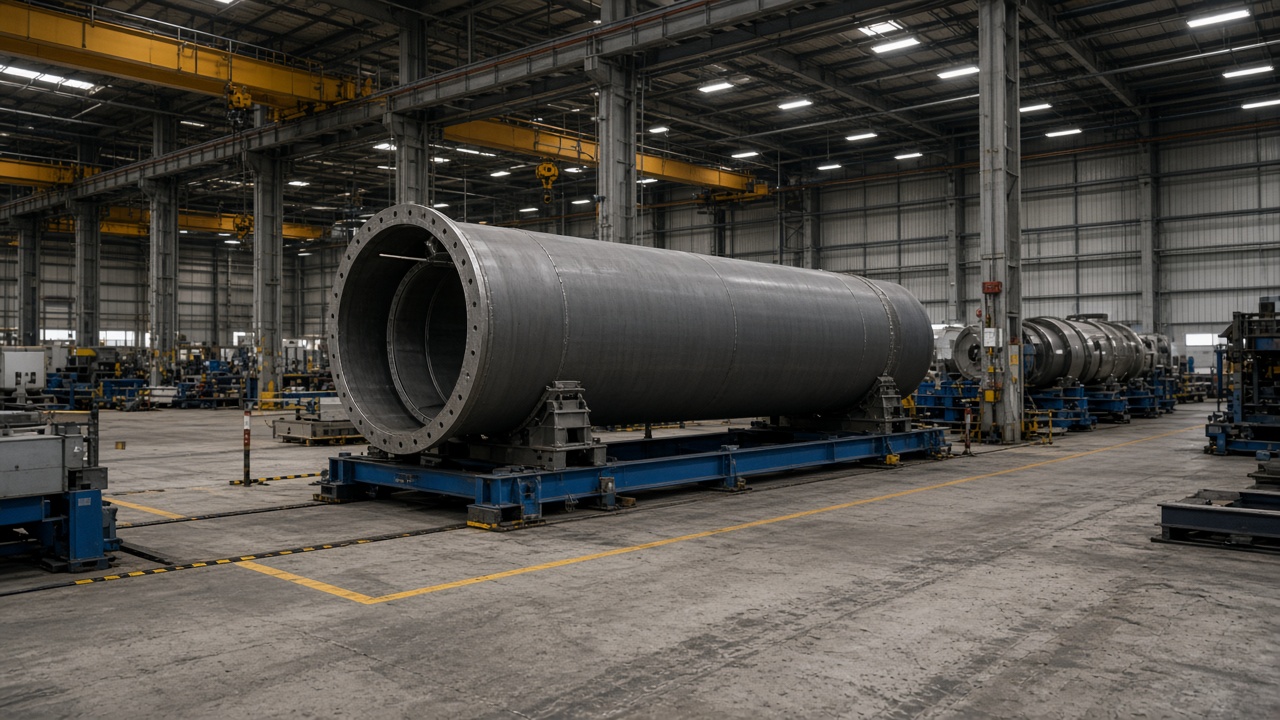
Company materials described walkthroughs of modular assembly bays, quality documentation for pressure-boundary components, and logistics rehearsals for heavy-lift moves from Kanto industrial ports. The visiting utility was not named in disclosures reviewed for this article; MHI framed the trip as technical exchange on constructability, outage windows, and supply-chain redundancy rather than tariff or power-purchase terms.
Domestically, MHI positions its SMR concept as complementary to large light-water projects and restart work at existing sites. Export conversations intensified after Tokyo and Washington deepened civil nuclear cooperation language in bilateral industrial forums, even as each market keeps its own regulator in the chair.
Export timeline in plain terms
MHI’s outline splits into three public phases: design alignment and licensing support in the customer country; long-lead forge and module fabrication in Japan; and marine transport plus on-site integration windows the utility must reserve years ahead. The company did not publish calendar dates tied to a specific U.S. project—only that module export could begin only after the customer’s safety evaluation accepts MHI’s manufacturing quality program.
That sequencing matters because SMR economics depend on factory repetition. A single export batch without follow-on orders raises unit costs and strains subcontractor benches MHI shares with defense and shipbuilding lines.
U.S. licensing as the gate
American utilities cannot import operating modules without NRC acceptance of the design and site-specific licenses. MHI’s team emphasized joint document packages—probabilistic risk assessments, manufacturing process records, and transport accident analyses—that must satisfy both Japanese export controls and U.S. import reviews. The NRC’s advanced-reactor docket remains the pacing item; site visits in Japan do not substitute for commission hearings.
For investors, the signal is pipeline depth: MHI gains option value if a U.S. partner advances, but revenue recognition stays years out unless engineering services contracts convert to equipment orders.
Japanese industrial policy backdrop
METI treats nuclear exports as strategic alongside hydrogen and grid equipment, linking SMR pitches to domestic supply-chain jobs in forgings, instrumentation, and cybersecurity services. A weak yen helps quoted export prices but raises imported alloy costs—a push-pull Watanabe watches in heavy-industry margins already exposed to shipbuilding cycles.
Competitors including Hitachi-GE alliances and overseas SMR vendors court the same U.S. utilities; MHI’s Yokohama showcase is partly differentiation on modular factory discipline learned from LNG plant modules and aerospace structures.
What would move the stock narrative
Equity reaction to SMR roadshows is usually muted until purchase orders or consortium memoranda name a site and capacity. Falsifiers include a U.S. partner pivoting to another vendor, NRC requests for redesign that idle Japanese fabrication, or METI domestic priorities that cap export component share during reactor restarts at home.
MHI’s conglomerate valuation still rides on gas turbines, defense, and aircraft programs; nuclear export timelines are long-dated call options, not near-quarter earnings drivers.
Port and fabrication constraints
Heavy modules need dedicated berths, rail or barge links, and insurance bands few Japanese ports advertise publicly. MHI’s logistics slides referenced rehearsed routes without naming terminals—competitive sensitivity when only a handful of yards can clear superloads.
Labor is another choke point: welders and nuclear-quality inspectors compete with ship repair backlogs along the Pacific coast. Export campaigns assume apprenticeship pipelines METI and utilities fund through vocational partnerships.
Customer diligence checklist
U.S. municipal and cooperative utilities evaluating the visit should ask for forge traceability samples, module mock-up outage plans, and explicit milestones where payments shift from engineering to manufacturing. Japanese ministries will want end-user statements that reprocessing and safeguards align with bilateral agreements.
For Japan Inc watchers, the story is whether MHI converts diplomatic nuclear enthusiasm into booked module slots—or remains a tour guide for regulators still years from groundbreaking abroad.
Bottom line
The U.S. utility site visit did not announce a reactor sale; it mapped how MHI would export SMR modules if licenses and contracts align. Until NRC and customer boards catch up, the timeline is a feasibility story for heavy industry—not a quarterly beat.