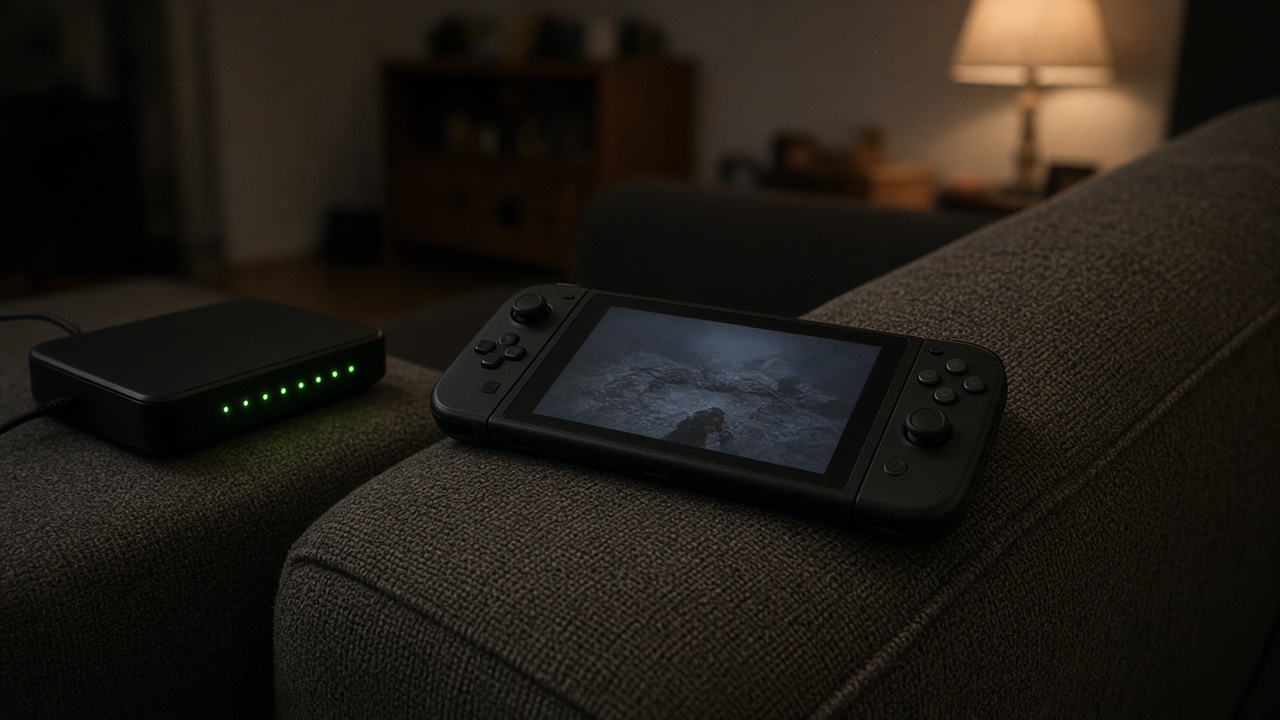
Nintendo Co Ltd published a technical review of Nintendo Account login outages that frustrated Silver Week handheld players when holiday Wi-Fi and mobile hotspots concentrated authentication traffic on its identity stack. Haruto Suzuki’s technology desk notes the company attributed failures to capacity and maintenance sequencing—not a reported data breach—while pledging clearer status communications and authentication scaling before year-end travel peaks when Switch-family devices return to trains and airports.
What players experienced
Social timelines and operator forums logged error codes when users tried to sign into digital shops, online multiplayer hubs, and parental-control dashboards simultaneously across multiple household consoles. Outages were intermittent rather than a days-long blackout, but timing through a domestic holiday amplified frustration when families expected uninterrupted co-op sessions.
Nintendo’s review acknowledged overlapping maintenance on identity services and higher-than-forecast session opens after travel days—patterns familiar to any cloud login spike, though brand trust suffers more when children cannot access purchased titles.
Findings the company disclosed
Published summaries pointed to authentication queue saturation, retry storms from consoles auto-refreshing tokens, and insufficient granular status messaging—not compromised credentials or unauthorized database access in materials reviewed for this article. Nintendo recommended password hygiene anyway and said fraud monitors stayed at normal alert levels.
Remediation items include spreading maintenance windows, adding capacity for token validation, and publishing component-level status rather than generic “network trouble” banners.
Why holidays stress game logins
Handheld consoles move between home fiber, hotel captive portals, and smartphone tethering within 48 hours; each network change forces reauthentication. Silver Week clusters millions of domestic trips, synchronizing login attempts beyond typical weekday curves designed around school nights.
Digital game libraries are entitlement-bound to accounts; physical cartridges reduce but do not eliminate online checks for patches and parental controls—outages feel like ownership loss even when local play still works offline for some titles.
Security versus reliability framing
Players often confuse downtime with hacking headlines from other industries. Nintendo’s explicit non-breach framing matters for PPC expectations on timely incident disclosure; if forensic teams later find anomalies, the company would owe updates under Japanese privacy rules.
Suzuki advises households to enable two-factor authentication where offered, use device passcodes, and avoid reusing corporate emails for kids’ accounts—good practice regardless of this incident’s root cause.
Competitive and regulatory context
Sony and Microsoft face similar holiday spikes on their networks; Nintendo’s portable skew makes travel-week load unique. MIC cybersecurity guidance encourages game platforms to participate in national drill frameworks; outage reviews support audit trails even when no attacker is involved.
Investors treat network stability as retention infrastructure for digital margin; repeated login pain could nudge families toward physical software—slower revenue recognition but less account dependence.
What remains unverified
Third-party uptime monitors may quantify duration differently than Nintendo’s internal service-level metrics; independent confirmation of peak concurrent authentications was not published. Mod community claims about DNS or region routing are anecdotal until reproduced on controlled networks.
Future falsifiers include repeat outages during New Year travel if capacity upgrades slip— the review’s credibility hinges on execution before December.
Practical user steps
Download patches and verify licenses on home Wi-Fi before trips; carry physical carts for offline-first titles when possible; screenshot purchase receipts if disputes arise during downtime. Parents should note child account recovery emails before holidays, not during error screens.
Hotels with aggressive captive portals may block console login endpoints—travel routers or phone hotspots sometimes work when lobby Wi-Fi fails, a workaround unrelated to Nintendo’s fixes but common in forum threads.
Investor read
Network OPEX rises with authentication scale; Nintendo’s digital mix makes identity uptime as important as eShop merchandising. The post-mortem is operational transparency, not a guidance event—unless outages recur and drive refund chatter.
Bottom line
Nintendo’s login outage review blames holiday authentication load and maintenance overlap, not hackers—and promises harder capacity before the next travel crush. Players should plan offline entitlements; the company must prove status pages earn trust when queues fill again.