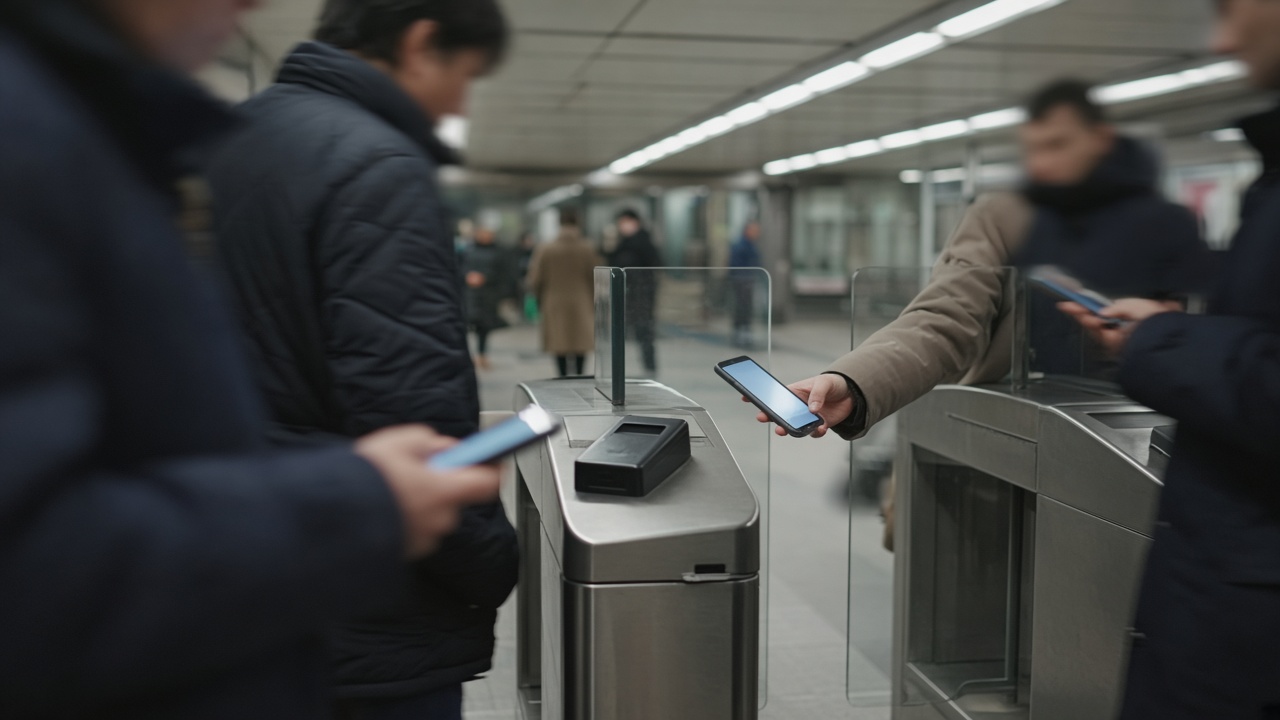
PayPay Card Co doubled the monthly points cap on QR-code transit taps through October’s heavy commute week, a limited campaign aimed at Tokyo subway and bus riders who link PayPay wallets to co-branded plastic after Silver Week travel volumes normalized. Yuki Sato’s credit-cards desk reads the promo as share-of-wallet fighting—not a permanent fee cut—because interchange economics on transit micropayments stay thin and issuers compete on rewards caps instead of headline annual fees.
What changed for cardholders
Marketing pages list a higher maximum points accrual on eligible QR transit charges when riders tap through PayPay-enabled fare gates and buses, provided the PayPay Card is the settlement instrument behind the wallet. The boost runs through October’s campaign window; standard accrual rates and merchant exclusions still apply on non-transit spend.
Caps matter because power commuters can hit monthly ceilings quickly when every Yamanote Line transfer codes as a separate tap; doubling the cap lets heavy users keep earning without switching to a rival co-brand mid-month.
Why transit QR is the battleground
Tokyo operators accelerated QR and open-loop pilots alongside traditional FeliCa cards. PayPay’s strength in convenience-store and small-merchant QR wants the same habit at fare gates—especially among smartphone-first workers who stopped carrying separate transit cards during the pandemic era.
Card networks view transit as top-of-wallet glue: riders who trust tap-to-ride adopt the same wallet for coffee and commuter passes. Issuers fund points from marketing budgets hoping interchange on other categories subsidizes unprofitable fares.
Fine print families should scan
Campaign terms typically require active PayPay Card accounts, successful wallet linkage, and taps on participating operators—not every regional railway joins every promo. Refunded or reversed fare charges claw back points; delayed gate reads can post out of order, confusing month-boundary tallies.
Households with multiple commuters need separate cards to maximize caps; supplementary cards may share a household ledger depending on product rules published in Japanese disclosures Sato recommends reading before assuming double caps stack per person.
Competitive context
Rakuten Card, MUFG card brands, and Saison offerings run parallel transit and mobile-wallet campaigns each autumn when university and office return traffic peaks. Differentiation is portal UX, real-time points display, and whether fare taps qualify for issuer-wide annual fee waivers.
Mobile Suica and PASMO remain defaults for many; QR promos target switchers, not entire market conversion.
Issuer economics
Transit micropayments earn low interchange; points campaigns chase lifetime value from commuters who also charge rent, utilities, and ecommerce on the same plastic. PayPay’s ecosystem advantage is closing the loop inside its app—statements show transit and convenience spend in one feed, helping retention when caps rise.
Financial Services Agency marketing rules require clear end dates and cap language; PayPay Card’s October window fits seasonal promo norms without triggering permanent liability concerns.
What would falsify the value
If gate failures spike—wallet timeouts during rush hour—commuters revert to plastic IC cards regardless of points. Technical falsifiers include operator maintenance windows that disable QR lanes exactly during campaign weeks.
Reward devaluation after October would anger acquisition cohorts; Sato watches whether standard caps snap back silently or with notice.
Regulatory and privacy read
Transit data linked to card rewards creates spending profiles MLIT and PPC guidance expect issuers to handle carefully; privacy policies should disclose analytics use. Commuters uncomfortable with profiling can use anonymous IC cards—promos are optional trade-offs.
Chargeback rights on fares differ from retail; mistaken taps usually route through operator refund desks before card disputes.
Household playbook
Link PayPay Card before October commute week, set app notifications for cap milestones, and keep a backup IC card when QR lanes queue during stadium events. Track points separately if employers reimburse transit—rewards are personal perks, not employer refunds.
For students returning to campus, verify university shuttle operators participate; suburban private railways sometimes lag Tokyo Metro QR acceptance.
Bottom line
PayPay Card’s doubled transit points cap is a timed commute-week lure in the QR fare wars—not a fare discount from operators. Heavy tap riders win; occasional tourists should not churn cards for marginal yen unless they already live in PayPay’s wallet.