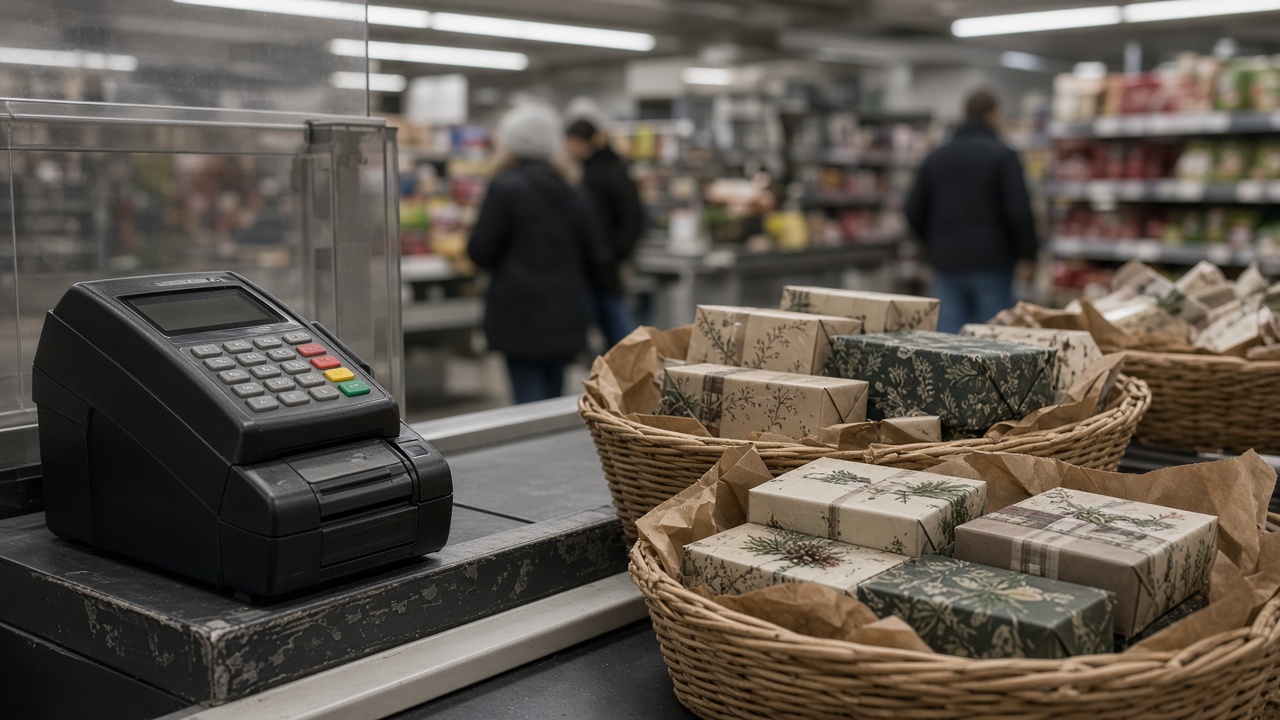
Shinhan Card Co. rolled out optional Chuseok spending alerts this week after internal aggregates showed predictable spikes in gift-set and traditional rice-wine charges around ancestral rite weekends, giving households a way to track holiday budgets without the issuer flagging individual cardholders for fraud review.
What the alerts actually do
Cardholders who opt in receive push notifications when category-coded spend crosses self-set won thresholds at department stores, traditional markets, and online grocers. Shinhan stressed the feature is voluntary and does not change credit limits or risk scores; it simply mirrors patterns the bank already sees in anonymized holiday dashboards shared with merchants planning inventory.
Yonhap reported that rice-wine and fruit-gift MCC clusters rose roughly in line with 2025 Chuseok levels through Tuesday, with Seoul and Busan showing the steepest curves as families bought ritual supplies before traveling. The alerts fire on aggregate category rules, not on whether a specific purchase is “unusual” for a given customer.
Why issuers care about holiday curves
Credit-card units earn interchange on ritual spending but also field call-center volume when spouses disagree about who authorized a large gift charge. Shinhan’s press page said the alert product reduces “bill surprise” disputes after the holiday, when statements close and autopay pulls from checking accounts.
The Financial Services Commission has encouraged transparent spend tools after prior holidays saw complaint upticks about duplicate marketplace charges, not criminal fraud. Shinhan’s framing aligns with that guidance: help households see totals early, rather than interrogate individual buyers.
Rice-wine and ritual supply patterns
Traditional makgeolli and cheongju purchases concentrate in late afternoon runs to neighborhood markets, while premium gift sets skew toward department-store cosmetics floors. Shinhan’s data team told the Korea Herald that online same-day delivery for jeon ingredients created a second mini-peak on the eve of travel, separate from in-store wine runs.
None of this implies wrongdoing by cardholders; it reflects predictable cultural spending. Shinhan said it will not share customer-level ritual purchase lists with third-party marketers, though aggregated category trends may inform co-brand promotions after the holiday.
Household money tips
Sooyeon Choi’s credit-cards lens: treat alerts as a shared-family ledger, not a police ping. Couples can set different thresholds on primary and supplementary cards, and disable alerts once Chuseok travel ends to avoid notification fatigue.
Missed payments still accrue purchase APR on revolving balances; alerts do not extend due dates. Cardholders financing large gift sets should confirm whether installment plans apply before assuming zero-interest holiday promos cover ritual wine and hanwoo bundles.
Competitive context
KB Kookmin and Hyundai Card offer similar seasonal budgeting nudges; differentiation is app UX and how thresholds map to subcategories. Shinhan’s twist is tying defaults to ancestral-weekend calendars rather than generic monthly caps.
For households balancing respect for tradition against September tuition bills, the product is a mirror held up before the statement arrives—not an accusation that holiday generosity is suspicious.
Statement timing and autopay
Shinhan’s billing cycle means many Chuseok charges land on September statements that close early next week, overlapping with tuition and hagwon fees. Alerts let primary cardholders ping supplementary users when gift runs exceed agreed family budgets, reducing post-holiday arguments at the kitchen table.
The issuer said it will not use alert opt-in rates as a marketing segmentation tool for high-limit upgrade offers during the holiday, addressing privacy advocates who worry behavioral nudges could become sales funnels.
Merchant cooperation
Department stores sharing co-brand data receive only anonymized trend lines—how many customers crossed ₩500,000 in gift cosmetics, for example—so buyers are not individually profiled for push ads mid-rite shopping. Shinhan plans a post-Chuseok blog post summarizing category curves without publishing customer ranks.
Cardholders who disable alerts after the holiday can still view category totals in the app’s spending tab, a fallback for users who want retrospective budgets without real-time pings during crowded market aisles.
Financial educators at community centers said they will demo the alert toggles at post-Chuseok seminars aimed at first-time supplementary card issuers for college freshmen returning home with family cards.
Shinhan’s call centers reported fewer “unrecognized gift charge” disputes on Tuesday than the same pre-Chuseok day in 2025, though causation is hard to prove with a pilot only days old.