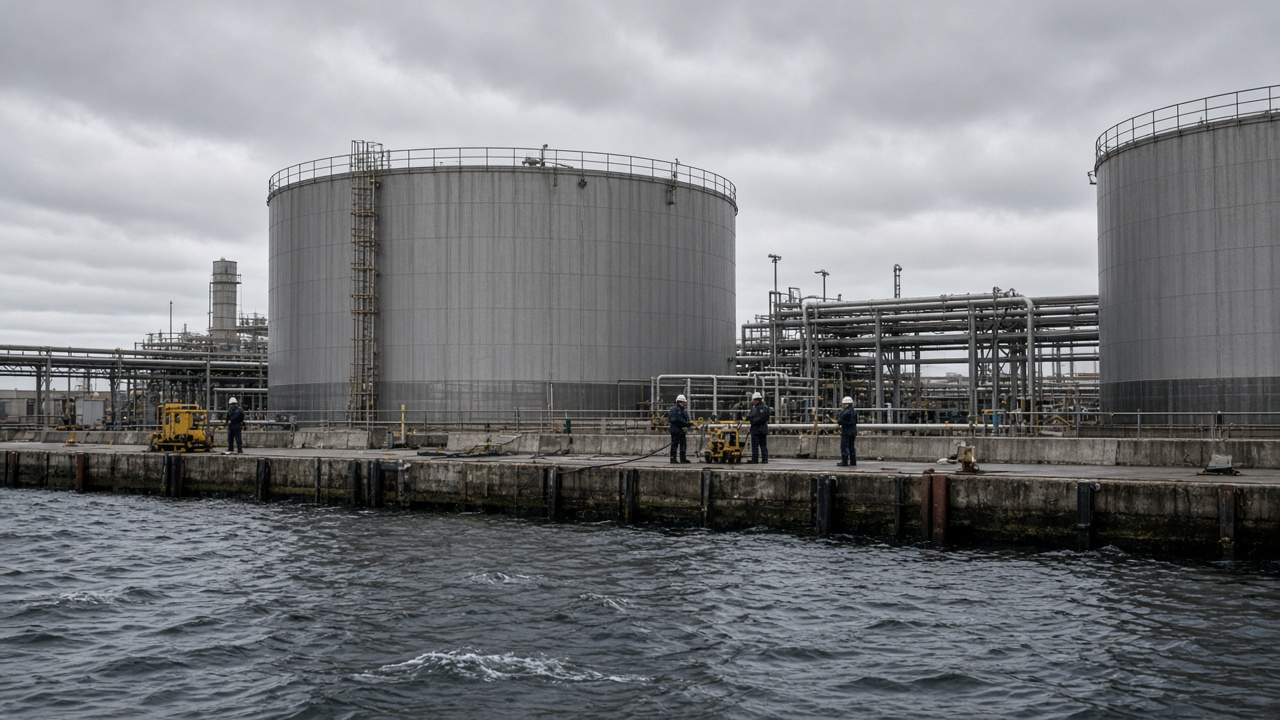
Singapore’s energy and chemicals heartland is running out of horizontal space faster than headline gross domestic product figures suggest. In a Sept parliamentary exchange tied to the new western island announced at National Day Rally 2026, the Ministry of Trade and Industry (MTI) said Jurong Island spans approximately 3,000 hectares, with less than one-third still available for development—and that remaining plots are already earmarked for specialty chemicals, sustainable materials, new-energy investments, decarbonisation hardware and low-carbon data centres.
Why “vacant” does not mean empty
MPs asked whether uncommitted Jurong land could host rally-scale industry before Singapore reclaims southern islands. MTI’s oral reply stresses operational reality: many open-looking parcels are interim—used for SolarLand deployments, laydown yards, or future pipeline corridors—not greenfield invitations for another cracker complex. JTC’s tender to solarise 60 hectares of temporarily vacant land and five rooftops will push Jurong’s solar capacity past 100 MWp, exporting power to the national grid while preserving above-ground acreage for higher-value chemical units.
Land intensification continues through plot-ratio negotiations, but MTI listed hard stops—need for waterfront berths, heavy equipment that cannot be stacked, and underground safety risks where hydrocarbons move through shared corridors. Jurong Rock Caverns, carved 150 metres below ground, store liquid hydrocarbons that would otherwise occupy dozens of football fields on the surface. That engineering win underscores why business planners cannot treat Jurong as an endless flat map.
What the remaining third is for
Jurong Island Version 2.0—MTI’s whole-of-government refresh—targets energy integration, feedstock optionality, logistics resilience and water circularity rather than sheer acreage growth. Global majors from Shell to ExxonMobil already anchor integrated sites; newcomers in sustainable aviation fuel or circular polymers need contiguous utilities, not scattered pockets. Low-carbon data centres, a growing slice of the vacancy queue, demand reliable power and cooling interfaces that must be planned beside live process units, not on distant reclaimed sand.
The Straits Times and trade press have tracked how Singapore positions the island as a sustainable energy and chemicals park under Green Plan 2030. Solar rollouts and innovation challenges are meant to squeeze more value from each hectare while emissions fall—policy that assumes land scarcity is permanent.
Business planning implications
For procurement and expansion desks, MTI’s answer is a capacity signal: expect longer site-allocation queues, more underground and vertical solutions, and higher diligence on safety cases when bidding for waterfront plots. Banks financing Jurong upgrades should model tenant concentration and utility interdependencies; a data-centre anchor beside crackers carries different risk than a business-park spec building in Tuas.
Competitors in Malaysia and Indonesia market greenfield islands; Singapore’s reply is that Jurong’s ecosystem—pipelines, shared utilities, talent pool—is worth more than raw hectares. Still, rally promises on a western island acknowledge that some strategic loads cannot wedge into the final third without displacing planned specialty-chemical growth.
Workers and households
Jurong’s industrial townships and West Coast residents feel land scarcity indirectly—more shift buses at peak, more maintenance contracts for ageing units, and continued hiring for technicians who keep decades-old assets compliant. Expansion without acreage means refurbishment and debottlenecking projects that keep local subcontractors busy even when no new jetty appears.
Link to western reclamation politics
MTI’s Jurong arithmetic does not by itself justify burying southern reefs, but it answers a business question: why government planners talk about a merged western island at all. Until Jurong’s remaining third is committed, the island remains full at the margin—specialty chemicals and low-carbon compute included—and Singapore’s petrochemical story shifts from “more land” to “smarter land,” with reclamation elsewhere carrying the overflow that cannot fit on 3,000 hectares of pipe racks and caverns.
Data-centre and hydrogen bids
Recent JTC briefings to investors note that low-carbon data-centre applicants must co-locate with reliable power and cooling interfaces—requirements that consume waterfront buffers once reserved for tank farms. Hydrogen and ammonia pilots compete for the same parcels MTI described as earmarked. For Wei Ling Tan’s business readers, the takeaway is lead time: securing Jurong space now means entering a queue measured in years, not quarters, which is why rally rhetoric on western reclamation landed in the same news cycle as MTI’s “less than one-third” line.