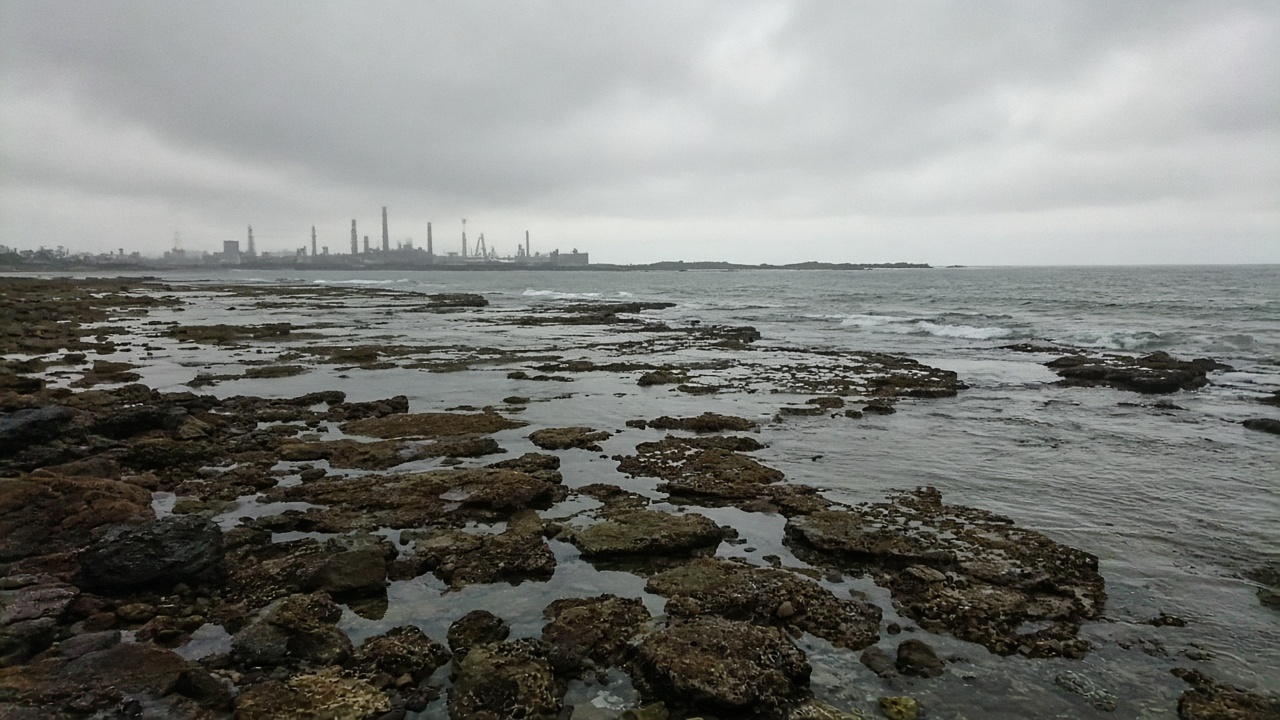
Three weeks after Prime Minister Lawrence Wong unveiled plans to merge several southern outlying islands into a larger western landmass for industry, energy and defence, Minister for National Development Chee Hong Tat returned to Parliament on Sept 8 with a deliberate blank on timing: the reclamation profile, construction methods and calendar for the western island are still undetermined. For politics readers tracking land use after the 2026 National Day Rally, the message is that the rally slide is a direction of travel—not a contractor’s notice to proceed.
What MPs asked after the rally
At least 15 Members of Parliament filed questions on both sides of the House about ecological loss, heritage links for Orang Pulau and Orang Laut communities, and whether Singapore should exhaust Jurong Island’s remaining plots before burying 8,000-year-old reefs. Chee’s written reply, circulated ahead of Thursday’s committee debates, stresses parallel workstreams: feasibility studies, site investigations, engineering and environmental assessments to understand geology, hydrology and biodiversity impacts before any profile is fixed.
The Straits Times reported that Chee committed to releasing an environmental study report for public feedback and weighing stakeholder input before plans are finalised. That mirrors the Long Island playbook—studies before main reclamation—even though the western project sits in different waters around Pulau Semakau, Bukom and Sudong.
Reef science enters the chamber
Nature groups and National University of Singapore marine scientists have warned that intertidal habitats across the southern cluster cover hundreds of hectares—more than half the Southern Islands’ intertidal footprint—and include some of the world’s most studied reef patches. Huang Danwei, director of the National Institute of Marine and Ocean Sciences, told media that directly burying those reefs offers no survival path; transplantation cannot replicate ecosystem services tied to ancient structure.
Chee acknowledged that existing lands and surrounding waters hold natural biodiversity and cultural significance for former island communities. He did not commit to a marine reserve boundary along the lines of the 2018 Singapore Blue Plan proposal, but promised continued engagement with nature groups, domain experts and descendants.
NParks mapping as baseline
Separately, the National Parks Board (NParks) tendered a 15-month satellite-mapping study to update coastal habitat charts from 2018—work that gained urgency after the rally announcement. Accurate baselines matter if policymakers later adjust reclamation footprints to skirt dense seagrass or carbon-rich mangroves. Mothership and ST both noted the study excludes Pedra Branca waters but covers the southern cluster where rally graphics placed the merged island.
For Chee, the mapping exercise supports his refrain that technical studies must precede political deadlines. Opposition MPs are less interested in process than in a published timeline; government backbenchers want clarity on whether defence and energy tenants could sit on existing Jurong land first.
Jurong as comparator
Ministry of Trade and Industry (MTI) oral replies in the same sitting noted Jurong Island spans about 3,000 hectares with less than one-third still vacant—earmarked for specialty chemicals, sustainable materials, new-energy projects and low-carbon data centres. Height, waterfront and underground safety constraints limit stacking petrochemical kit the way finance towers rise in the CBD. That answer is meant to explain why rally rhetoric on a western island is not a simple “use Jurong first” swap.
Politics of patience
Chee Hong Tat’s Sept 8 letter buys the government months of stakeholder sessions while activists organise reef walks and heritage petitions. Environmental study publication will be the next flashpoint: nature groups will scrutinise whether mitigation language repeats Long Island’s “minor impact” framing or confronts scientists’ immitigable-loss warnings head-on.
Until the reclamation timeline is fixed, the western island exists as a planning concept—strategic needs articulated, biodiversity risks named, and Parliament told explicitly that no contractor should assume a start date. Sarah Teo’s politics read: the rally promise is real, but the calendar is still blank, and reef queries are now part of the price of admission for any future profile release.
Watch for the environmental study’s publication date—when it lands on government feedback portals, Chee’s Sept 8 assurances will be tested against page counts on reef acreage and mitigation tables. Until then, “timeline still blank” is the only honest headline.