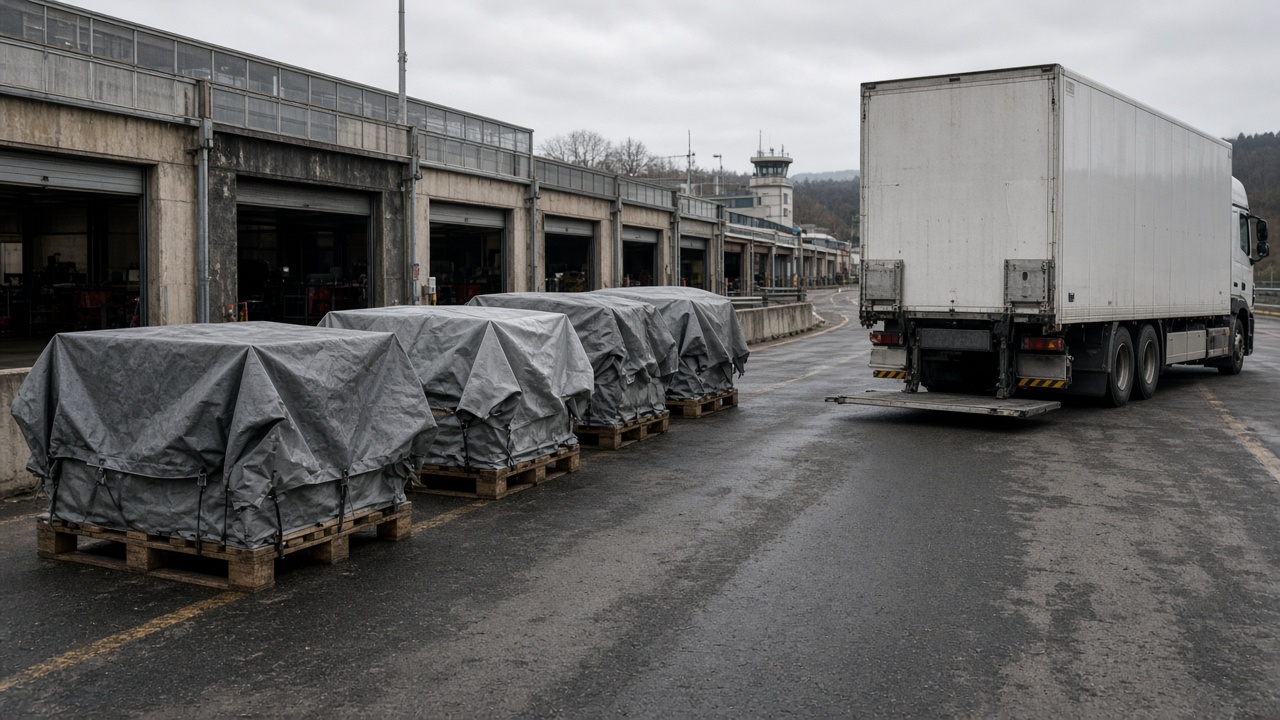
Suzuka Circuit logistics crews began receiving Formula 1 team freight and hospitality modules Thursday as Ise Bay container routes normalized after typhoon-season delays that had stacked chassis containers at Nagoya transshipment hubs—giving Asuka Mori’s sports desk a concrete calendar story on crane bookings, customs inspections, and local contractor shifts before October’s Japanese Grand Prix week collides with baseball postseason travel and national team football windows.
What moved on Thursday
Circuit officials said the first heavy trucks cleared Mie Prefecture port checkpoints with FIA-sealed cargo manifests, moving chassis kits and garage wall panels into paddock storage bays ahead of promoter walk-throughs. Freight forwarders told Mori’s sources that Ise Bay pilots resumed night transits only after hydrographic surveys confirmed channel depths post-typhoon runoff—explaining why some teams’ sea freight arrived days behind European air charters that beat the weather.
Local hire companies staffed forklift teams on split shifts; union notices require storm differential pay when loads arrive outside contracted windows—a labor detail buried under race promotion but central to whether setup stays on F1’s published build schedule.
Customs and homologation checks
Japan Customs maintains temporary import bonds for race equipment that must exit after the event; inspectors sample fuel and telemetry hardware against FIA homologation lists before items roll through Suzuka’s service roads. Delays at Nagoya yards this week tightened the margin between freight arrival and first gantry crane lifts—not a TV storyline until a garage opens late for media day.
FIA circuit delegates scheduled safety barrier inspections parallel to freight unloading so track workers do not compete for the same crane hours—a choreography Mori tracks because Asian swing races back-to-back leave no spare week to recover from a stuck container.
Regional economics
Mie hotels and rail operators publish race-week timetables months ahead; freight normalization lets hospitality villages finish power hookups before fan campgrounds open. Prefecture tourism offices count truck traffic as early indicators that typhoon disruptions will not suppress October occupancy the way 2019 typhoon cancellations did.
What fans should expect
Ticket holders will not see freight drama unless promoter apps announce construction holds on certain concourses; Mori advises planning hotel check-ins early because team motorhomes still queue on service roads when cranes overlap. Shinkansen baggage rules remain unchanged—spectator packs are not pit-lane cargo.
Suzuka’s October weather history includes typhoon tails; contingency plans call for elevated storage for electronics modules if another storm approaches during build week. Circuit press officers said they will publish delay notices if customs or weather compress setup—not speculative lap-time chatter.
League and federation context
Formula 1’s calendar positions Japan between Singapore and Qatar; teams prioritize Suzuka setup because practice data feeds wind-tunnel programs for the season’s final thirds. Domestic broadcasters lock remote-production trucks once freight clears—another hidden deadline Mori notes when asking whether local contractors get overtime caps lifted for sequential night lifts.
Japan Automobile Federation liaisons coordinate ambulance and fire routes with Mie police before spectator crossings open; those meetings proceed on schedule only if barrier freight is bolted down on time.
What this does not predict
Freight on time does not pick race winners or safety-car counts. It does signal that typhoon logistics did not knock Japan’s round off the internal build chart—a operational win sports editors should credit before hype reels start.
Mori will log container IDs and garage opening timestamps as teams post them; until then, Thursday’s story is heavy trucks on Suzuka service roads because Ise Bay routes finally looked like a Grand Prix week again.
Contractor and vendor chain
Catering vendors and temporary grandstand firms depend on the same crane windows as F1 garages; a four-hour slip cascades into missed rigging inspections. Suzuka’s procurement office prioritized power distribution units after typhoon salt spray concerns—a mundane checklist item that matters more than speculative driver transfers when October clocks start.
Local rail maintenance crews scheduled overnight track work away from race-week specials; Mori notes whether JR Central publishes extra Shinkansen capacity once freight convoys stop blocking grade crossings near the circuit access road.
Bottom line
Suzuka prepared for Formula 1 because Ise Bay lanes normalized and customs released sealed race cargo into Mie Prefecture on Thursday. The sports story is cranes, bonds, and union shifts—not podium guesses—until engines fire in October.