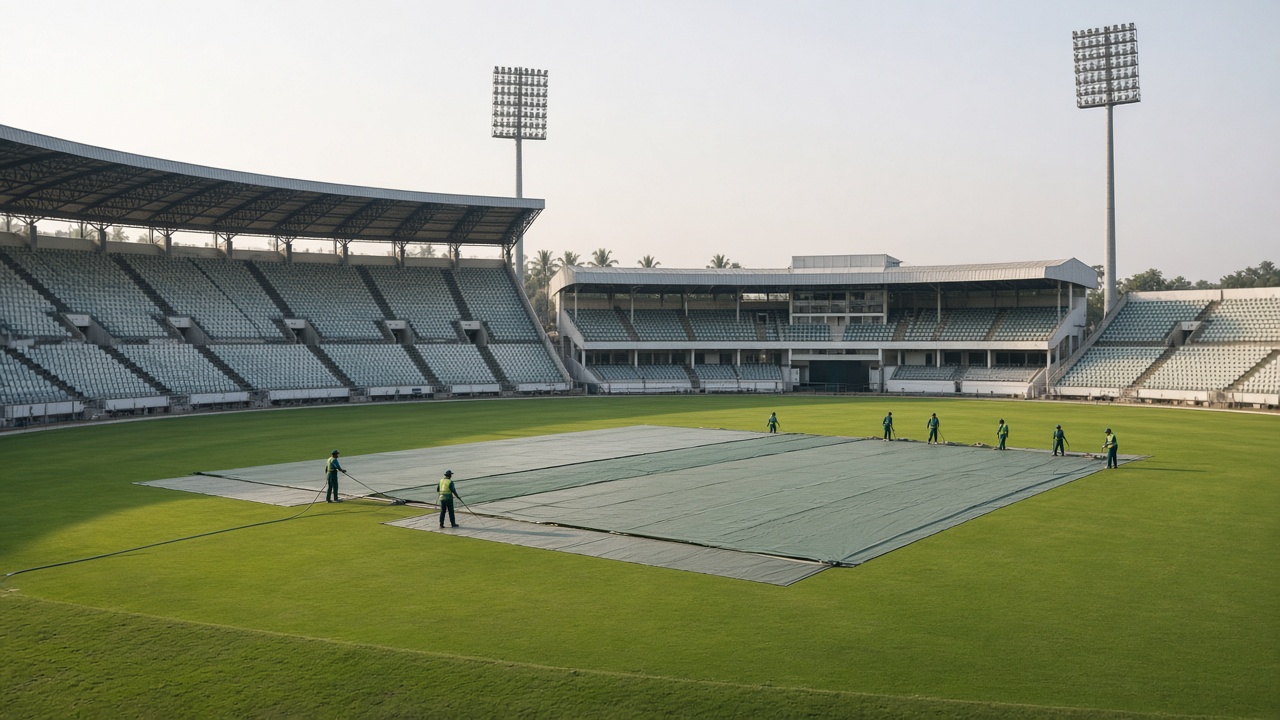
The BCCI has placed the first ODI of India's home series against West Indies in Trivandrum on Sunday, September 27, opening a 22-match home season spread across 17 cities. The fixture list, released by the board on September 25, makes the Kerala capital the first stop of the 2026-27 international calendar.
This is not an IPL recap. It is the start of the board's international home programme, and the first ODI is the clearest signal of how the season will be run: a packed calendar, a long travel map, and a national team that has to move from one format and city to the next. The opener is the first live test of that plan.
The opener
Trivandrum gets the first ball. The West Indies ODI series begins there on Sunday, and the BCCI's schedule puts the match at the front of a home season that will touch 17 cities. For the players, it is a return to 50-over cricket in Indian conditions. For the board, it is the first test of a logistics plan that has to move teams, match officials, broadcast crews and support staff across the country.
The ODI format gives the opener its own rhythm. There is a new-ball spell, a middle-overs squeeze, and a finish that asks captains to balance risk. None of that can be scripted by a fixture list. But the fixture list decides when and where the conditions arrive. Trivandrum in late September is a different assignment from a northern venue in winter, and the first match will set the tone for how teams read the schedule.
The calendar
The BCCI's released fixtures put 22 matches across 17 cities in the 2026-27 home season. That is the number to keep in mind. It is large enough to demand rotation, rest windows and careful travel planning. It is also large enough to spread the game beyond the usual metros, giving state associations a share of international cricket.
The board has not framed the season as a single tour. The West Indies series is one block, and the ODI opener is one match within it. But the home season as a whole is the story: a 22-match schedule, 17 host cities, and a national team that will spend weeks moving between airports, hotels, grounds and training sessions.
That movement is labour. Players carry the physical load, but so do curators, ground staff, security teams, broadcast technicians and local association volunteers. A 17-city calendar is not only a list of venues. It is a chain of preparations, each with its own pitch, weather risk and logistical deadline. The first match in Trivandrum is the visible part. The work behind it starts much earlier.
The contract
What is the contract here? For the BCCI, it is the right to set the home calendar and sell it. For the state associations, it is the chance to host. For the players, it is a central contract plus the daily reality of selection, workload and performance. The board's schedule release does not answer every question about rest and rotation. It does set the dates that make those questions urgent.
The West Indies tour is the opening block. The ODI series begins on Sunday. The rest of the 22-match home season follows across 17 cities. Between those two facts is the entire management problem: who plays, who rests, who travels, and how the BCCI keeps the product on the field without running the people who make it down.
What to watch
The first ODI will be watched for the usual things: the opening partnership, the new-ball movement, the middle-overs spin, the death bowling. But the broader watch is the calendar itself. If the opener is a clean, well-attended match in Trivandrum, it validates the board's plan to spread the home season. If the schedule starts to bite, the conversation will shift to rotation and player welfare.
The BCCI has set the stage. Trivandrum hosts the first ODI on Sunday. The West Indies series begins on Sunday, and with it a 22-match home season across 17 cities. The play will decide the result. The calendar will decide the cost.