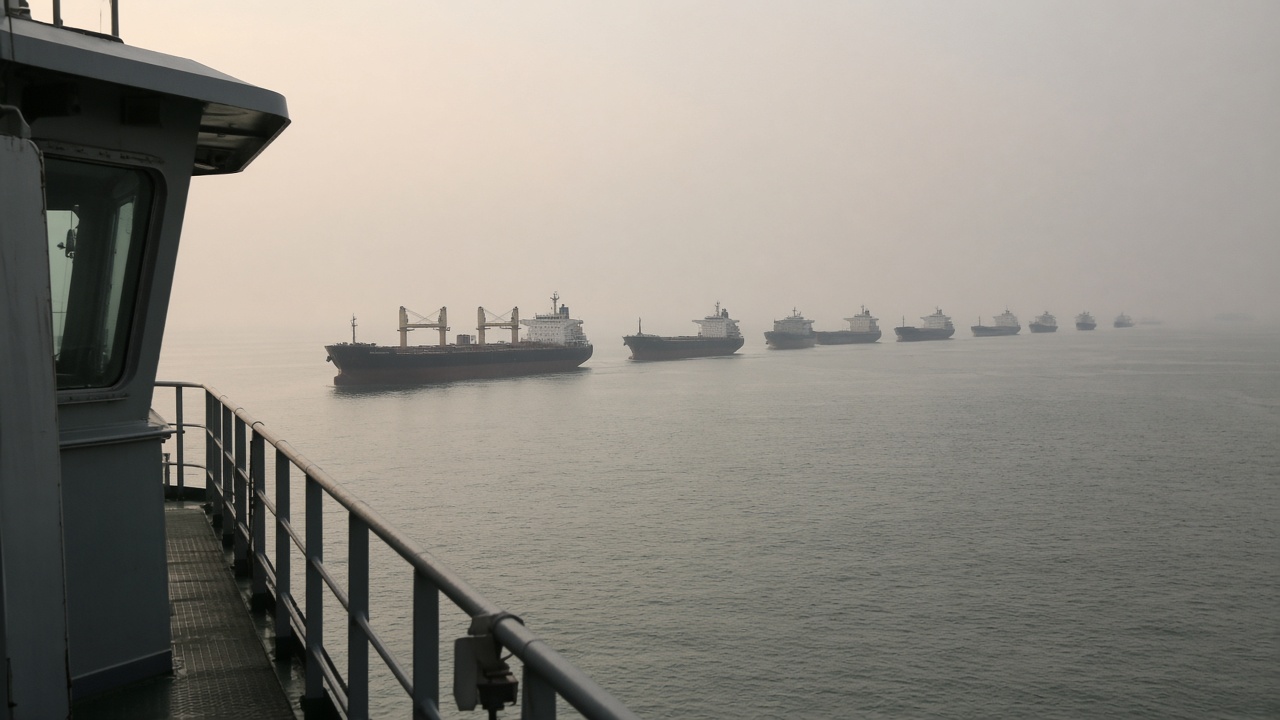
U.S. Central Command says it has redirected 122 commercial vessels to enforce the American blockade of Iran, a tally that puts the maritime campaign's operational scale on the record while diplomatic traffic around the Strait of Hormuz keeps moving.
The figure is CENTCOM's own. It describes ships the command says were turned away for blockade compliance rather than stopped, boarded, or seized, and it does not break out flags, owners, cargoes, or destinations. Until ship-tracking data or a second official source matches the number, 122 stands as a command claim, not a verified count.
What is actually confirmed
One thing is on the record: CENTCOM is publicly counting redirected ships. That is a decision to advertise enforcement volume, and it matters because the count is currently the only metric available for how tightly the blockade is being applied.
What is not confirmed: the nationality of any redirected vessel, whether any were carrying Iranian-origin crude, whether any were boarded, whether any crew were detained, and whether any owner now faces a sanctions finding. No shipping registry, insurer, or port authority has corroborated the total in the material available Saturday.
Who is exposed
The immediate exposure sits with shipowners, charterers, and flag states whose vessels run Gulf routes. A redirection is not a legal finding, but it is an operational signal that underwriters read. Hull and machinery cover, war-risk premiums, and protection-and-indemnity terms for Hormuz transits are typically repriced on exactly this kind of volume, and the repricing usually outlasts the headline.
The legal tail moves slower. Owners redirected for compliance reasons can face charter disputes over delay and deviation. Cargo receivers can face demurrage and contract penalties. Mariners aboard redirected ships carry the schedule risk with none of the commercial upside.
The diplomacy running alongside
Iran's foreign minister, Abbas Araghchi, has offered a plan to reopen the Strait of Hormuz within seven days, according to Al Jazeera's live coverage of the weekend's developments. Reuters, citing a Wall Street Journal report, said President Trump rejected the proposal. France24 carried the same thread.
That is context, not the spine. The enforcement number and the diplomatic track are moving in opposite directions: Tehran is offering a reopening timeline while CENTCOM reports a mounting count of ships pushed away from the corridor. Both can be true at once, and neither resolves the other.
What to watch next
Three markers. First, whether CENTCOM updates or revises the 122 figure — a jump or a restatement would be more informative than the initial number. Second, whether a commercial tracking service or a Gulf port authority publishes a total that matches or contradicts it. Third, whether underwriters move Hormuz transit terms in the coming week; that would be the first independent, financial confirmation that the enforcement tempo is real.
Until then, the count stands as claimed, and the ships it describes remain unidentified.