KATHMANDU — Nepal’s National Disaster Risk Reduction and Management Authority on Saturday listed 1,453 dead and 5,285 missing from the Aug. 26 Bhotekoshi flash floods, a month after the border surge destroyed riverbank settlements, roads and hydropower works along the Nepal-Tibet frontier.
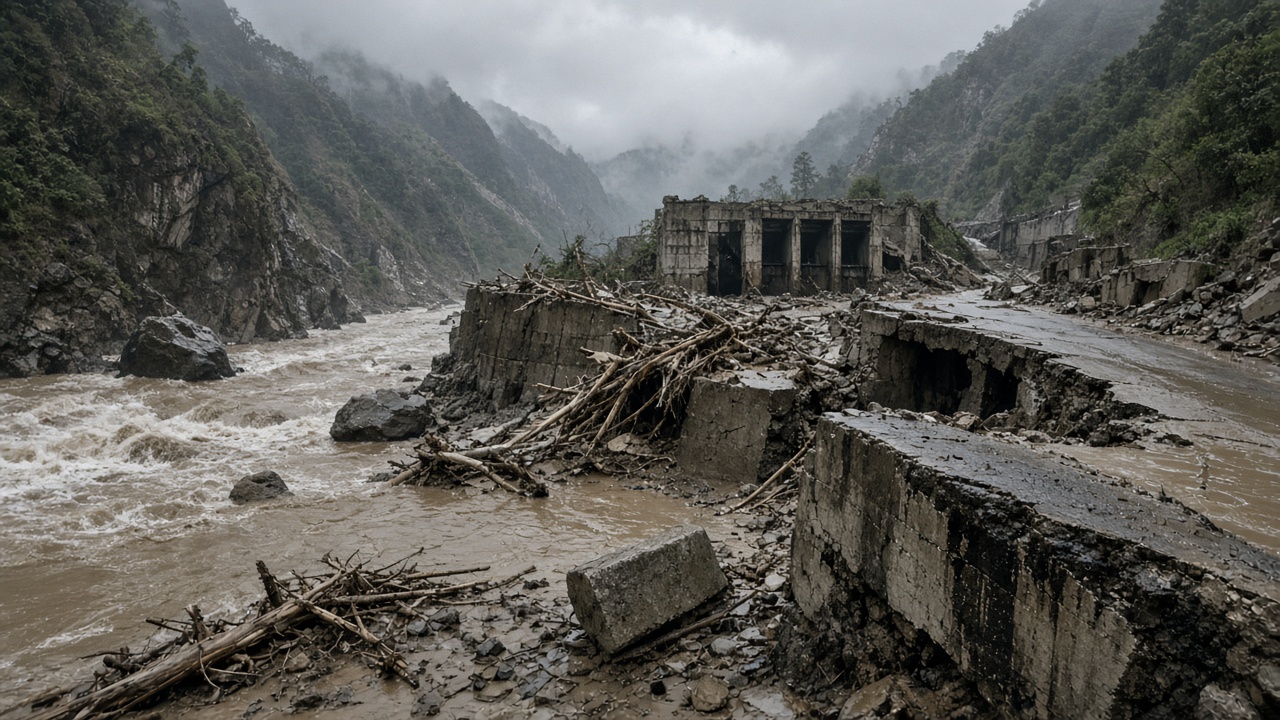
The new NDRRMA update is the clearest official accounting yet of a disaster whose physical trace remains raw: scoured channels, broken intake walls, and debris fans where tributaries meet the Bhotekoshi. The missing count is more than three times the death toll, a figure that reflects both the force of the water and the difficulty of recovering bodies from deep sediment and fast water.
DNA backlog keeps families waiting
Identification has become the slowest part of the response. Remains are being held at 21 holding centres while authorities conduct DNA profiling to match them with relatives. For families from Sindhupalchok and other districts hit by the flood, that means a month of ambiguous grief: not confirmed dead, not found alive.
Officials have not said how many of the 1,453 dead have been formally identified, nor how long the DNA backlog will take to clear. The delay matters beyond paperwork. In Nepal, mourning rites, inheritance, and government relief often depend on a death certificate. Without one, households remain in administrative limbo even as the monsoon season ends.
Hydropower tunnels and the border question
The Bhotekoshi corridor is steep, narrow and heavily engineered. Hydropower projects line the river, and workers were among those caught when the flood hit. The disaster also crossed a border: on the Tibet side of the watershed, Chinese authorities have reported 43 dead and more than 500 missing, according to figures cited in the latest response. The two tolls are not directly comparable, but they describe the same pulse of water moving down from high ground.
Nepal’s government has faced questions about warning time, dam safety, and whether construction camps and intake tunnels were sited with enough regard for extreme flows. The immediate task is still search and recovery. Teams have worked through rain and unstable slopes, but the missing include people who may have been buried in tunnels, swept into the main stem, or carried across the border.
The geography makes the search harder. The Bhotekoshi drains a high, glaciated basin before cutting through narrow gorges in Sindhupalchok. In a flash flood, the water can rise before downstream villages have time to move. Sediment can bury victims metres deep, then shift again in the next rain. That is why DNA profiling, not just recovery, has become central to the official response.
What changes before next monsoon
The measurable change is on the map. The Bhotekoshi has cut new banks in places, deposited gravel over farmland, and damaged the Araniko Highway and feeder roads. Each of those changes affects who can return, what can be rebuilt, and how quickly relief reaches villages upstream. Aid groups say needs are mounting for shelter, food, clean water and psychological support, especially for households that have lost both homes and breadwinners.
The official toll may still rise. NDRRMA’s Saturday figures are a snapshot, not a final count. With 5,285 people missing, every additional DNA match or recovered body reopens the same question for another family: what happened at Bhotekoshi, and what will be done before the next monsoon sends another wall of water down the same valley.