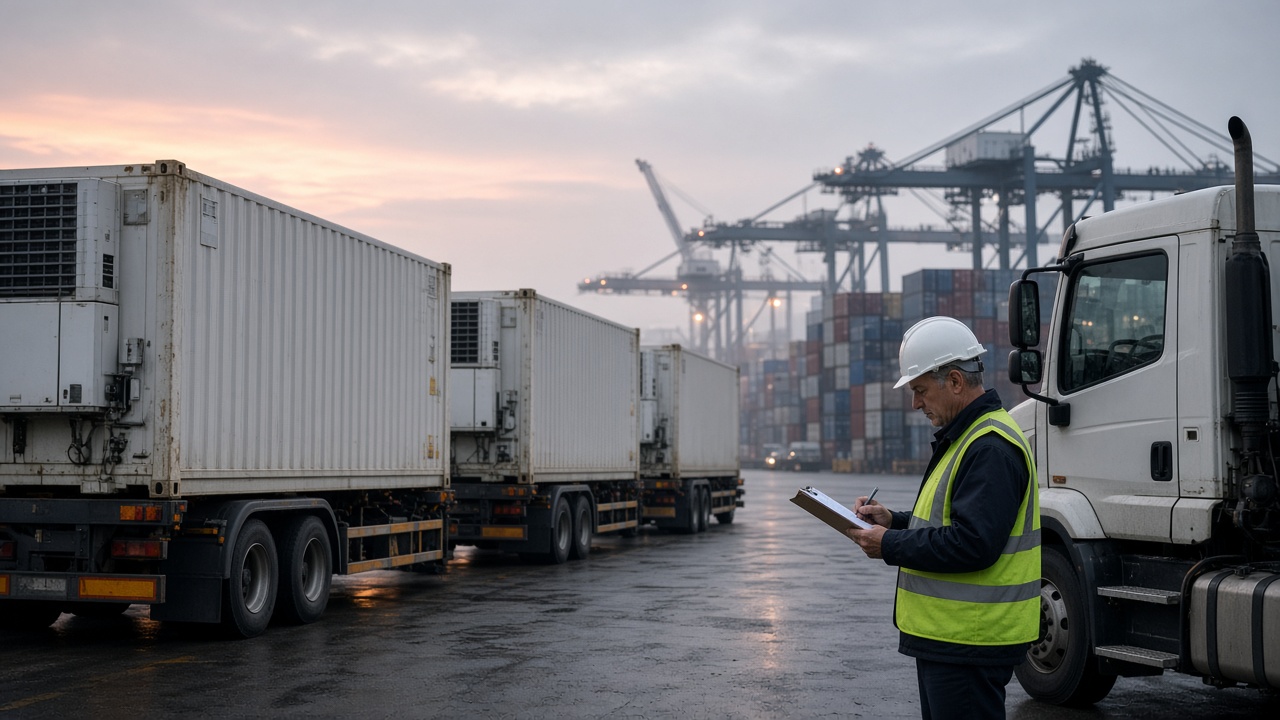
Importers of most patented pharmaceuticals will face a 100% Section 232 duty on covered entries beginning Sept. 29 at 12:01 a.m. ET, according to a Customs and Border Protection bulletin, ending a two-month exemption lane for companies not covered by Annex III.
The procedural trigger is mundane: classification. The duty applies to imported patented drugs and active pharmaceutical ingredients under specified HTS lines. Entries before the deadline can still lock in a zero rate under HTS 9903.04.61. After midnight, the same shipment can carry a tariff equal to its customs value. Generic drugs are exempt.
Who is already paying, who joins the deadline
Annex III firms — the companies that accepted certain terms in the administration's pricing framework — have been in the tariff system since July 31. Everyone else gets the 100% rate beginning Sept. 29. The split is not a vote in Congress; it is an executive-branch schedule tied to Section 232 national security authority over trade. No floor amendment can change the filing code that takes effect at the deadline.
For customs brokers, the calendar is the whole story. They will file entries under the new HTS line, check whether the product qualifies as a generic, and collect declarations about Annex III status. A misclassified API or a missing exemption certificate can turn into a cash-flow problem before the cargo leaves the dock. Customs bonds may need to cover the higher duty. Refunds, if any, come later.
What importers can still do before the deadline
There is a narrow window. CBP says the zero rate under HTS 9903.04.61 remains available through Sept. 28 for companies not in Annex III. That means a shipment that clears before the deadline can avoid the 100% hit. After that, importers either absorb the duty, pass it into the supply chain, or reroute production. None of those choices happens overnight.
The revenue at stake is not trivial. A 100% ad valorem duty doubles the customs value at the border. For a drug with a $10,000 declared value, the duty is $10,000. For an API shipment worth millions, the exposure is immediate. The tariff is paid by the importer of record, not the foreign manufacturer, though contracts determine who ultimately eats it. Hospitals, wholesalers, and pharmacy benefit managers will spend the next weeks reworking purchase orders.
The politics are equally procedural. Section 232 lets the executive branch impose duties after a Commerce Department finding, without a new vote. Congress can hold hearings, pass resolutions of disapproval, or threaten to revisit trade authorities, but those moves rarely land before a filing deadline. The real pressure point is in the exemption process: companies that reach pricing deals with HHS can move into a different lane through January 2029, according to International Business Weekly. That turns tariff relief into a negotiation over drug prices.
Why generics are the hinge
Generics are exempt, which limits the immediate consumer blast radius. Roughly 90% of prescriptions in the U.S. are filled with generic drugs. If the exemption holds, most pharmacy counters will not see an immediate price change. The pressure lands on branded medicines, specialty drugs, and the active ingredients that feed them.
But the supply chain does not respect a clean line. Many generic manufacturers buy APIs and intermediates from the same global factories that serve patented-drug makers. A tariff on patented inputs can raise costs for shared logistics, fill-finish capacity, and quality testing. The exemption may protect the pill at the counter while the cost surfaces elsewhere in the chain.
Patient groups will watch two numbers: the share of prescriptions that remain generic, and the share of branded drugs with no generic substitute. For those patients, the tariff is not an abstraction. It is a question for the pharmacy, the insurer, and the employer plan.
The filing desk
For the trade bar, the deadline is an operational test. CBP's bulletin sets the effective time at 12:01 a.m. ET on Sept. 29. Entries filed at 12:00 a.m. ET fall on the old side; entries filed one minute later face the new rate. Customs brokers will timestamp, classify, and certify. Importers who rely on just-in-time deliveries should expect delays if paperwork is incomplete.
There is also a political test. If exemptions expand, the tariff becomes a pricing lever. If they freeze, the 100% rate becomes a hard cost with few immediate substitutes. Either way, the decision will show up in HTS lines, not in a floor speech.
The next signpost is whether CBP issues additional guidance on Annex III verification and generic certification. Until then, the calendar controls: the deadline is set, and the filing code is the policy.