Hindi cinema's weekend arithmetic opens on Friday and closes on Monday morning, when the first trade numbers that anyone will repeat are published. The Vvaan went into that ledger on September 25: a Sidharth Malhotra and Tamannaah Bhatia release that carries Chhath Puja in its visual grammar instead of the usual haunted bungalow.
On release, the film was read as a folklore thriller working the fault line between faith and atheism — ritual on one side, disbelief on the other, and a story that has to keep both in play. That is the artistic premise. The commercial premise is narrower. A Hindi theatrical release with two recognisable leads has to turn a Friday curiosity into a Sunday house, and a Sunday house into weekday holdover. Every other revenue line is priced off that first weekend.
What the film is actually selling
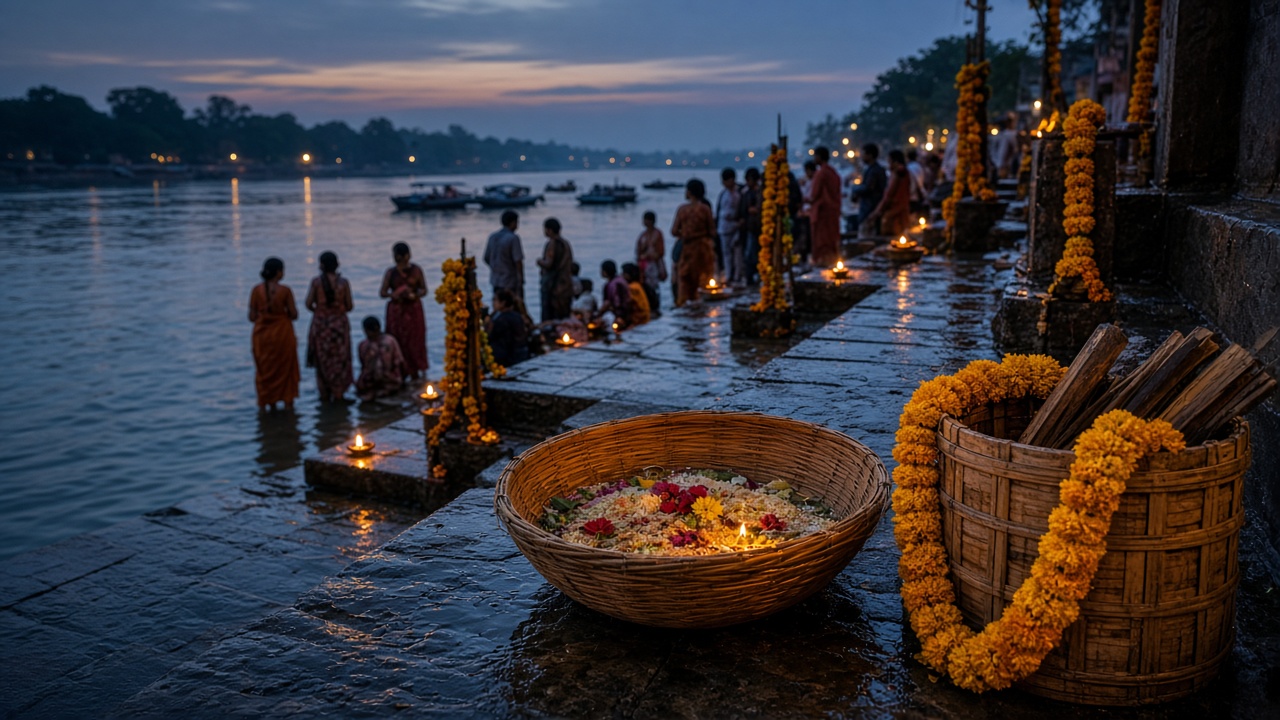
Chhath is not a decorative choice of setting. The festival honours Surya, and its objects — the soop, the daura, the thekua, the river ghat at dusk — carry precise meaning for the households that keep it, and none at all for audiences who have only seen it photographed. A film built on that iconography has to make two different audiences meet in the middle: the one that knows the ritual and will notice every error, and the one that does not and needs a reason to care.
Folk horror has done well in Hindi cinema when it trusts the ritual rather than explains it, and badly when the ritual is reduced to set dressing for jump scares. Which side of that line The Vvaan falls on is now a word-of-mouth question, and word of mouth is the only marketing that moves a Sunday.
The window is the harder problem
Chhath falls in Kartik, usually early-to-mid November — six weeks or more after this release. So the film is selling festival folklore well outside the festival's season, without the ambient heat of lit ghats, homeward trains and family kitchens. That is not fatal, but it is expensive: the recognition a festival release gets for free has to be bought with print, trailer and television spend in a month that already has a crowded Hindi calendar.
The weekend also contains an afternoon that does not belong to cinema. The BCCI's 2026-27 home season opens with the West Indies one-day series starting September 27, and in the Hindi belt a cricket Sunday takes the 3pm-to-7pm band that a family film needs to fill. Sunday's occupancy boards, not Friday's, will decide how the film is spoken about on Monday.
Who paid for the bet
A theatrical release at this scale is not financed by one cheque. It is a producer's equity, a distributor's minimum guarantee, pre-sold digital and satellite rights, and an exhibitor who is paid last and carries the occupancy risk. The recovery order is familiar: theatrical share first, then the streaming licence, then satellite, then music. That order is why opening-weekend language is so blunt inside the industry. The first three days do not merely report the film — they set the price of everything that follows.
The director arriving from Panchayat adds a second kind of scrutiny. A series that built its reputation on patience, small-town texture and conversation now has to prove it can hold a two-hour theatrical thriller with a star at the centre of it. Those are different muscles. The audience that followed the series will give the film its first weekend for free; the second weekend has to be earned.
What the audience got
What is on offer is a familiar, well-funded swing: star vehicle plus regional folklore plus a director with a proven ear for how ordinary people actually speak. The risk is equally familiar — a film that treats Chhath as atmosphere rather than as belief will satisfy neither the faithful nor the sceptics, and the sceptics are the ones who buy Monday tickets.
By Saturday evening, one full day was in the books and one was still open. The Monday number will tell the trade whether The Vvaan has bought itself a second week, and whether the folklore route is worth a second film. Until then, the only honest answer to how it opened is that the weekend is not over.