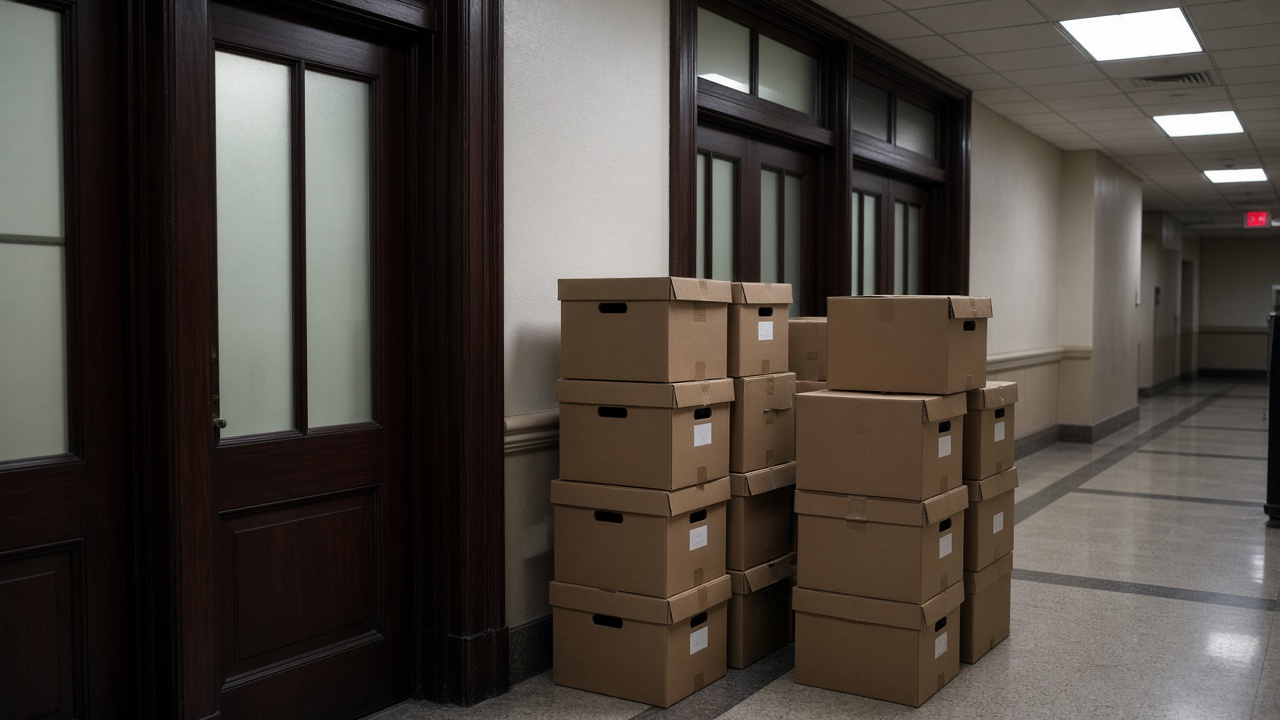
Federal agencies are operating under a continuing resolution that runs through December 11, 2026, after President Donald Trump signed the measure on September 2. The law avoided an October 1 funding lapse that would have furloughed civilian workers and complicated travel during a year that already included a record-long shutdown and a separate Homeland Security funding gap that snarled airport lines in early 2026.
What the CR actually does
The House passed the Senate-amended bill on September 1 by a 370–48 vote, accepting a longer stopgap than the House’s earlier December 4 version. Funding continues at roughly current levels rather than through new appropriations bills; only three of the 12 fiscal 2027 spending measures had cleared the House by late September, and the Senate had not finished any, according to congressional tracking summaries.
The measure also temporarily blocks the Office of Management and Budget from finalizing a proposed rule that would revise federal financial assistance requirements—a provision watchdog groups said could affect grant compliance for universities and nonprofits until the CR expires.
Why federal workers are not relaxing
Travel guides and union newsletters recount three funding disruptions in twelve months totaling 123 days, including TSA screeners working without pay during a 76-day partial Homeland Security shutdown that stretched into spring 2026. The September CR removes the October cliff but not the underlying disagreement over border security spending, disaster aid and White House rescission proposals.
Agency planners are therefore building two budgets: one that assumes another CR extension in December and one that assumes a lapse if election outcomes shift bargaining power on Capitol Hill. OMB typically issues contingency memos weeks before a deadline; contractors should read those notices for stop-work orders on grants.
Wallet effects for civilians
A full shutdown delays passport and visa processing, pauses some IRS customer service and stalls new benefits determinations even when Social Security checks continue. National parks close gates; FDA and USDA inspections slow. None of that is imminent on September 27, but the CR does not fund programs permanently—SNAP and WIC rules still ride on whatever deal replaces the stopgap.
State and local governments that rely on federal pass-through grants should confirm drawdown deadlines. A December lapse would hit holiday travel when TSA staffing fatigue is historically worst after peak summer volumes.
What to watch in Congress
Leadership has signaled that omnibus negotiations may wait until after voters decide control of the House and Senate. Appropriators will use the intervening weeks to trade homeland security dollars against domestic accounts, the same fault line that produced earlier partial closures.
Constituents who depend on federal paychecks or contractor awards should treat December 11 like October 1: a date to pressure representatives now, not a surprise in a lame-duck session. The September signing bought calm through Election Day; it did not solve the fiscal year.
Rescissions and executive-branch moves
White House efforts to cancel congressionally approved spending through pocket rescission remain a wild card separate from the CR text. Court challenges to prior rescission attempts are still moving through the federal judiciary, and agencies may hold obligations in suspense accounts until judges rule. Grant recipients should read award letters for stop-work clauses tied to appropriations availability.
Veterans Affairs medical centers, IRS taxpayer assistance sites and USDA rural development offices all continued normal hours after the September signing, but their public affairs shops are already drafting December contingency FAQs. Saving those pages when they publish beats searching social media rumors during a lapse.
Defense contractors with expiring facility clearances should confirm whether background reinvestigations pause during funding gaps; prior shutdowns delayed thousands of clearance reviews, holding up hiring for classified programs even when uniformed personnel stayed on duty.
Small-business owners who sell to the federal government through GSA schedules should download their contracting officer’s September 2 award modification letters. Those PDFs spell out which task orders remain funded under the CR and which option years require a full appropriation before work can restart.