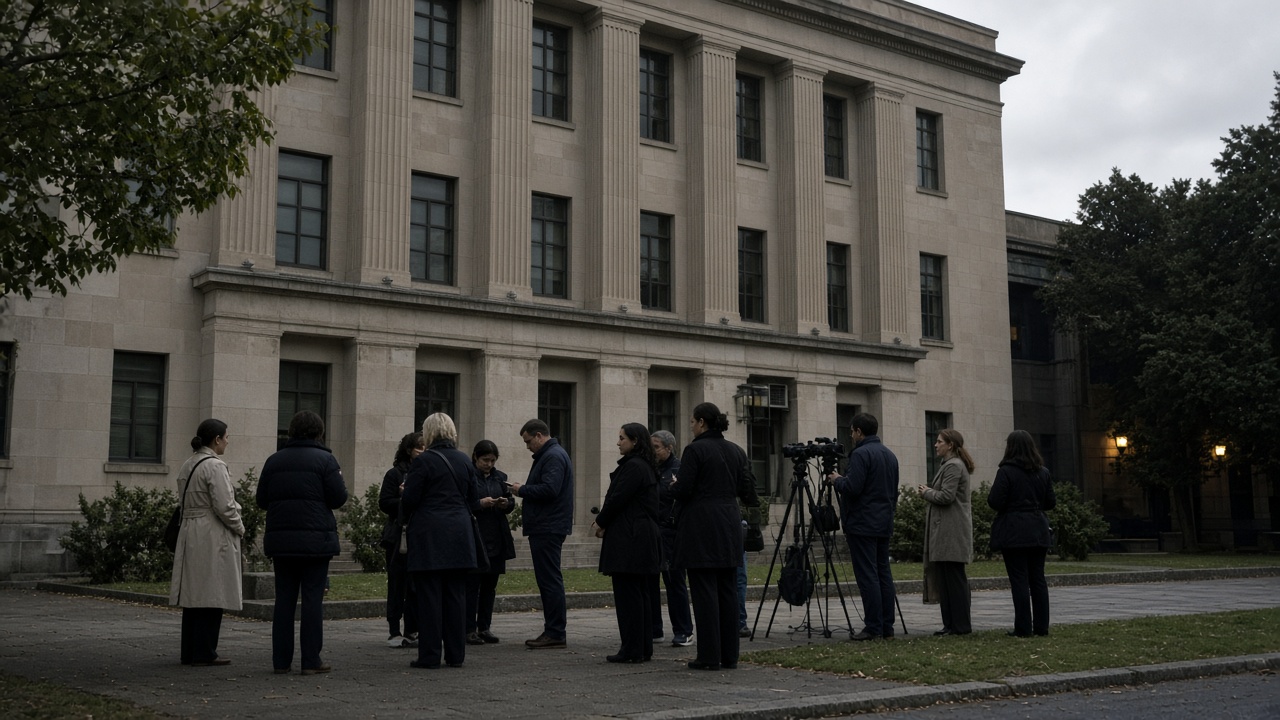
Treasurer Jim Chalmers will release the final budget outcome for 2025–26 on Monday, briefing reporters on a roughly six-billion-dollar improvement in the underlying deficit compared with the May forecast, according to senior government figures quoted by the Sydney Morning Herald.
The update lands at a delicate moment: financial markets overwhelmingly expect the Reserve Bank of Australia to raise the cash rate on Tuesday to 4.6 per cent—its fourth increase this year—as inflation remains sticky and global bond yields climb on Middle East war risk and heavy AI-related borrowing abroad.
What the numbers are expected to show
The underlying deficit—the measure that strips out one-off spending decisions—was forecast at 28.3 billion Australian dollars in May. Government sources told the Herald the final figure should come in about six billion dollars lower, reflecting stronger-than-expected revenue and some underspending on programs.
The headline deficit, which can absorb election-year decisions, is still projected near 60 billion dollars. Last week’s Intergenerational Report warned that without productivity gains, debt and taxes would keep rising over four decades—a backdrop Chalmers’s Labor colleagues will cite when arguing that Tuesday’s rate pain is partly imported from volatile global markets.
Interest costs on Australia’s roughly one-trillion-dollar debt pile are also climbing. The Australian Financial Review reported Saturday that federal interest repayments are on track to exceed Medicare spending, a milestone that will feature in opposition attacks during question time.
Politics before the RBA board
Chalmers faces internal pressure from Queensland caucus members to show households that budget repair is not only about higher rates. Monday’s briefing gives him a chance to bank a “better-than-expected” narrative before the board announces its decision.
Opposition finance spokespeople have countered that any improvement is dwarfed by cumulative deficits since the pandemic. Shadow ministers pointed to Coalition claims of an 83-billion-dollar “black hole” in Labor’s medium-term plans, a figure Treasury officials have disputed in Senate estimates.
Prime Minister Anthony Albanese returned from the United Nations General Assembly on Saturday after highlighting AI security breaches; Monday’s fiscal update shifts the government’s domestic message back to cost-of-living and public debt stewardship.
What markets are pricing
Swap markets imply another quarter-point hike on Tuesday, with a further move early next year if inflation prints stay above the RBA’s band. Major banks’ economists surveyed by Finder overwhelmingly predicted a 4.60 per cent cash rate, adding hundreds of dollars to typical variable mortgage repayments.
ASX futures were thin on Sunday, but bond traders last week bid yields higher after Brent crude spiked on Hormuz shipping disruptions. Chalmers acknowledged last week that higher global yields would force billions more in interest charges even if Canberra’s underlying deficit improves on paper.
Household impact
For mortgage holders who fixed rates during the pandemic and rolled onto variable products this year, Tuesday’s decision could be the fourth hike in a calendar that already included energy bill relief debates in caucus. Renters face pass-through from landlords whose loan costs keep rising.
Monday’s budget outcome will not change Tuesday’s RBA calculus directly—the board focuses on inflation and employment—but a surprise revenue windfall could influence how aggressively Chalmers spends in the mid-year economic and fiscal outlook due later in 2026.
Chalmers’s office confirmed the Monday lock-up timing to Canberra press gallery organizers on Sunday. The treasurer is expected to take questions on whether any windfall will be banked against debt or recycled into targeted relief, a choice that will set the tone for the final parliamentary sitting weeks before the summer recess.