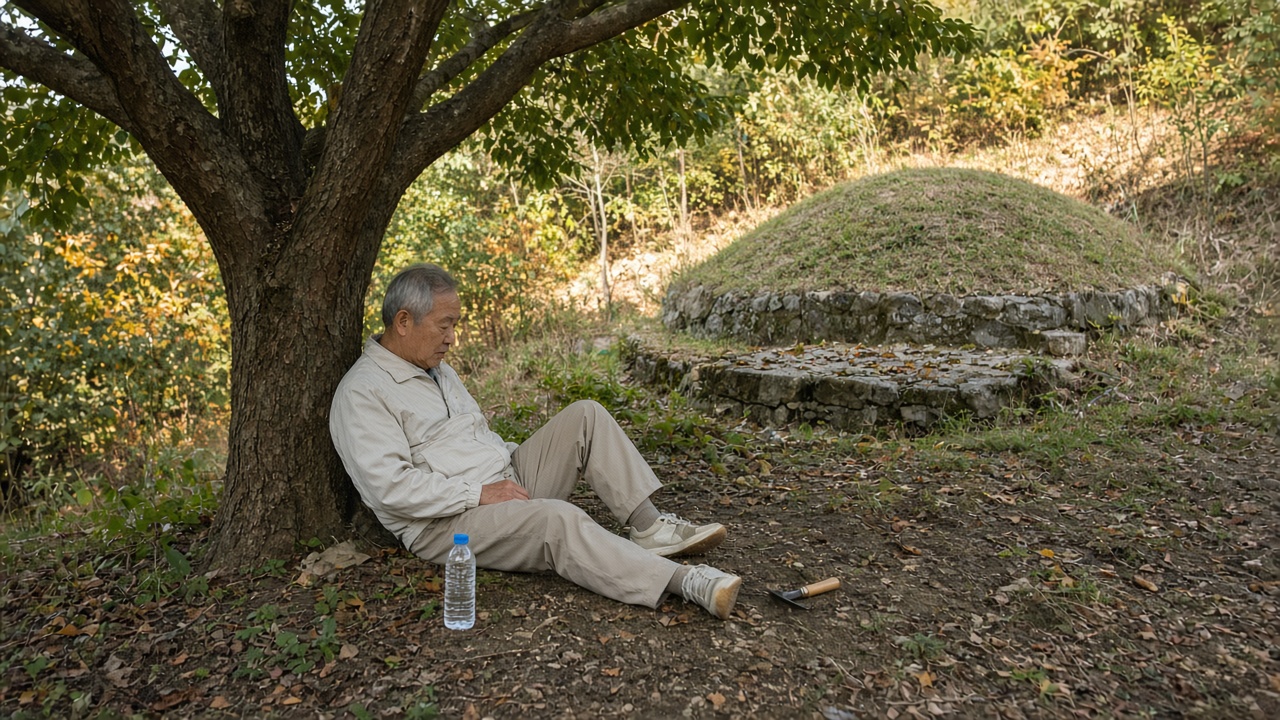
South Korea’s final Chuseok holiday day is bringing families to ancestral graves under warmer-than-expected afternoon conditions, and the Korea Disease Control and Prevention Agency is urging visitors to treat the trip as a heat-risk activity, not just a ritual obligation.
The KDCA advisory, issued as the holiday travel peak returns, highlights a familiar but underrecognized pattern: heat illness can occur in late September when daytime temperatures climb into the mid-20s Celsius and people exert themselves outdoors in formal clothing, often on unshaded hillsides. The agency also warned of a sharp day-night temperature spread — 10°C to 15°C in many areas — that leaves mornings and evenings cool while afternoons feel markedly warm.
Grave visits combine exertion and exposure
Seongmyo and beolcho — visiting and tending ancestral graves — typically involve travel to rural or hillside sites, trimming grass, clearing debris, and carrying supplies. Many participants are older adults, who may have hypertension, diabetes, or kidney disease, and who may take medications that affect sweating and blood pressure. The combination of physical work, sun exposure, and limited access to water or shade can push core temperature up faster than expected.
The KDCA’s standard heat guidance applies: drink water before feeling thirsty, avoid alcohol, wear lightweight light-colored clothing, and schedule heavy outdoor work for early morning or late afternoon. The agency advises taking breaks in shade or air-conditioned spaces and checking on older relatives and neighbors who may not recognize early symptoms.
What heat illness looks like
Early heat exhaustion can present as heavy sweating, weakness, dizziness, headache, nausea, and muscle cramps. If someone becomes confused, stops sweating, or has hot, dry skin, that is a medical emergency. The KDCA and emergency responders advise moving the person to a cool place, loosening clothing, applying cool water, and calling 119 if symptoms are severe or do not improve quickly.
The absolute risk for any one grave visitor remains low. But the risk is not zero, and it is concentrated among people who are older, dehydrated, or doing strenuous work in direct sun. That is the practical frame for a holiday advisory: not a prediction that many people will collapse, but a reminder that a small number of preventable cases can occur when a warm afternoon meets a once-a-year ritual.
Fog on the return drive
The same weather pattern creates a second hazard on the way home. Clear nights and a large day-night temperature difference can produce fog in low-lying areas and near rivers through the early morning. Drivers returning after grave visits should use low-beam headlights, increase following distance, and avoid sudden braking. Fog often patches, so visibility can drop quickly on rural roads and expressway ramps.
Traffic volumes remain high on the final holiday day. The Korea Expressway Corporation and police have been managing return flows, and the combination of fatigue, darkness, and fog raises crash risk. The KDCA’s heat advice and the road-safety advice converge on the same point: build in breaks, hydrate, and do not rush the last leg of the holiday.
What it means for a waiting room
For clinicians and clinic staff, the post-holiday period is a good time to ask about outdoor exertion. A patient returning from a grave visit may mention dizziness or fatigue that seems minor. Asking about duration, sun exposure, fluid intake, and medications can separate simple dehydration from heat exhaustion. In absolute terms, most cases are mild and resolve with rest and fluids. The cases that become serious are often the ones where early symptoms were ignored because the day did not feel like a heatwave.
The KDCA advisory also fits a broader late-September pattern. Chuseok can fall before the first real autumn chill, and afternoon temperatures can still reach levels that require caution. The agency’s message is not to cancel rituals, but to treat them like any other outdoor activity: water, shade, timing, and a watchful eye on the people most at risk.
As families finish the holiday and return to work and school, the health agency’s guidance is likely to be tested in emergency departments and clinics. The evidence from previous heat events is consistent: the most severe outcomes cluster among older adults, people with chronic conditions, and those doing physical work in the heat. A few simple precautions at the grave site and behind the wheel can keep a warm afternoon from becoming a holiday emergency.