What happened
Keio Group is responding to a ransomware incident that disrupted hotel booking systems and credit card payments at some group retail stores, according to Yomiuri Shimbun reporting on Sept. 27. The disruption struck as early as Sept. 26. Keio said its railway operations are on separate systems and remain isolated from the affected network.
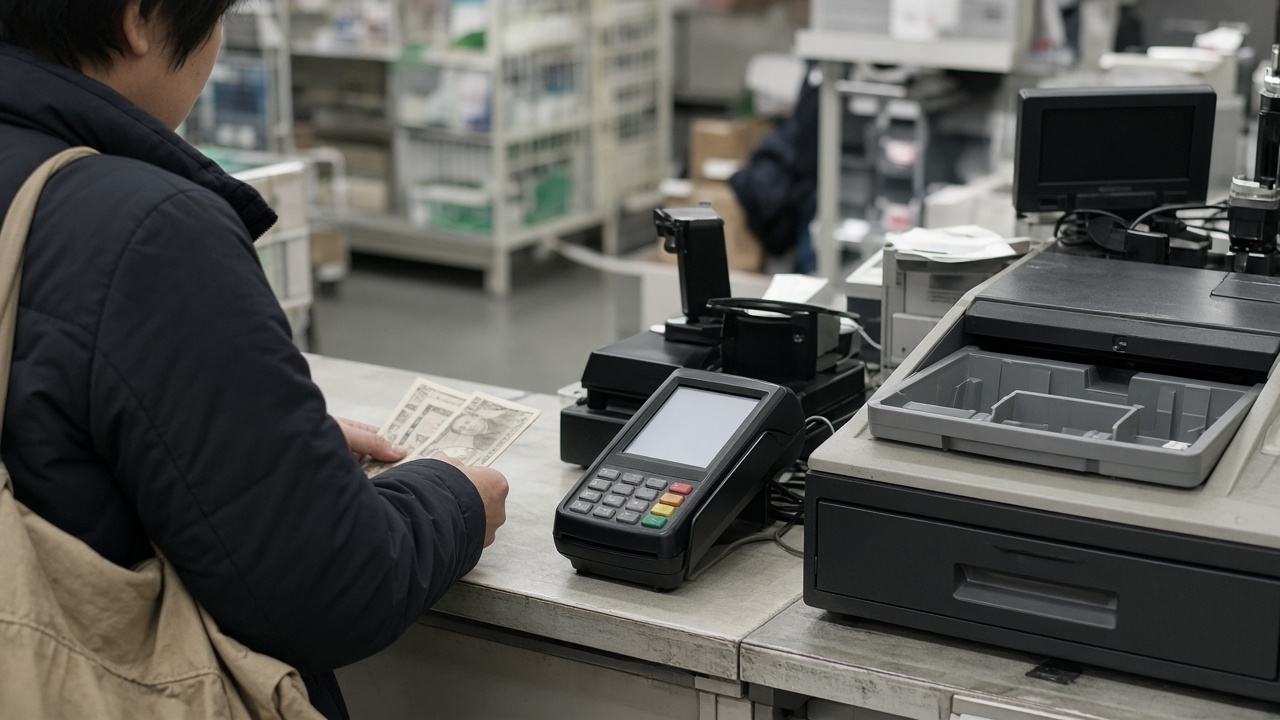
For a local desk, the important split is not only corporate IT versus rail signaling. It is the checkout counter: a shopper reaches the till, the total is rung up, and the card terminal either authorizes the payment or does not. Hotels have a parallel problem: a reservation system that cannot book or retrieve a stay turns a guest’s arrival into a manual process.
The till is where the bill becomes real
Credit cards are not a single product at the point of sale. They are a set of rails: the store’s terminal, the acquirer, the card network, the issuer, and the bank account behind the card. If any link loses connectivity, the customer sees a declined or failed transaction even if the card itself is fine. That distinction matters for households. The problem is not necessarily unpaid debt or a frozen card. It is acceptance: whether the shop can take the card at all.
When card payments are down, cash becomes the obvious fallback. In Japan, cash is still accepted almost everywhere, and many shoppers keep some yen on hand. But the fallback is uneven. A shopper may not carry enough cash for a larger purchase. Withdrawing cash can mean finding an ATM, and depending on the bank and time of day, that can carry a fee. The direct cost of a failed card swipe may be zero; the indirect cost is time, uncertainty, and sometimes a second trip.
Hotels and the booking gap
The hotel side is different but connected. A booking system carries reservations, room rates, guest details, and check-in records. When it goes down, staff may switch to manual lists and direct communication. For travelers, the risk is not a declined card at the gift shop but an arrival that cannot be matched to a reservation. The incident therefore touches both high-value travel spending and small retail purchases under the same corporate umbrella.
What Keio has said
Keio’s public line is separation. The company says rail operations are isolated, a message aimed at commuters who depend on trains every day. That claim is important because Keio Group is known first as a railway operator, and a rail shutdown would be a much broader civic disruption. The reported retail and hotel impact is narrower but still material for households: it affects where they can pay and how they can complete a booking.
The company has not described the full scope of the retail card outage, including which stores, how many terminals, or whether all locations can fall back to cash. The report did not name a suspect or ransomware group. Those gaps matter for shoppers because the practical question is simple: if I go to a Keio-affiliated store today, can I use my card, or should I bring cash?
Why card rails matter to the household budget
In Japan, a credit card is often a budgeting tool as much as a payment method. It concentrates monthly spending into one statement, provides a grace period before payment, and can earn points. When those rails fail at the till, the household loses the float and the record. Cash spending is immediate and harder to track. That does not create a new fee, but it can shift the timing of when money leaves the account.
For cardholders, the issuer still matters. If a transaction cannot be authorized because the merchant’s system is down, the cardholder generally should not see a charge. But unresolved pending authorizations or double attempts can create temporary confusion on a statement. The best defense is to keep receipts and check the next statement, especially if a payment was attempted more than once.
What to watch next
The next signals are operational. Keio needs to restore card acceptance at affected retail stores and bring hotel booking systems back online. Shoppers need clear signs at entrances or registers if cash-only rules apply. And the company needs to explain whether the railway isolation held because of architecture or because the attackers did not target it.
For now, the household takeaway is narrow but useful: a ransomware story can reach the register. If a Keio-affiliated store cannot take cards, cash may be the only route—until the rails come back. The yen cost may not change. The payment habit might, at least for a day.