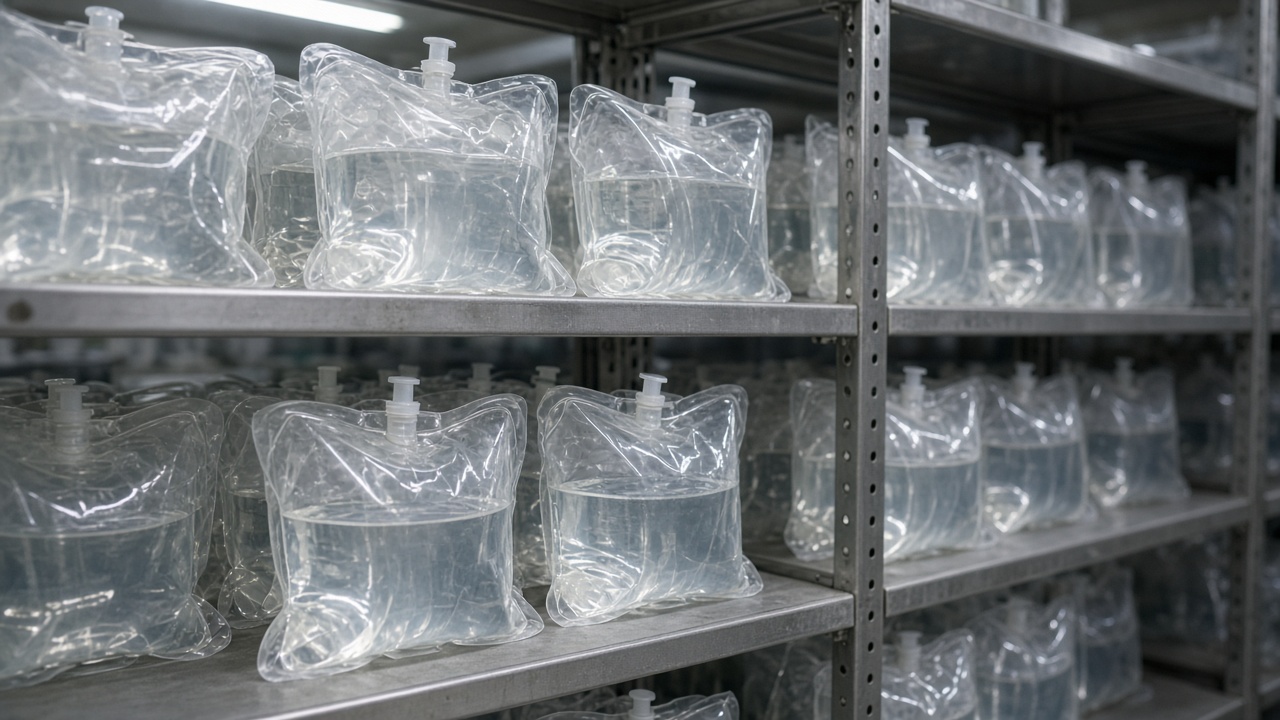
Otsuka ICU Medical LLC is recalling a single lot of 0.9% sodium chloride injection after a hospital reported finding a 10 mEq potassium chloride bag inside an overwrap labeled for saline. The voluntary nationwide recall, posted by the Food and Drug Administration on September 21, covers lot 1042188 distributed in the United States between December 30, 2025 and June 22, 2026.
Why the wrong bag is dangerous
Saline flushes and maintenance fluids are among the most common IV products in hospitals. Potassium chloride concentrate is used when clinicians intentionally replace electrolytes, but the wrong concentration in the wrong patient can trigger cardiac arrhythmias, paralysis or death. FDA’s notice lists premature infants, patients on chronic parenteral nutrition, people with renal failure and anyone on potassium-sparing diuretics as especially vulnerable.
The company said the inner bag bore its own potassium label even when the outer overwrap said sodium chloride; the failure mode is mislabeling at the packaging layer, not silent substitution of identical-looking fluids. Otsuka reported no adverse events as of the recall announcement, but the agency classifies the issue as a reasonable probability of serious harm if administered.
Hospital and home-infusion actions
Wholesalers and hospital pharmacies should quarantine inventory immediately and follow Otsuka’s return instructions. Nurses scanning barcodes at the bedside should visually inspect overwraps when administering lot 1042188 even if electronic medical records show saline ordered.
Patients on home infusion should call their provider if supplies include the affected lot number printed on the carton. Do not stop prescribed fluids without medical guidance, but do not infuse any bag from lot 1042188 until a pharmacist confirms replacement product.
Broader IV safety context
The recall arrives the same month Par Health pulled two lots of dexmedetomidine sedation bags for particulate matter, another hospital-only alert. Together they show why Joint Commission audits focus on receiving docks and pharmacy clean rooms, not just bedside practice.
Consumers rarely choose IV lot numbers, but anyone admitted for surgery this week can ask whether the facility received FDA recall notices through its group purchasing organization. The answer should be immediate; delay suggests a gap in the pharmacy communication chain.
Reporting problems
Clinicians who believe a medication error occurred should document the lot number, stop the infusion and file a MedWatch report with FDA. Patients and families can also submit MedWatch forms online if a provider does not.
Otsuka’s customer complaint triggered this recall; vigilance at the bedside remains the last line when packaging errors slip through automated checks.
FDA’s recall database lists distribution dates through June 2026, meaning some bags may still sit in secondary warehouses. Facilities that automate replenishment without lot-level tracking should run a manual inventory sweep this week rather than relying on wholesale recall notices alone.