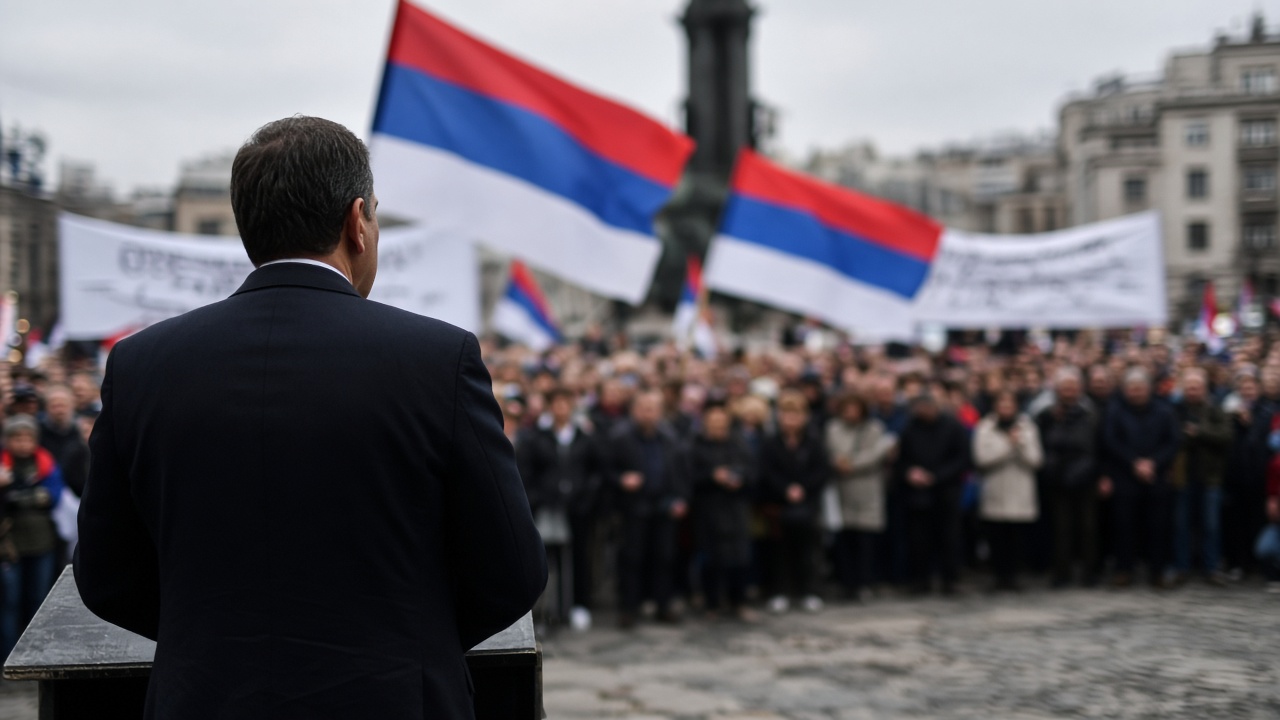
Serbian President Aleksandar Vucic announced his resignation on Sunday, clearing the way to run for prime minister in snap parliamentary elections set for October 25 after nearly two years of street pressure over corruption and the deadly collapse of a railway-station canopy in Novi Sad.
Speaking in Belgrade, Vucic said he would formally step down on Monday morning and transfer presidential duties to Ana Brnabic, the parliament speaker who becomes acting head of state under Serbia's constitution. He said he would head the electoral list of his Serbian Progressive Party and seek the premiership rather than finish a presidential term that was not due to end until 2027.
From station tragedy to ballot box
The political crisis traces to November 2024, when a concrete canopy at Novi Sad's renovated railway station fell, killing 16 people. Protesters blamed graft in public contracts and demanded accountability from officials tied to the rebuild. Weekly demonstrations grew into one of the largest sustained movements in Serbia since the fall of Slobodan Milosevic, at times drawing crowds Vucic's opponents said numbered in the hundreds of thousands.
What began as calls for a transparent investigation widened into demands for early elections. Vucic had promised a vote without fixing a date; earlier this month he called the October 25 ballot, citing what he described as turbulence on the domestic scene. Sunday's resignation is his attempt to keep control of the executive by shifting to a post with day-to-day governing power while Brnabic holds the presidency on an interim basis.
What the constitution allows
Serbia separates the largely ceremonial presidency from the government led by the prime minister. Vucic, first elected president in 2017 and re-elected in 2022, argued that the law did not require him to remain in the presidency through the campaign. Under the rules Brnabic cited in public comments, an acting president serves for up to three months while a new presidential election is organized if the office is vacated.
Opposition groups have questioned whether the move is a genuine concession or a maneuver to keep the Progressives in charge while protesters are still on the streets. European Union officials have watched the unrest closely because Serbia is a candidate for membership and because Vucic has balanced ties with Brussels against a close relationship with Moscow. The station disaster and the police response to demonstrations have featured in recent European Parliament debates on rule-of-law standards in the Balkans.
What happens next
Party nominations close in the coming days, and campaigning will test whether the student-led movement can translate street energy into parliamentary seats. Vucic's critics say the Progressives still dominate state media and local administrations; his allies counter that only an election can settle who governs.
Brnabic is expected to receive the presidential file on Monday. Until the October vote, Western diplomats will press for calm around rallies and for investigators to publish findings on the Novi Sad contract chain. For Vucic, the resignation is a bet that voters will reward continuity; for his opponents, it is the opening they insisted a snap ballot would provide.