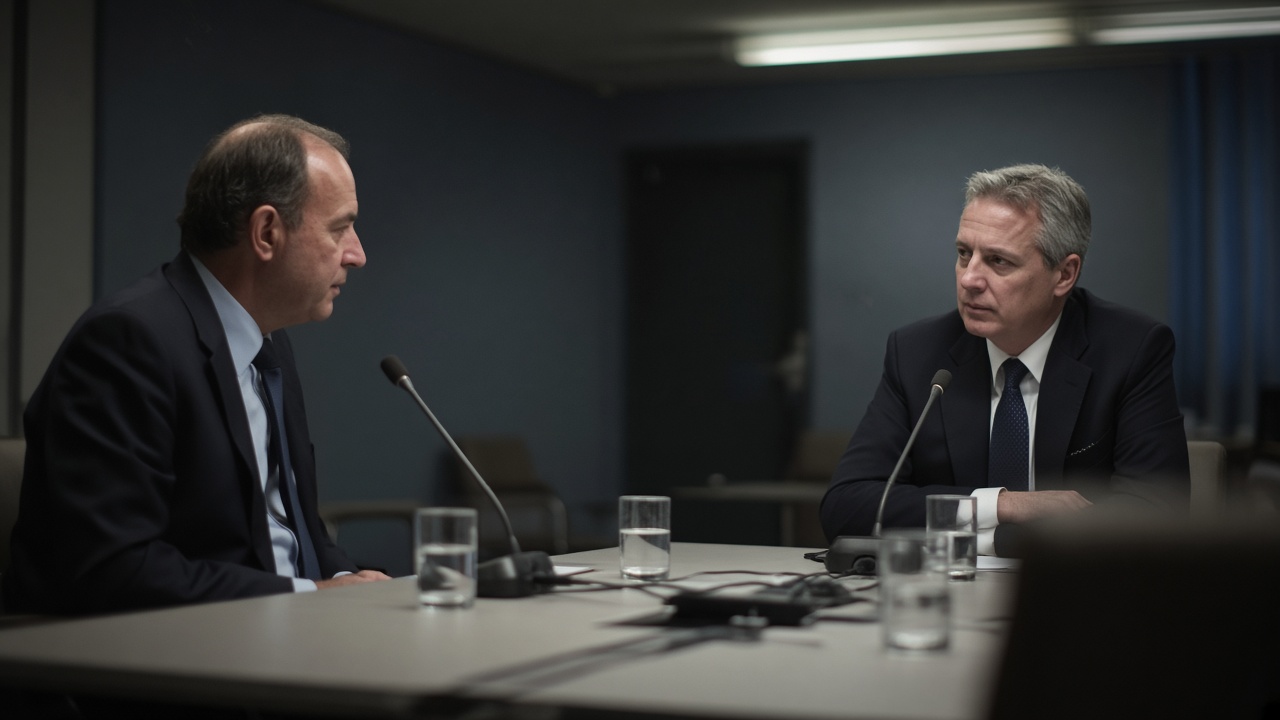
Russian Foreign Ministry spokeswoman Maria Zakharova said Berlin initiated a Saturday sideline meeting between Foreign Minister Johann Wadephul and Sergey Lavrov at the United Nations General Assembly, the first such contact since Russia’s full-scale invasion of Ukraine in 2022. The session, held before Lavrov’s address to world leaders, landed amid renewed disputes over drone incursions in Europe and stalled efforts to reopen Black Sea grain routes.
What Berlin asked for
German officials said Wadephul urged Lavrov to abandon what he called a “dangerous path of escalation” toward Germany, wider Europe and NATO. A delegation source told Reuters that Wadephul also pressed Moscow to “do everything possible” to reach an agreement on grain exports through the Black Sea, where attacks on vessels and port infrastructure have throttled Ukrainian and Russian shipments alike.
Relations between Berlin and Moscow have been frozen since 2022 and worsened after Germany said a drone incident at Leipzig airport in eastern Germany last month originated with Russia. Moscow denies involvement and has called the Leipzig case fabricated in public statements. European capitals have linked Russia to a string of drone sightings near airports, military bases and critical infrastructure over the past year, claims Russian officials reject in briefings.
Lavrov’s public dismissal
In his UN speech on Saturday, Lavrov cast Germany as Kyiv’s “main sponsor” and questioned whether Berlin understood the risks of seeking a leading military role in Europe. Afterward he told reporters the conversation added little beyond what Wadephul had already published in official statements.
“I told him that frankly … you could just have called me and said: ‘Read my statement,’” Lavrov said, according to accounts from the news conference. He said Russia was discussing separate proposals with India, Egypt and Turkiye to secure navigation in the Black Sea, but insisted any talks with Ukraine should proceed as “demands,” not requests, and blamed Kyiv for attacks on shipping.
Allies notified after the room emptied
Wadephul informed European partners about the meeting afterward, a message seen by Reuters shows. He wrote that he reiterated Germany’s position on Russia’s war of aggression and called for an immediate, complete ceasefire with priority for grain exports and energy infrastructure.
Zakharova’s confirmation that Germany requested the session matters procedurally: it signals Berlin still sees direct channels as useful even while publicly condemning Moscow’s conduct. Whether that produces movement on grain corridors or the Leipzig investigation is another question. Ukrainian officials have said they remain open to agreements but hold Russia responsible for the war’s fallout.
What happens next
Diplomats at the General Assembly continue parallel efforts on Black Sea shipping and energy exports, even as battlefield pressure and sanctions regimes stay in place. German officials gave no timeline for follow-up talks with Lavrov. For now, the New York meeting stands as a rare, tightly scripted encounter — requested by Berlin, dismissed in tone by Moscow, and watched by allies who learned about it only after the fact.