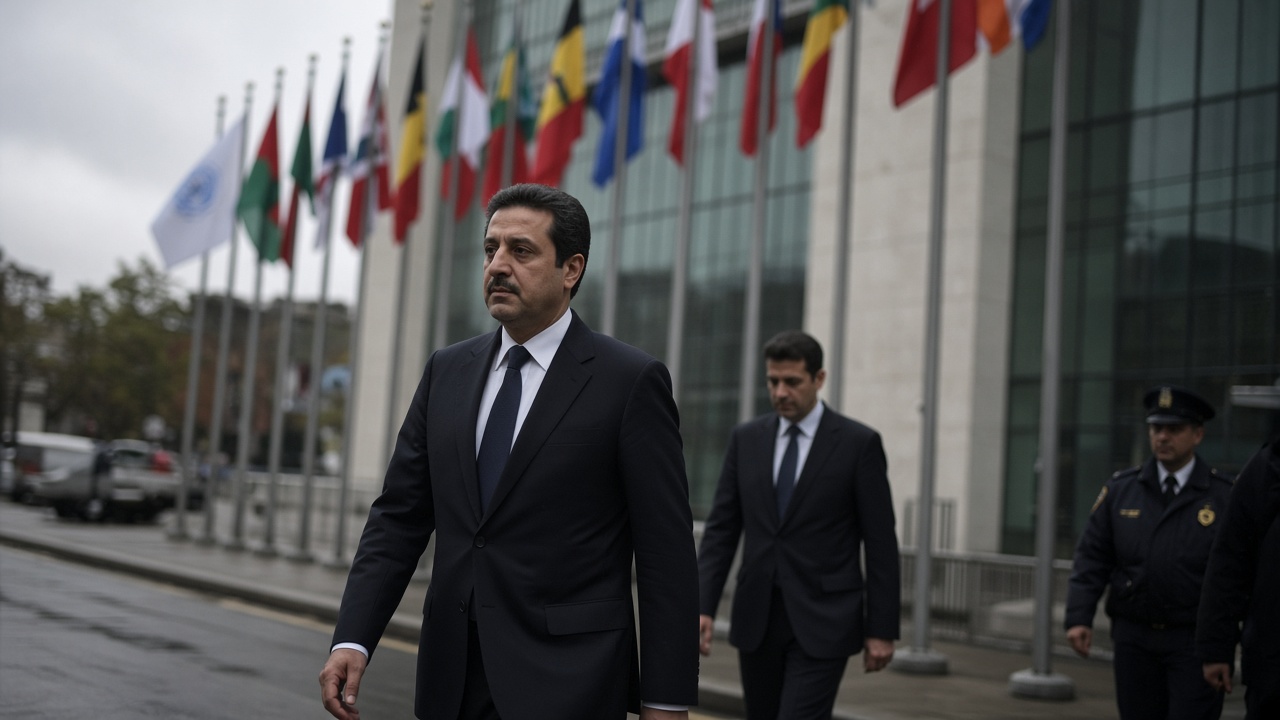
Iranian Foreign Minister Abbas Araghchi said Monday that his government held another round of indirect contact with the United States through Qatari mediators in New York and expects Washington’s written response by Tuesday, even as President Donald Trump publicly dismissed Tehran’s most recent ceasefire package and denied offering sanctions relief.
What changed this week
The exchange caps a tense stretch after Trump told reporters Saturday that he had rejected Iran’s seven-day plan to reopen the Strait of Hormuz, arguing Tehran was desperate for a quick deal because of economic pressure from the seven-month war. On Sunday he told Axios he still anticipated further US engagement this week, and on Monday he confirmed that US negotiators spoke with Iranian officials through intermediaries the same day.
Araghchi, speaking to Iranian media and in comments carried by regional outlets, said mediators had not formally conveyed a US rejection of the proposal Tehran floated on the sidelines of the UN General Assembly. He added that Iran is waiting for a definitive American position before deciding its next steps, with Tuesday framed as the earliest window for an answer.
Behind the public rejections
Three regional officials and a senior US official told The Associated Press that work on a revised package continued despite Trump’s rhetoric, with mediators exploring sequenced steps that could pair a partial reopening of Hormuz shipping with easing the US blockade of Iranian ports and later sanctions adjustments. None of those officials spoke on the record, and the White House has not published a counterproposal.
Trump also pushed back Monday against reporting that his administration had offered Iran access to frozen funds or broad sanctions relief, calling the story a hoax on social media. Araghchi’s office had not endorsed that account; the dispute underscored how sensitive any financial concession has become with US midterm elections five weeks away and Brent crude trading above $106 a barrel after hopes for a quick deal faded.
What Tehran and Washington still want
US officials have told partners that any durable agreement must address Iran’s nuclear program and provide security guarantees for Gulf allies, not only a shipping corridor. Iranian officials briefing reporters in New York last week repeated demands for an end to fighting on all fronts, including Lebanon, and relief from oil sanctions that have constrained exports since the US-Israeli campaign began in late February.
A separate front has complicated the calculus. Iran-backed Houthi forces in Yemen have expanded pressure on the Bab el-Mandeb Strait, adding a second choke point beyond Hormuz and keeping insurers and tanker owners on edge. Pakistan and Qatar remain the primary messengers between Washington and Tehran after direct talks failed to hold in April and June ceasefires collapsed within days.
What happens next
Araghchi said Iran remains willing to work through mediators but has no plans for direct negotiations with US envoys while strikes continue. European capitals monitoring the file expect either a US counter-text by midweek or another public deadlock that leaves Hormuz largely closed and forces importers to keep drawing down strategic stocks.
For Trump, the political clock is as loud as the military one. Higher fuel prices have become a midterm liability, yet any deal that looks soft on nuclear limits would draw immediate fire from congressional Republicans and Gulf partners. Tuesday’s expected US reply will show whether the mediation track still has momentum or whether both sides are again preparing to weather another month of attrition.