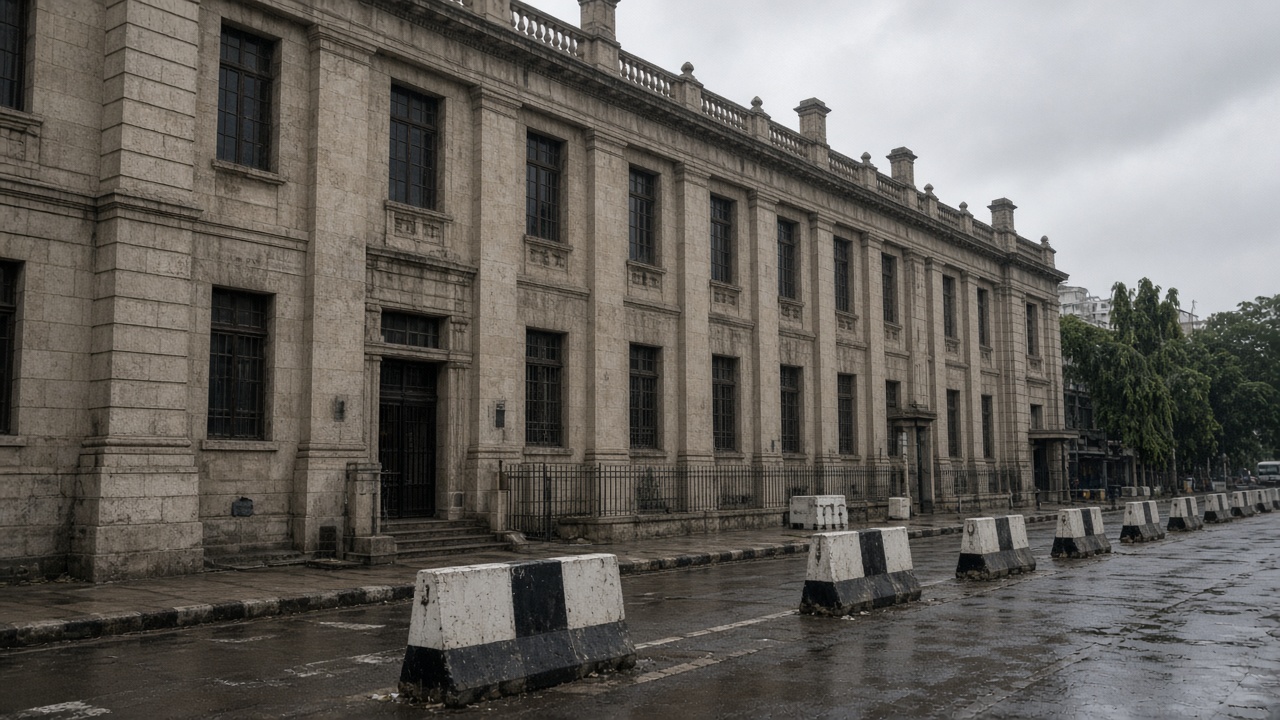
State-run and private banks began nudging variable-rate deposit coupons higher on Monday after the banking system's liquidity surplus slipped below ₹5 lakh crore, a level economists tie to the Reserve Bank of India's recent mix of variable-rate reverse-repo auctions, open-market sales and foreign-exchange interventions.
Why surpluses matter for household rates
When surplus cash pools shrink, banks compete harder for retail and corporate deposits. That competition shows up first in shorter-tenor certificates and in "smart" savings products whose advertised yields move with the overnight call rate. Several large lenders updated internal rate cards over the weekend, according to treasury officials who spoke on background because they are not authorised to discuss pricing publicly.
DBS Bank economist Radhika Rao wrote in a note circulated Sunday that sustained absorption operations, tax outflows and dollar sales have tightened liquidity sharply, improving monetary transmission even before any change in the policy repo rate. HSBC's Pranjul Bhandari reiterated expectations of two 25-basis-point hikes at the October and December meetings, which would lift the repo rate from 5.25 per cent toward 5.75 per cent if the committee follows that path.
What the Reserve Bank has already done
Governor Sanjay Malhotra left the repo rate unchanged at 5.25 per cent in August while keeping a neutral stance, but the operational desk continued draining excess cash through VRRR auctions and bond sales. The August policy statement projected real gross domestic product growth at 6.7 per cent for 2026-27 while marking consumer price inflation at 5.0 per cent for the fiscal year, with food and fuel pressures cited after June's 4.4 per cent headline print.
Commercial bankers say the weighted average call rate has hugged the corridor more tightly in September, a sign that surplus cash is no longer large enough to mute pass-through. That alignment matters for floating-rate home loans tied to external benchmarks and for corporate overdrafts reset quarterly.
Deposit desks react ahead of festivals
With Navratri and Diwali spending ahead, retail heads at two Mumbai-based lenders said they would rather pay a few basis points more on bulk deposits than run short of stable funding before quarter-end. Public-sector banks, which carry heavier government security portfolios, are particularly sensitive because mark-to-market swings on bonds interact with liquidity buffers.
Mutual-fund houses report steady inflows into short-duration debt schemes, suggesting some household cash is migrating toward market-linked products when bank coupons lag call-money yields. Fixed-deposit brokers in Bengaluru and Pune said customers are asking for clarity on whether upcoming festival "special" tenors will be linked to floating benchmarks or locked rates.
Inflation and oil remain the backdrop
Commentary from The Hindu BusinessLine on 25 September flagged Brent crude averaging near $101 a barrel in September versus $85 in the prior three months, alongside monsoon concerns that could feed food inflation. Those inputs keep alive the debate about whether the October 5–7 meeting becomes the start of a shallow hiking cycle rather than a pause.
Corporate treasurers say they are lengthening hedge cover on import payables while keeping rupee borrowings short, betting that any policy move will be accompanied by continued liquidity absorption rather than a one-off rate shock. Exporters with dollar receivables are watching the mid-95 handle on the rupee cited in recent research notes, aware that intervention itself drains local liquidity.
What to watch before the October meeting
The Reserve Bank publishes minutes from the August meeting on its website schedule, and traders will parse any dissent or risk language around food and fuel. Bankers expect more VRRR auction calendars and possible open-market operation announcements before the policy week.
For savers, the practical question is whether posted deposit rates on banking apps will move independently of the policy decision. Monday's coupon tweaks suggest many institutions already think the answer is yes.